Hard Shell PCR Plates: Premium Quality Laboratory Consumables for Precise Molecular Biology Applications

Get a Free Quote

Our representative will contact you soon.
Email
Name
Company Name
Message
0/1000

hard shell pcr plates

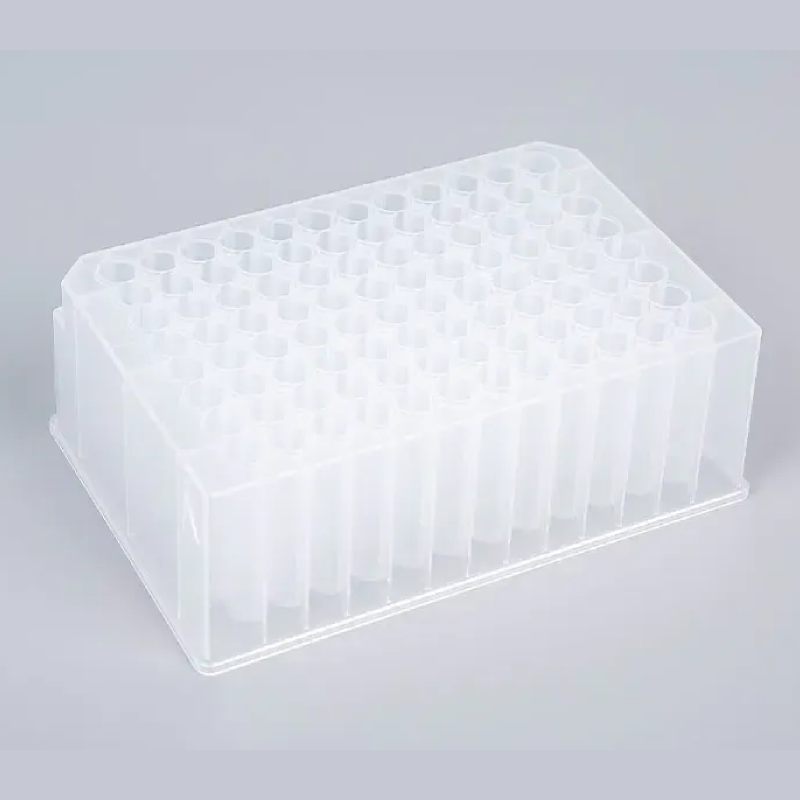
Hard shell PCR plates represent a crucial advancement in molecular biology and genetic research applications. These robust laboratory consumables are specifically engineered to withstand the demanding conditions of polymerase chain reaction (PCR) processes. Manufactured from high-grade polypropylene, these plates feature rigid walls and precise well geometries that ensure optimal thermal conductivity and sample integrity. The plates typically contain 96 or 384 wells, each designed with thin-wall construction to facilitate rapid temperature changes during thermal cycling. Their hard shell design provides exceptional mechanical stability, preventing warping and deformation during thermal cycling processes. The plates are compatible with most thermal cyclers and automated systems, featuring standardized dimensions for seamless integration into laboratory workflows. Advanced surface treatments ensure minimal DNA binding and protein absorption, while the raised well rims help prevent cross-contamination and facilitate proper sealing. The plates are certified DNase, RNase, and pyrogen-free, making them ideal for sensitive molecular biology applications. They support various sealing options, including heat sealing, adhesive seals, and cap strips, providing flexibility in sample storage and handling.

Popular Products

Hard shell PCR plates offer numerous compelling advantages that make them indispensable in modern laboratory settings. The primary benefit lies in their superior structural integrity, which maintains plate flatness and well alignment throughout multiple thermal cycles. This stability is crucial for automated handling systems and ensures consistent sample volumes and reactions. The plates' optimized thermal transfer properties enable faster ramping rates and more uniform temperature distribution, resulting in improved PCR efficiency and reproducibility. Users benefit from reduced cycle times and more consistent results across all wells. The plates' compatibility with various sealing options provides flexibility in experimental design and storage conditions. The raised well rims effectively prevent cross-contamination and allow for single-well access when using cap strips. The plates' chemical resistance ensures compatibility with common laboratory reagents and cleaning protocols. Their standardized footprint ensures compatibility with most thermal cyclers and automated liquid handling systems, facilitating seamless integration into existing workflows. The clear well bottoms enable visual inspection of samples and compatibility with imaging systems. The plates' DNase, RNase, and pyrogen-free certification provides confidence in sample integrity and experimental results. Cost-effectiveness is achieved through reduced sample loss, improved reaction efficiency, and durability that withstands multiple uses. The plates' design also minimizes evaporation during thermal cycling, ensuring consistent reaction volumes and reliable results.

Practical Tips

How Cryotubes Protect Samples In Ultra-Low Temperature Storage

28

Oct

How Cryotubes Protect Samples In Ultra-Low Temperature Storage

Understanding the Critical Role of Cryogenic Sample Storage In modern biological and medical research, the preservation of valuable samples at ultra-low temperatures is paramount to maintaining their integrity and viability. Cryotubes have emerged as...
View More
Why Cryotubes Are Widely Used In Stem Cell And Tissue Preservation

28

Oct

Why Cryotubes Are Widely Used In Stem Cell And Tissue Preservation

The Evolution of Biological Sample Storage in Modern Science In the rapidly advancing field of biological research and medical science, the preservation of valuable samples has become increasingly crucial. Cryotubes have emerged as the gold standard ...
View More
Trends In Cryotube Design Improving Laboratory Efficiency

28

Oct

Trends In Cryotube Design Improving Laboratory Efficiency

Evolution of Modern Cryopreservation Technology The landscape of laboratory efficiency has been revolutionized by advances in cryotube design, fundamentally transforming how researchers and clinicians preserve biological materials. Modern cryopreserv...
View More
What To Look For When Purchasing Sterile Pipette Tips In Bulk

28

Oct

What To Look For When Purchasing Sterile Pipette Tips In Bulk

Essential Guidelines for Bulk Sterile Pipette Tip Procurement Laboratory professionals understand that sterile pipette tips are fundamental tools for accurate and contamination-free liquid handling. When purchasing these essential supplies in bulk, m...
View More

Get a Free Quote

Our representative will contact you soon.
Email
Name
Company Name
Message
0/1000

hard shell pcr plates

Superior Thermal Performance and Stability

Superior Thermal Performance and Stability

Hard shell PCR plates excel in thermal conductivity and stability, featuring precisely engineered thin-wall construction that ensures rapid and uniform heat transfer during thermal cycling. The plates maintain their structural integrity even under extreme temperature variations, from 4°C to 99°C, preventing warping or deformation that could compromise experimental results. This thermal stability is achieved through advanced polypropylene formulation and manufacturing processes that create consistent wall thickness and well geometry. The plates' superior heat transfer characteristics enable faster ramping rates, reducing overall cycling times while maintaining temperature uniformity across all wells. This thermal precision is crucial for achieving reliable and reproducible PCR results, particularly in high-throughput applications where consistency across multiple samples is essential.
Enhanced Contamination Prevention

Enhanced Contamination Prevention

The innovative design of hard shell PCR plates incorporates several features specifically aimed at preventing sample contamination. The raised well rims create a superior sealing surface that ensures a tight seal with various closure options, including heat seals, adhesive films, and cap strips. This design element significantly reduces the risk of cross-contamination between wells and sample evaporation during thermal cycling. The plates undergo rigorous quality control testing to ensure they meet DNase, RNase, and pyrogen-free standards, providing researchers with confidence in sample integrity. The optimized surface chemistry minimizes DNA binding and protein absorption, ensuring maximum sample recovery and preventing carryover contamination between experiments. These contamination prevention features are particularly valuable in sensitive applications such as qPCR and genetic analysis.
Automation Compatibility and Workflow Efficiency

Automation Compatibility and Workflow Efficiency

Hard shell PCR plates are designed with automation in mind, featuring precise dimensions and robust construction that ensure reliable performance in automated systems. The plates' rigid structure maintains consistent well spacing and plate flatness, crucial for accurate robotic handling and liquid dispensing. The standardized footprint complies with ANSI/SLAS specifications, ensuring compatibility with a wide range of thermal cyclers, plate readers, and automated liquid handling systems. The plates' superior mechanical stability reduces the likelihood of handling errors and plate crashes in automated workflows. The clear well bottoms facilitate visual inspection and compatibility with imaging systems, while the alphanumeric well identification aids in sample tracking and documentation. This automation compatibility significantly improves laboratory efficiency by enabling high-throughput processing while maintaining experimental accuracy and reliability.

Get a Free Quote

Our representative will contact you soon.
Email
Name
Company Name
Message
0/1000