pcr strips
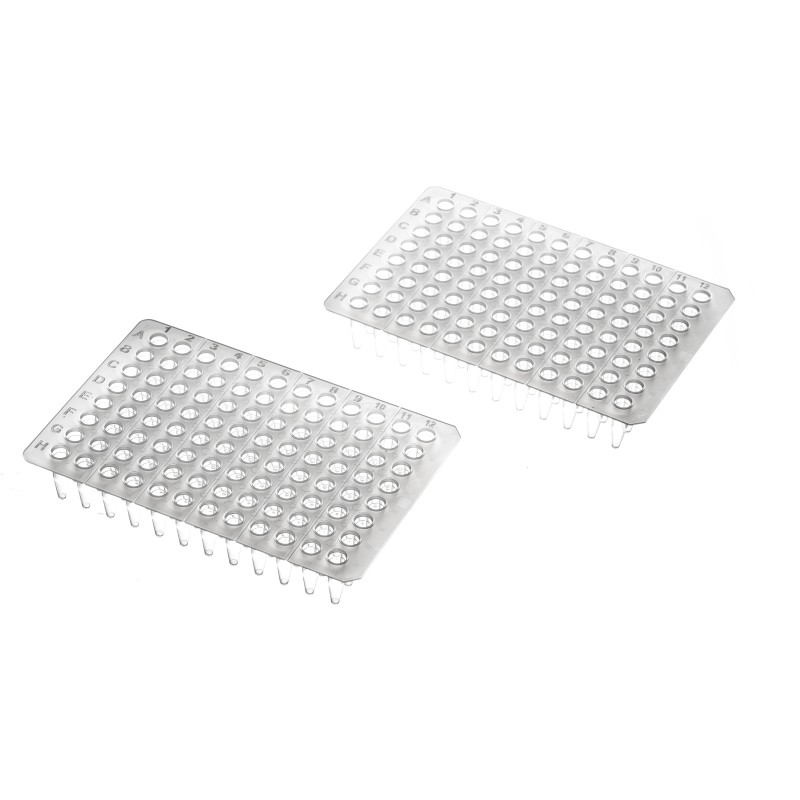
PCR strips are essential laboratory consumables designed for polymerase chain reaction applications in molecular biology. These specialized tubes serve as the primary vessels for conducting DNA amplification processes, making them indispensable in research facilities, diagnostic centers, and clinical laboratories worldwide. PCR strips consist of multiple connected tube chambers, typically ranging from 8 to 12 individual reaction wells, allowing scientists to process multiple samples simultaneously with improved efficiency and consistency.
The technological design of PCR strips incorporates advanced features that enhance performance and reliability. Each tube within the PCR strips maintains uniform wall thickness and optical clarity, ensuring optimal heat distribution during thermal cycling. The connection design allows for easy separation while maintaining structural integrity during handling and transportation. Modern PCR strips feature low-binding surfaces that minimize DNA adhesion, preventing sample loss and contamination.
PCR strips are widely utilized in various applications including genetic testing, disease diagnosis, pathogen detection, and research amplification projects. These strips work seamlessly with automated PCR systems and manual thermal cyclers, providing versatility across different laboratory environments. The individual tube design within PCR strips enables precise temperature control and consistent amplification results across all samples. Additionally, PCR strips reduce reagent waste compared to individual tube formats, offering practical solutions for high-throughput screening applications and routine molecular diagnostics requiring multiple simultaneous reactions.

 EN
EN