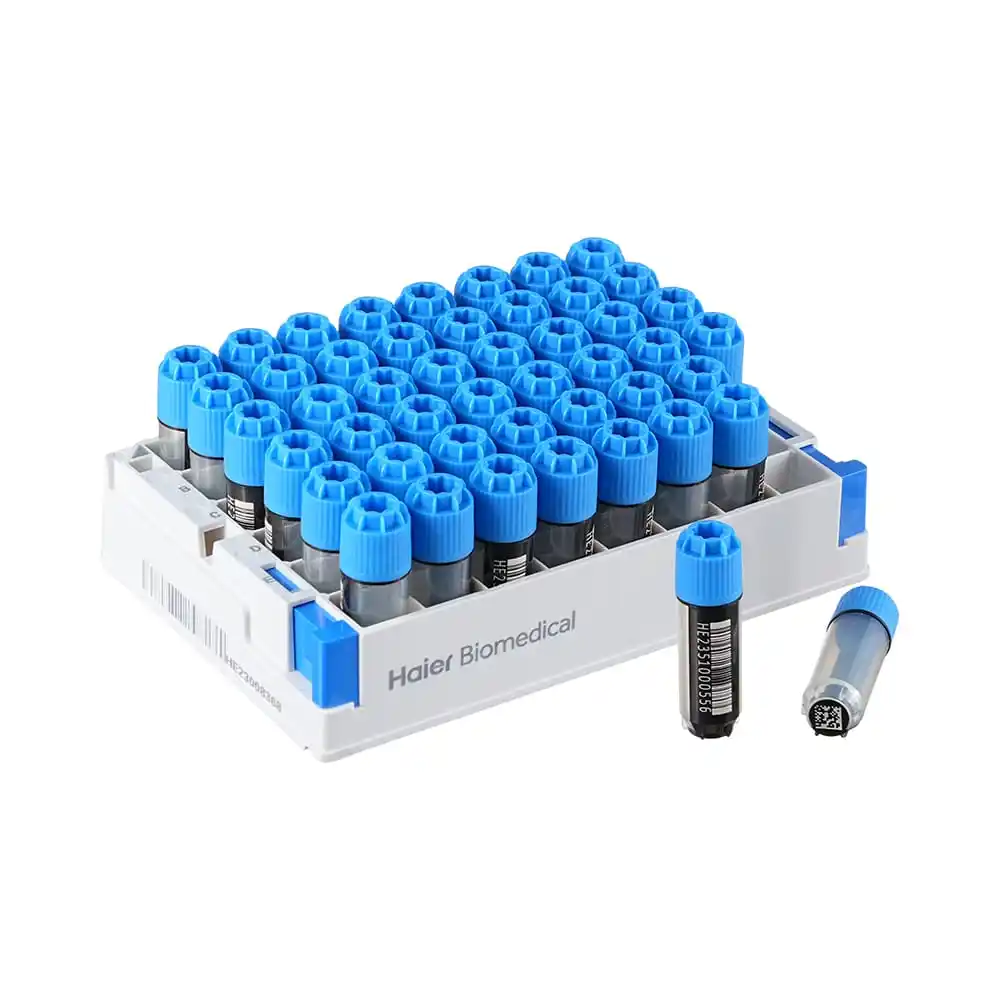
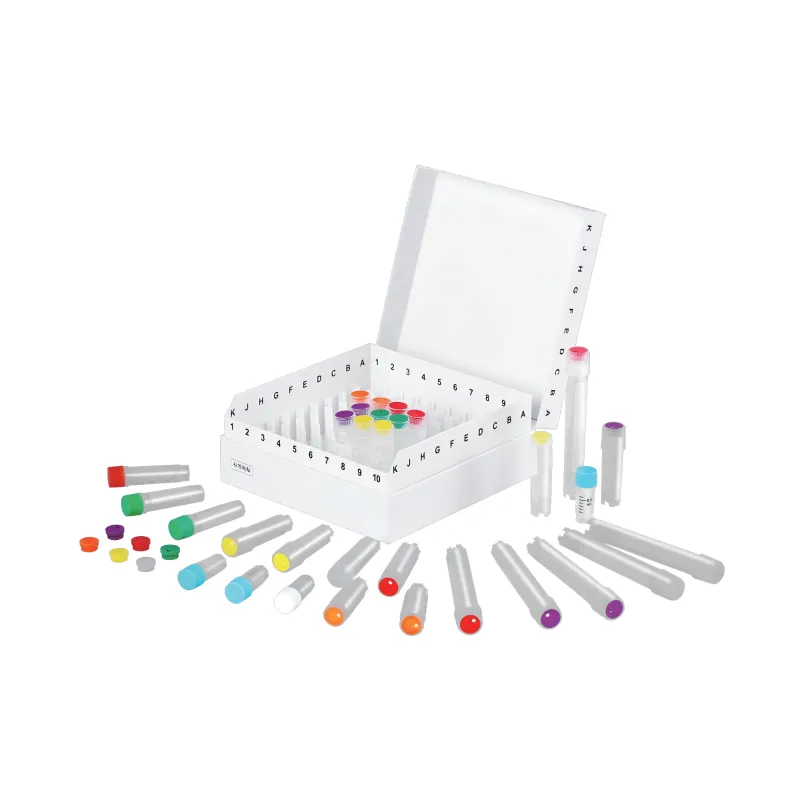
strip tube pcr
Strip tube PCR represents a modern molecular biology solution designed to streamline polymerase chain reaction workflows in research and diagnostic laboratories. Strip tube PCR systems utilize specially designed tube strips that allow researchers to perform multiple reactions simultaneously with enhanced efficiency and precision.
The strip tube PCR format features individual reaction tubes connected in a single strip, enabling batch processing while maintaining separation between samples. This innovative design reduces contamination risks and improves sample traceability throughout the amplification process. The technological features of strip tube PCR include compatible thermal cycling interfaces that ensure uniform heat distribution across all tubes, optimized reaction volumes ranging from 20 to 50 microliters, and transparent tube walls facilitating real-time monitoring of amplification progress.
Main functions of strip tube PCR encompass DNA amplification, gene expression analysis, pathogen detection, and quality control in pharmaceutical manufacturing. The strip tube PCR technology supports both conventional endpoint detection and real-time monitoring capabilities, making it adaptable to various research requirements. Applications span clinical diagnostics, infectious disease detection, genetic testing, and research laboratories worldwide.
Strip tube PCR offers significant advantages over traditional single-tube formats by enabling high-throughput analysis without requiring expensive equipment modifications. The modular design allows researchers to process samples in batches of 8, 12, or 16 reactions, depending on instrument configuration and available resources. This flexibility makes strip tube PCR an ideal solution for laboratories managing variable workloads and diverse testing requirements.

 EN
EN