pcr strip tubes with attached caps
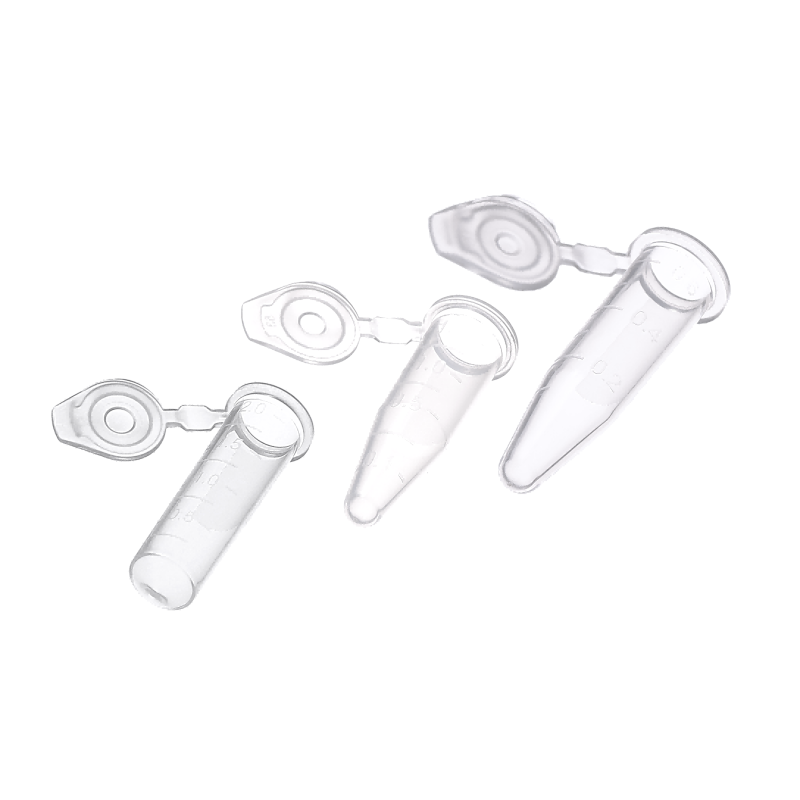
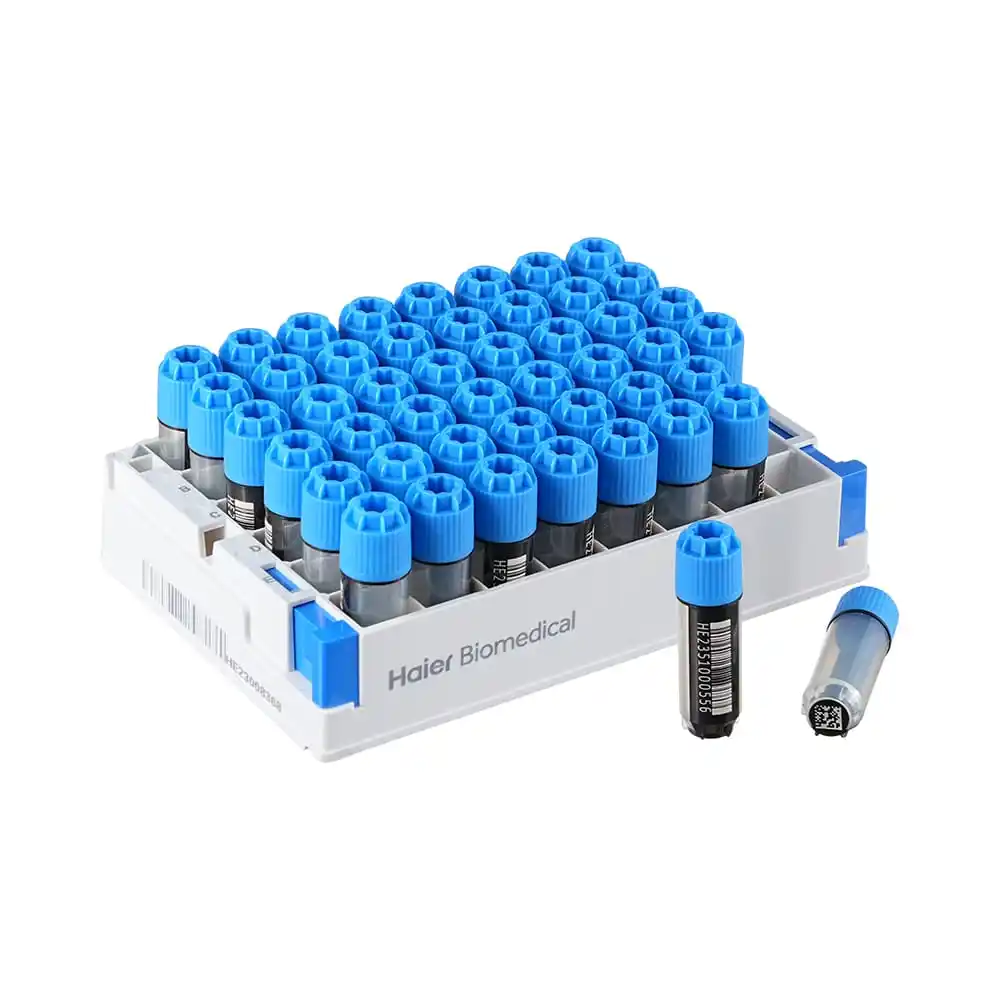
PCR strip tubes with attached caps represent a fundamental advancement in polymerase chain reaction laboratory work. These specialized tubes are designed to streamline DNA amplification processes while maintaining sample integrity throughout testing procedures. PCR strip tubes with attached caps combine tube and closure into a single, unified system that eliminates contamination risks associated with separate cap management.
The primary function of pcr strip tubes with attached caps is to securely contain biological samples during thermal cycling. The integrated cap design ensures samples remain sealed during heating and cooling phases, preventing evaporation and cross-contamination. These tubes typically feature 8-tube strip configurations, allowing researchers to process multiple samples simultaneously while maintaining individual sample identity.
Technologically, pcr strip tubes with attached caps incorporate advanced polymer materials that withstand extreme temperature fluctuations from 4°C to 95°C without degradation. The caps feature secure snap-fit mechanisms that create airtight seals, protecting sample integrity during rapid thermal changes. Optical clarity throughout the tube body enables real-time fluorescence monitoring during qPCR applications.
Applications for pcr strip tubes with attached caps span clinical diagnostics, genetic research, and forensic analysis. Researchers utilize these tubes in viral detection protocols, gene expression studies, and pathogen identification. The attached cap design proves particularly valuable in high-throughput laboratory environments where efficiency and accuracy are paramount. Medical professionals rely on pcr strip tubes with attached caps for COVID-19 testing, genetic screening, and infectious disease diagnostics. Academic institutions employ these tubes in molecular biology research and educational demonstrations.

 EN
EN