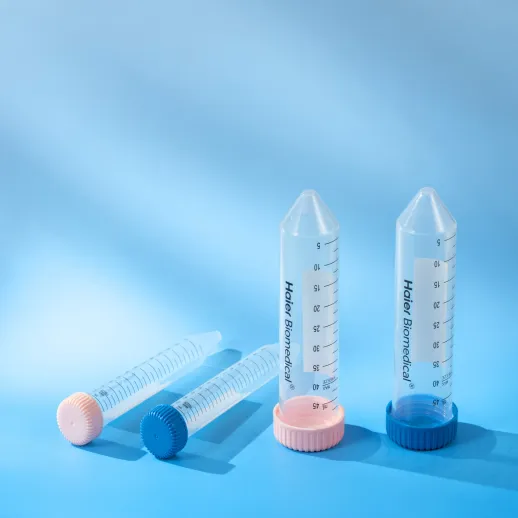
Sterile Pipette: Precision Laboratory Liquid Transfer

Get a Free Quote

Our representative will contact you soon.
Email
Name
Company Name
Message
0/1000

sterile pipette

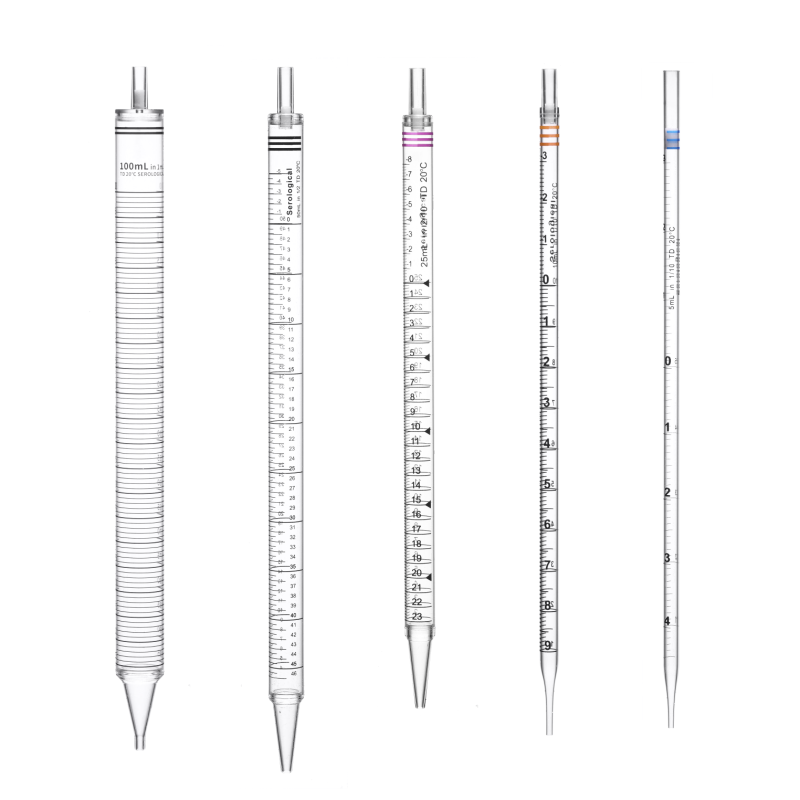
A sterile pipette is a precision laboratory instrument designed to accurately measure and transfer small volumes of liquids in controlled environments where contamination poses significant risks. The sterile pipette serves essential functions in microbiology, pharmaceutical research, clinical diagnostics, and molecular biology applications. These specialized tools maintain the integrity of samples by preventing microbial contamination and cross-contamination between experiments. Modern sterile pipette technology incorporates advanced features including graduated markings for precise volume measurement, ergonomic designs that reduce user fatigue, and materials engineered to withstand sterilization processes. The sterile pipette typically features a narrow tube with a graduated scale, a plunger mechanism for accurate liquid aspiration and dispensing, and a disposable or autoclavable tip system. Advanced sterile pipette models include electronic variants with programmable settings, adjustable speed controls, and digital displays for enhanced accuracy. These instruments are manufactured from borosilicate glass or medical-grade plastics that resist chemical degradation and maintain sterility throughout handling. The sterile pipette has become indispensable in vaccine development, genetic testing, cell culture preparation, and quality control procedures. Technological innovations in sterile pipette design now include air-gap technology to minimize aerosol generation, ultra-fine tips for working with delicate samples, and specialized configurations for handling viscous or volatile substances. Laboratories depend on reliable sterile pipette performance to ensure reproducible results and maintain compliance with stringent health and safety regulations.

New Product Recommendations

Choosing a sterile pipette offers substantial operational benefits that directly enhance laboratory efficiency and result reliability. The primary advantage involves maintaining sample purity—a sterile pipette prevents bacterial and fungal contamination that could compromise research outcomes or clinical diagnoses. This contamination prevention saves valuable time by eliminating the need to repeat experiments due to contamination-related failures. A sterile pipette dramatically reduces cross-contamination risks when technicians handle multiple samples sequentially, which proves especially critical in clinical microbiology and pharmaceutical quality assurance. The precision measurement capability of a sterile pipette ensures consistent volume transfers, directly improving data reproducibility and strengthening research conclusions. Users benefit from reduced training requirements because a sterile pipette operates intuitively, allowing laboratory staff to quickly achieve proficiency. Cost efficiency emerges as another substantial advantage—by preventing sample contamination, a sterile pipette minimizes material waste and reduces expensive reagent consumption. Safety improvements accompany sterile pipette use, as sealed systems protect technicians from aerosol exposure and hazardous substances. The ergonomic design of modern sterile pipette models reduces hand strain during repetitive operations, boosting worker comfort and productivity throughout extended laboratory sessions. Regulatory compliance becomes simpler with a sterile pipette because pharmaceutical and medical laboratories must maintain documented evidence of contamination prevention measures. Environmental advantages also apply—sterile pipette systems with autoclavable components reduce single-use plastic waste compared to disposable alternatives. Investment in quality sterile pipette equipment ultimately delivers superior return through improved accuracy, enhanced sample integrity, faster workflow completion, and decreased operational expenses.

Tips And Tricks

What Are the Common Applications of Cell Culture Dishes in Biotechnology

15

May

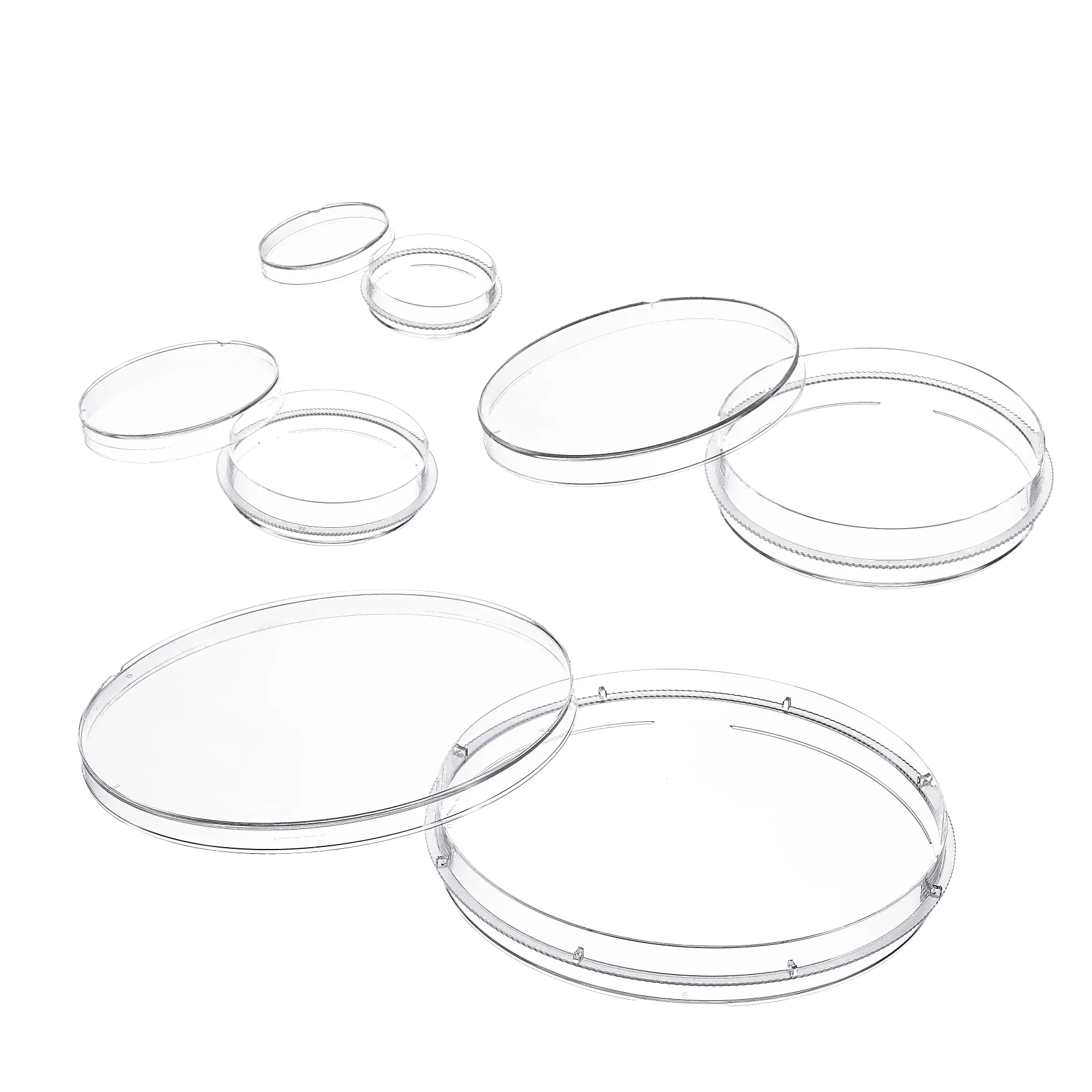
What Are the Common Applications of Cell Culture Dishes in Biotechnology

In modern biotechnology laboratories, few tools are as foundational and widely relied upon as cell culture dishes. These flat, circular, precision-engineered containers serve as the primary environment in which living cells are grown, maintained, and...
View More
Why Erlenmeyer Flasks Are Widely Used In Cell Suspension Cultures

15

May

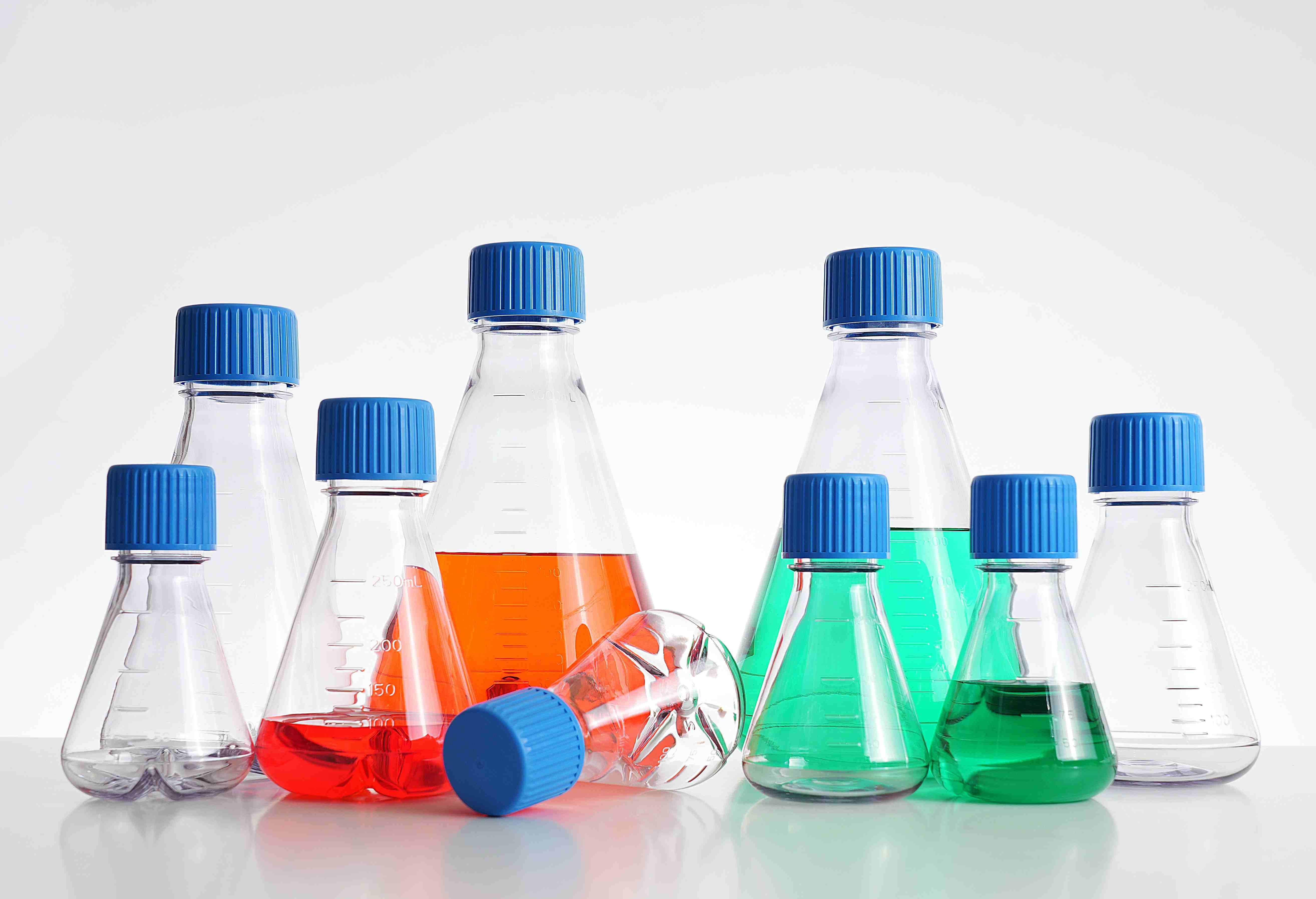
Why Erlenmeyer Flasks Are Widely Used In Cell Suspension Cultures

In modern cell biology and biopharmaceutical research, the choice of culture vessel profoundly impacts cell viability, growth consistency, and experimental reproducibility. Among the many options available in laboratory settings, the Erlenmeyer flask...
View More
The Role Of Well Plates In Enzyme And Cell-Based Assays

10

Jul

The Role Of Well Plates In Enzyme And Cell-Based Assays

In modern biochemical research, well plates serve as a foundational tool for conducting both enzyme and cell-based assays at scale. These compact, standardized formats allow scientists to run dozens or even hundreds of simultaneous reactions within a...
View More
Why Freezer Racks Improve Laboratory Storage Efficiency

10

Jul

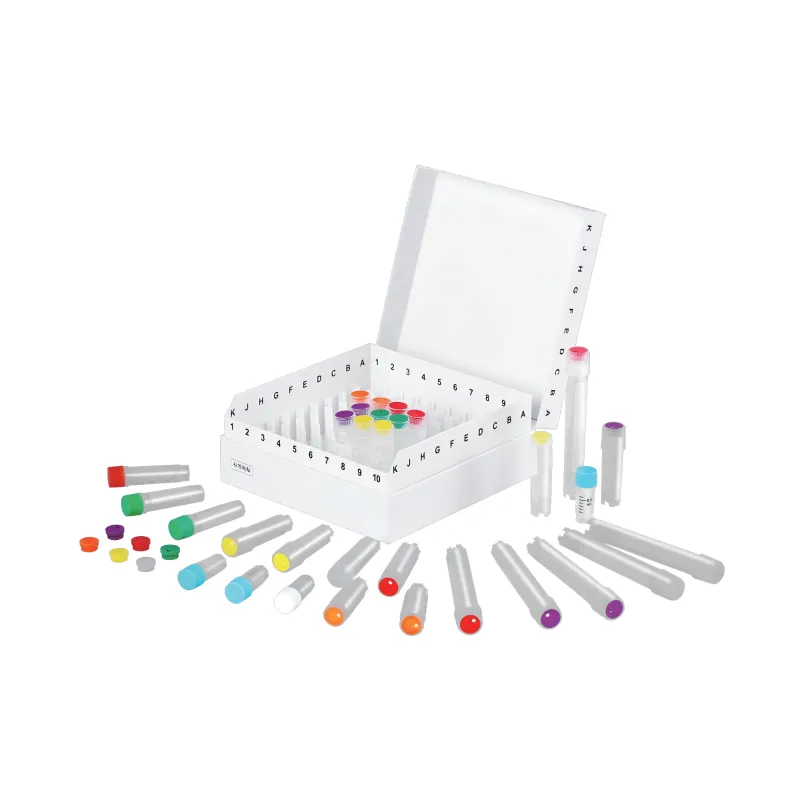
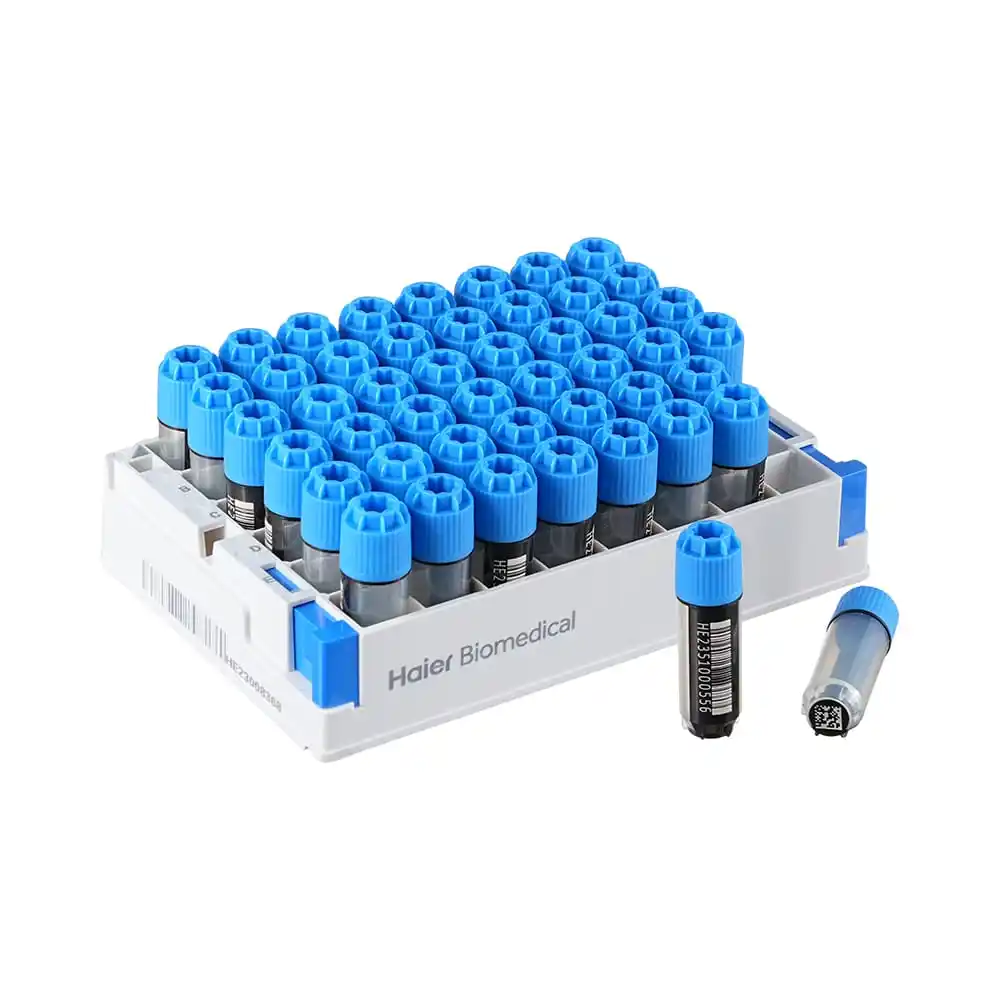
Why Freezer Racks Improve Laboratory Storage Efficiency

In modern laboratory environments, efficient sample management is not just a convenience — it is a scientific necessity. Freezer racks play a central role in organizing biological samples, reagents, and critical materials stored inside ultra-low temp...
View More

Get a Free Quote

Our representative will contact you soon.
Email
Name
Company Name
Message
0/1000

sterile pipette

Precision Volume Transfer Technology

Precision Volume Transfer Technology

The sterile pipette incorporates sophisticated volume measurement technology that delivers accuracy within 0.1 microliters for even the most demanding applications. This precision measurement capability ensures that laboratory professionals maintain exact concentrations during solution preparation and sample dilution procedures. The graduated markings on each sterile pipette are laser-etched to remain permanently visible, preventing calibration errors caused by marking degradation. Advanced sterile pipette designs include positive displacement mechanisms that minimize variation in delivered volumes across multiple transfers. This technology proves invaluable in pharmaceutical formulation, where even minor volume deviations can affect medication efficacy. The sterile pipette's reliability in precision transfer reduces statistical variation in experimental results, strengthening the validity of research conclusions. Quality assurance professionals depend on sterile pipette accuracy to verify product consistency and maintain regulatory compliance with FDA and international standards. The consistent performance of each sterile pipette throughout its operational lifespan ensures that long-term studies produce comparable data sets without systematic measurement errors affecting results.
Complete Contamination Prevention System

Complete Contamination Prevention System

A sterile pipette represents a comprehensive contamination prevention solution that protects both samples and laboratory personnel throughout every transfer operation. The sealed design of the sterile pipette creates a barrier that prevents airborne microorganisms from entering stored samples or culture media. Each sterile pipette undergoes rigorous sterilization certification, confirming that it meets ISO 11135 standards for ethylene oxide sterilization or autoclave compatibility. The sterile pipette's disposable tip system features single-use technology that eliminates cross-contamination between sequential sample transfers. This feature becomes particularly important in clinical settings where handling multiple patient samples demands absolute isolation between specimens. Advanced sterile pipette models include aerosol containment features that capture expelled air particles during liquid dispensing, protecting both the sample and surrounding laboratory environment. The sterile pipette maintains its contamination-free status from manufacturing through application, supported by tamper-evident packaging and documentation. Laboratories implementing sterile pipette protocols consistently achieve zero-contamination results in negative control experiments, validating the effectiveness of this critical laboratory tool.
Durability and Long-Term Cost Efficiency

Durability and Long-Term Cost Efficiency

Quality sterile pipette instruments deliver exceptional durability that ensures reliable performance across thousands of individual transfer operations over multiple years of continuous use. The sterile pipette construction from premium borosilicate glass or reinforced polymers withstands repeated sterilization cycles without degradation or loss of accuracy. Each sterile pipette resists chemical exposure to common laboratory solvents and reagents, preventing corrosion or material breakdown that could compromise functionality. The investment in a durable sterile pipette proves economically advantageous when compared to frequent replacements of inferior alternatives requiring disposal after limited use. Advanced sterile pipette designs feature replaceable components, extending equipment lifespan and reducing total cost of ownership for busy laboratories. The sterile pipette's mechanical simplicity ensures that maintenance requirements remain minimal while maximizing operational uptime. Manufacturers of premium sterile pipette products provide calibration verification services and warranty support, protecting laboratory investments. This long-term reliability makes the sterile pipette an economically sound choice for institutions managing extensive operational budgets while maintaining strict quality standards.

Get a Free Quote

Our representative will contact you soon.
Email
Name
Company Name
Message
0/1000