cryovial boxes
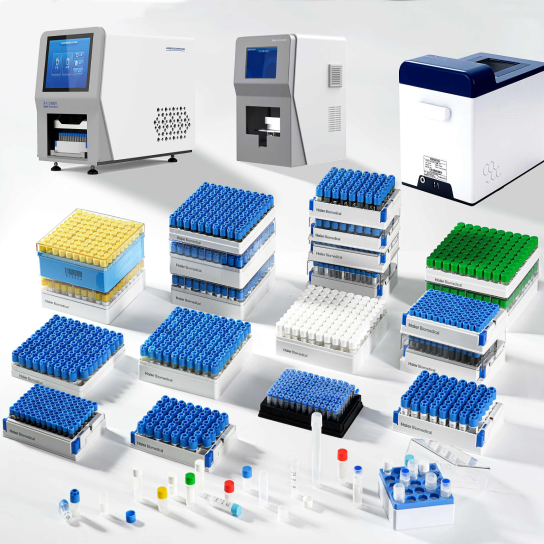
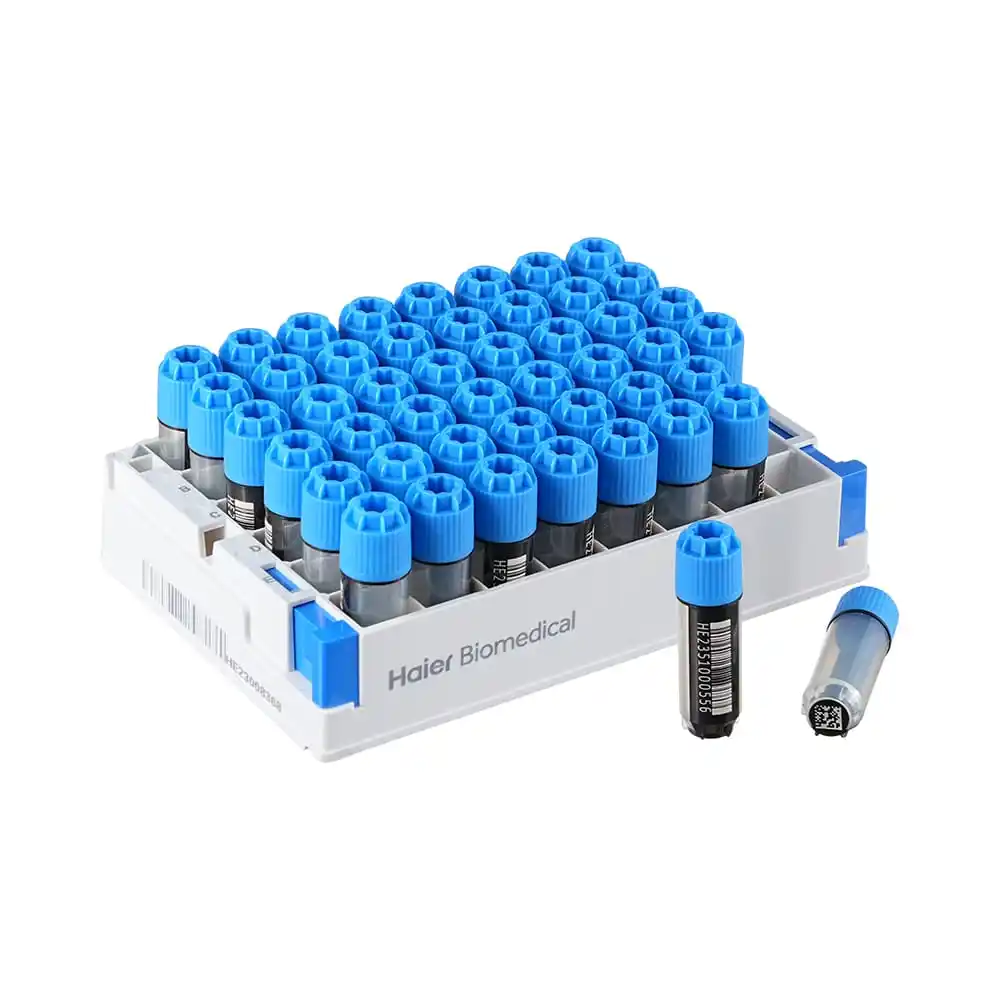
Cryovial boxes represent essential laboratory storage solutions designed for preserving biological samples at ultra-low temperatures. These specialized containers maintain the integrity of delicate specimens including blood plasma, serum, tissues, and cell cultures that require long-term preservation. Cryovial boxes are engineered with advanced insulation technology to protect samples from temperature fluctuations and external environmental conditions that could compromise research data.
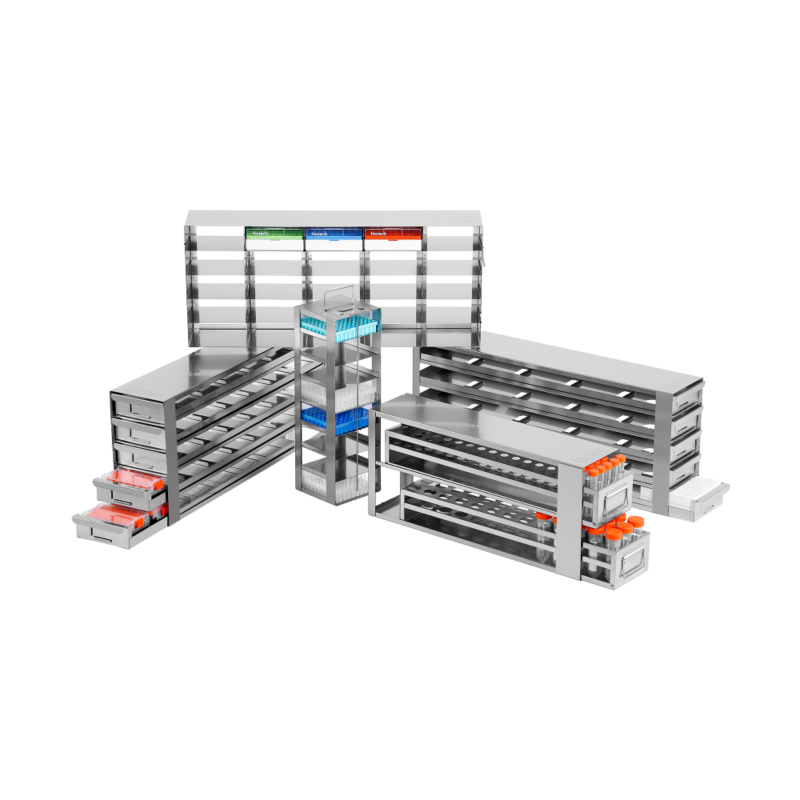
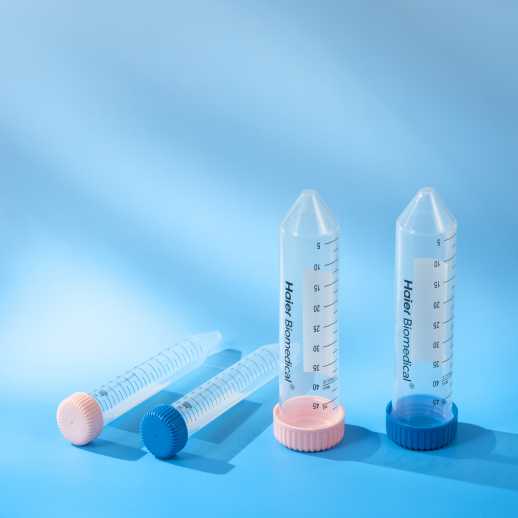
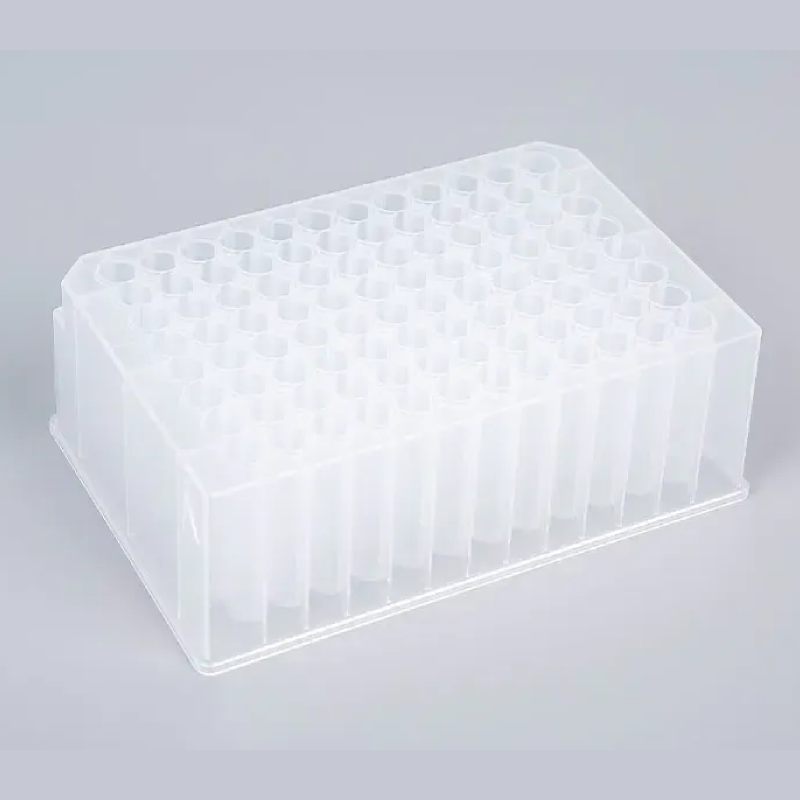
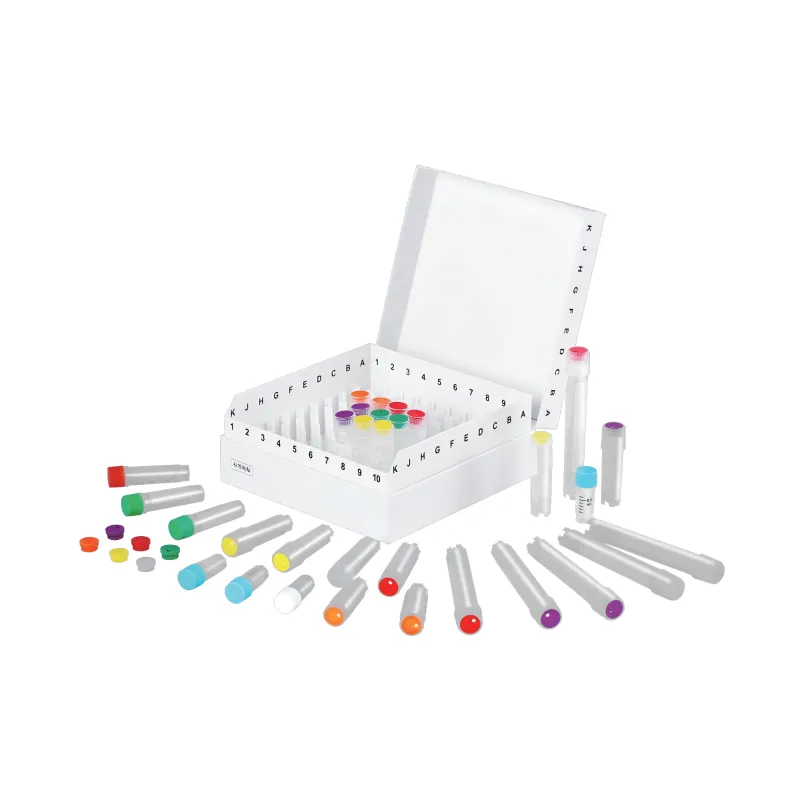
The primary function of cryovial boxes involves organizing and storing individual cryovials within freezer environments, typically at temperatures below negative 80 degrees Celsius or in liquid nitrogen storage systems. These boxes feature compartmentalized designs that accommodate various cryovial sizes, preventing cross-contamination and enabling efficient inventory management. The technological features of modern cryovial boxes include durable polypropylene or polycarbonate construction that withstands extreme cold without becoming brittle or warping.
Cryovial boxes serve critical applications across pharmaceutical research, clinical diagnostics, biobanking, and academic research institutions. The boxes provide color-coded organization systems, transparent panels for sample visibility, and numbering systems for precise tracking. These features make cryovial boxes indispensable for laboratories maintaining sample registries and conducting longitudinal studies. Researchers depend on cryovial boxes to ensure sample viability over months or years, protecting valuable research investments. The construction materials resist cryogenic brittleness, maintaining structural integrity even during repeated freeze-thaw cycles. Healthcare facilities utilize cryovial boxes for storing diagnostic samples, vaccines, and therapeutic compounds requiring stringent cold-chain management to ensure product efficacy and regulatory compliance.

 EN
EN