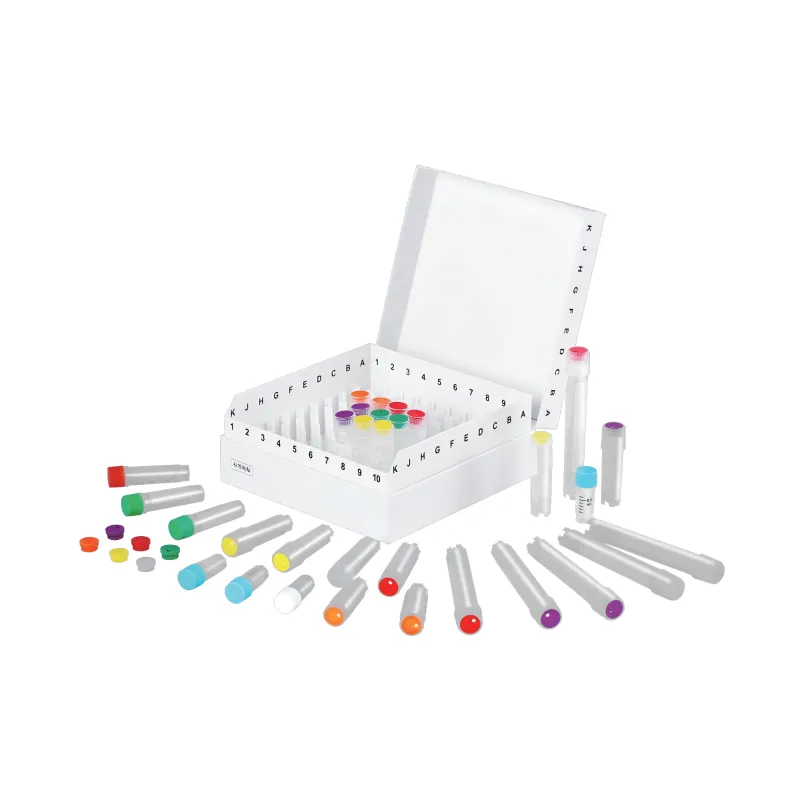
cell culture wells
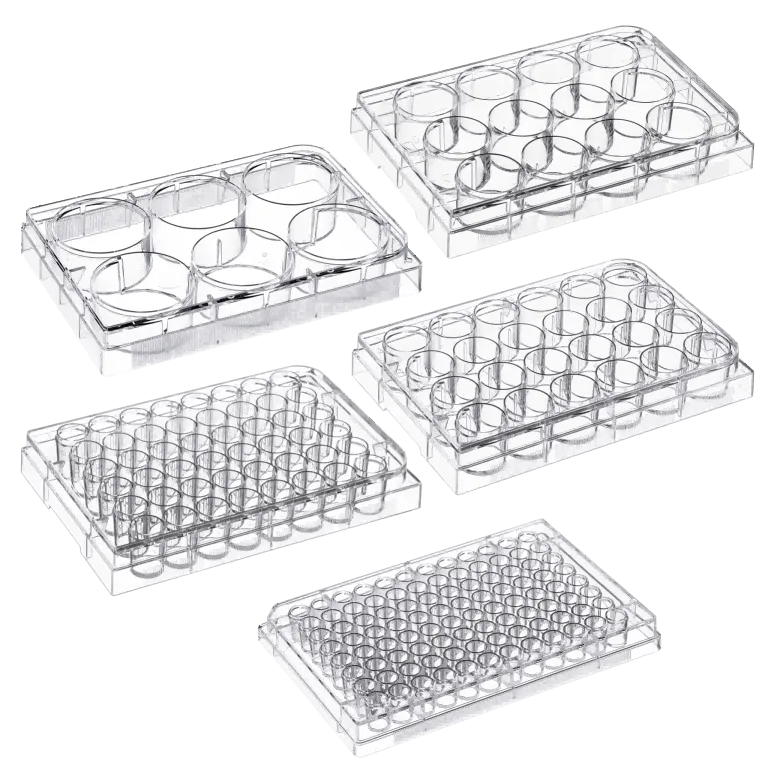
Cell culture wells represent an essential laboratory tool designed to support the growth and maintenance of cells in controlled environments. These specialized containers are fundamental to modern biological research, pharmaceutical development, and biotechnology applications. Cell culture wells come in various configurations, including single-well, multi-well plates, and specialized formats that accommodate different research requirements and experimental scales.
The primary function of cell culture wells is to provide sterile, controlled spaces where cells can attach, proliferate, and differentiate under optimal conditions. Cell culture wells feature engineered surfaces that promote cell adhesion while maintaining sterility throughout experiments. The technological design includes ultra-low attachment surfaces, tissue-culture-treated coatings, and enhanced gas permeability that supports cellular metabolism.
Cell culture wells are manufactured using high-grade polystyrene or specialized polymers that ensure biocompatibility and consistent performance across applications. These wells incorporate precisely engineered dimensions that facilitate uniform cell distribution and accurate experimental replication. The surface treatment technology used in modern cell culture wells minimizes evaporation while enabling proper gas exchange essential for aerobic respiration.
Applications for cell culture wells span numerous fields including regenerative medicine, vaccine development, drug screening, and basic cellular research. Researchers utilize cell culture wells for toxicity testing, protein production, and studying cellular behavior under various conditions. The versatility of cell culture wells makes them indispensable in academic institutions, pharmaceutical companies, and contract research organizations worldwide.

 EN
EN