
 EN
EN



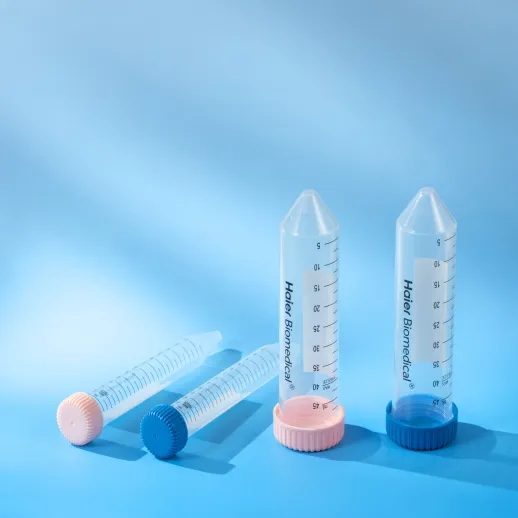
Sample evaporation represents one of the most critical challenges in polymerase chain reaction protocols, potentially compromising experimental accuracy and reproducibility. When working with PCR tubes, understanding the mechanisms behind evaporation and implementing effective prevention strategies becomes essential for maintaining consistent amplification results. Temperature fluctuations, inadequate sealing, and improper storage conditions can all contribute to significant sample volume loss during thermal cycling processes.
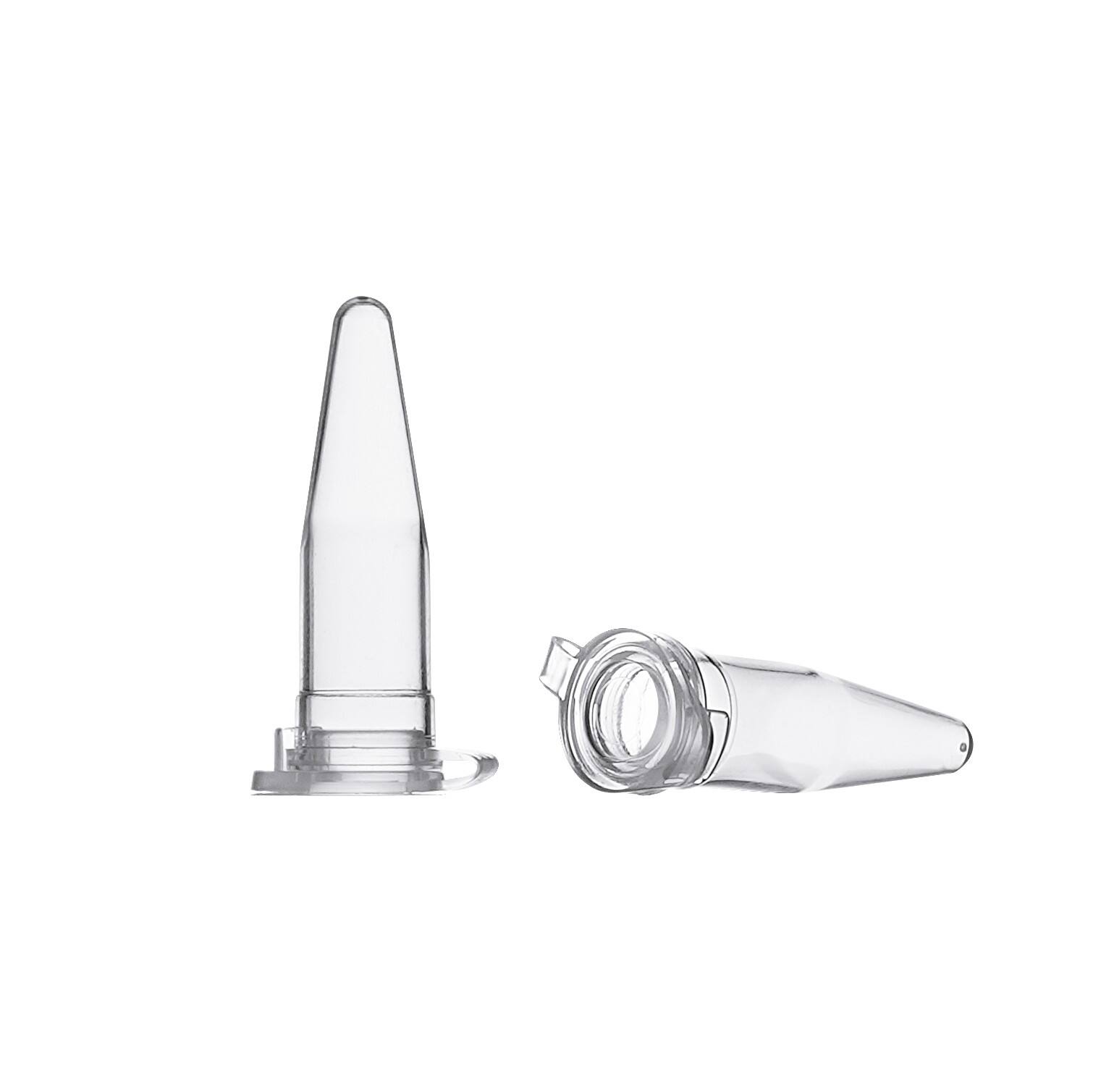
Laboratory professionals working with molecular biology applications must recognize that even minimal evaporation can dramatically alter reaction concentrations, leading to failed amplifications or inconsistent results. The delicate balance of reagents, primers, and template DNA requires precise volume maintenance throughout the entire thermal cycling process. Modern PCR tubes have evolved significantly to address these challenges, incorporating advanced materials and design features that minimize evaporation risks while maintaining optimal heat transfer properties.
Understanding Evaporation Mechanisms in PCR Applications
Temperature-Related Evaporation Factors
High-temperature denaturation steps in PCR protocols create the primary conditions for sample evaporation, particularly when temperatures reach 94-98°C during initial denaturation phases. The vapor pressure of aqueous solutions increases exponentially with temperature, causing water molecules to transition from liquid to gaseous states more readily. PCR tubes must withstand these extreme temperature variations while maintaining their structural integrity and sealing capabilities throughout multiple thermal cycles.
Thermal conductivity properties of different tube materials play a crucial role in heat distribution and evaporation prevention. Polypropylene PCR tubes offer excellent chemical resistance and thermal stability, making them ideal for applications requiring consistent temperature control. The wall thickness of these specialized containers directly impacts both heat transfer efficiency and evaporation resistance, requiring careful balance between optimal thermal cycling and sample retention.
Atmospheric Pressure and Humidity Effects
Environmental conditions surrounding PCR tubes significantly influence evaporation rates during thermal cycling processes. Low atmospheric humidity levels accelerate moisture loss from samples, while high humidity environments can reduce evaporation but may introduce condensation challenges. Laboratory altitude and barometric pressure variations also affect the boiling point of aqueous solutions, influencing evaporation dynamics during high-temperature cycling phases.
Air circulation patterns within thermal cyclers create convective currents that can enhance evaporation from improperly sealed PCR tubes. Understanding these atmospheric influences allows researchers to implement appropriate countermeasures, such as using heated lids and optimizing laboratory environmental controls to maintain consistent experimental conditions.
Proper Sealing Techniques for PCR Tubes
Cap Selection and Application Methods
Choosing appropriate caps for PCR tubes requires consideration of material compatibility, sealing mechanism, and thermal cycling requirements. Flat caps provide excellent sealing for standard applications, while domed caps offer additional headspace for reactions that may produce gas bubbles or require mixing during cycling. The sealing surface area between cap and tube rim directly correlates with evaporation prevention effectiveness.
Proper cap installation technique involves ensuring complete contact between the sealing surface and tube rim without over-tightening, which can damage the threading or create stress fractures. PCR tubes with precision-molded threads and high-quality sealing surfaces provide superior evaporation resistance when caps are applied with consistent torque pressure across all samples.
Alternative Sealing Solutions
Adhesive sealing films represent an effective alternative to traditional caps for high-throughput applications using PCR tubes in strip or plate formats. These specialized films provide uniform sealing pressure across multiple samples while allowing optical access for real-time monitoring applications. Heat-activated sealing films create particularly robust barriers against evaporation by forming molecular bonds with tube rim surfaces.
Silicone sealing mats offer reusable sealing solutions for laboratories conducting repeated experiments with similar sample volumes. These flexible materials conform to tube rim irregularities and maintain sealing integrity across multiple thermal cycling sessions, making them cost-effective options for routine PCR applications.
Thermal Cycler Optimization Strategies
Heated Lid Configuration
Heated lid technology represents the most effective method for preventing condensation and evaporation in PCR tubes during thermal cycling. Maintaining lid temperatures 5-10°C above the highest cycling temperature prevents vapor condensation on tube caps while creating a thermal barrier that reduces evaporation driving forces. Proper heated lid pressure settings ensure adequate contact with tube caps without deforming the containers or impeding heat transfer.
Temperature uniformity across the heated lid surface becomes critical when processing multiple PCR tubes simultaneously. Irregular heating patterns can create hot spots that accelerate evaporation in specific sample positions, leading to inconsistent results across the entire sample set. Regular calibration and maintenance of heated lid systems ensure optimal performance and uniform sample protection.
Ramping Rate and Hold Time Adjustments
Optimizing temperature transition rates between cycling phases can significantly reduce evaporation stress on PCR tube contents. Gradual temperature ramping allows for more uniform heat distribution and reduces the thermal shock that can compromise sealing integrity. Extended hold times at intermediate temperatures may seem beneficial for reaction kinetics but can increase cumulative evaporation exposure throughout the cycling protocol.
Block temperature calibration accuracy directly impacts evaporation control, as temperature overshoots during ramping phases can cause unexpected sample loss. Modern thermal cyclers incorporate predictive algorithms that account for thermal mass and heat transfer characteristics of different PCR tube materials, enabling more precise temperature control and reduced evaporation risks.
Sample Preparation and Volume Considerations
Optimal Starting Volumes
Determining appropriate initial sample volumes for PCR tubes requires balancing evaporation tolerance with reagent economy and thermal cycling efficiency. Larger starting volumes provide greater buffering capacity against evaporation losses but may compromise heat transfer efficiency and increase reagent costs. Most standard PCR applications benefit from 20-50 μL starting volumes, which offer reasonable evaporation tolerance while maintaining optimal thermal cycling kinetics.
Volume-to-surface-area ratios in PCR tubes influence evaporation rates, with lower ratios exposing proportionally more sample to evaporation forces. Conical-bottom tube designs minimize surface area exposure while facilitating complete sample recovery and mixing. Understanding these geometric relationships helps researchers select appropriate tube formats and volumes for specific experimental requirements.
Reagent Stability and Buffer Systems
Buffer composition significantly affects evaporation sensitivity in PCR tubes, with certain salts and stabilizing agents reducing vapor pressure and improving sample retention. Glycerol additions at 5-10% concentrations can substantially reduce evaporation rates without interfering with polymerase activity or amplification efficiency. These modifications prove particularly valuable for extended cycling protocols or applications requiring elevated denaturation temperatures.
Protein stabilizers and crowding agents in PCR reaction mixtures create molecular environments that resist volume changes due to evaporation. These additives function by increasing solution viscosity and reducing water activity, effectively creating a protective matrix around critical reaction components. Careful optimization of these stabilizing systems ensures compatibility with downstream analysis methods while providing robust evaporation protection.
Storage and Handling Best Practices
Pre-Cycling Storage Protocols
Proper storage of prepared PCR tubes prior to thermal cycling prevents premature evaporation and maintains sample integrity. Refrigerated storage at 4°C reduces vapor pressure and evaporation rates while preserving enzyme activity and preventing contamination. Storage containers should provide protection from light exposure and maintain stable humidity levels to prevent condensation formation on tube exteriors.
Transportation protocols for PCR tubes between preparation and cycling areas must account for temperature fluctuations and mechanical stress that could compromise sealing integrity. Insulated carriers and shock-absorbing materials protect samples during handling while maintaining consistent storage conditions. Documentation of storage times and conditions enables quality control tracking and troubleshooting of evaporation-related issues.
Post-Cycling Sample Management
Immediate cooling and stabilization of PCR tubes following thermal cycling prevents continued evaporation and preserves amplification products for analysis. Rapid cooling protocols using chilled blocks or refrigerated storage maintain sample integrity while preventing thermal degradation of reaction products. Proper cooling techniques also facilitate accurate volume measurements and downstream processing steps.
Long-term storage of completed PCR reactions requires specialized conditions that prevent evaporation during extended storage periods. Sealed storage systems with desiccant materials maintain stable humidity levels while preventing moisture exchange with the environment. These preservation methods ensure sample availability for repeat analyses or additional downstream applications.
Quality Control and Monitoring Methods
Volume Verification Techniques
Regular monitoring of sample volumes in PCR tubes throughout experimental protocols provides early detection of evaporation issues and enables corrective actions before complete sample loss. Precision pipetting techniques and calibrated measurement tools ensure accurate volume assessments without sample contamination. Visual inspection methods using graduated tubes or microscopic measurement systems offer non-invasive monitoring options for delicate samples.
Gravimetric analysis provides highly accurate evaporation measurements by tracking mass changes in PCR tubes during storage and thermal cycling. Analytical balances with sub-milligram precision enable detection of minimal evaporation losses that might otherwise go unnoticed. These quantitative measurements support optimization of storage conditions and thermal cycling parameters for specific experimental requirements.
Performance Validation Protocols
Systematic validation of evaporation prevention methods requires controlled testing under standardized conditions that replicate actual experimental protocols. Reference standards using known volumes and compositions enable accurate assessment of prevention strategy effectiveness. Comparative studies between different PCR tube brands, sealing methods, and storage conditions provide valuable data for optimizing laboratory protocols.
Statistical analysis of evaporation data across multiple experimental runs identifies trends and variability sources that may compromise result reliability. Control charting techniques track evaporation performance over time and detect systematic changes in prevention method effectiveness. These quality assurance approaches ensure consistent experimental conditions and reliable amplification results.
Troubleshooting Common Evaporation Issues
Identifying Evaporation Sources
Systematic troubleshooting of evaporation problems in PCR tubes begins with identifying the primary loss mechanisms affecting specific experimental conditions. Temperature logging during thermal cycling reveals thermal excursions that may contribute to excessive evaporation. Humidity monitoring in storage and cycling environments identifies environmental factors that may accelerate sample loss.
Physical inspection of PCR tubes and caps reveals manufacturing defects, damage, or contamination that compromises sealing integrity. Microscopic examination of sealing surfaces identifies wear patterns or debris that interfere with proper cap-to-tube contact. These diagnostic approaches enable targeted corrective actions rather than broad protocol modifications.
Corrective Action Strategies
Implementation of corrective measures for evaporation issues requires systematic evaluation of multiple variables and their interactions within specific experimental protocols. Equipment calibration and maintenance address thermal cycler performance issues that may contribute to evaporation problems. Environmental controls including temperature, humidity, and air circulation modifications create more stable conditions for sample preservation.
Protocol modifications such as volume adjustments, buffer optimization, and timing changes can substantially reduce evaporation susceptibility while maintaining amplification performance. These targeted interventions address root causes rather than symptoms, providing sustainable solutions for consistent experimental results. Documentation of successful corrective actions builds institutional knowledge for future troubleshooting efforts.
FAQ
What is the ideal starting volume for PCR tubes to minimize evaporation risks
The optimal starting volume for PCR tubes typically ranges from 20-50 μL, providing adequate buffering against evaporation losses while maintaining efficient heat transfer and reagent economy. Larger volumes offer greater evaporation tolerance but may compromise thermal cycling efficiency, while smaller volumes become susceptible to significant concentration changes from minimal evaporation.
How does heated lid temperature affect evaporation prevention in PCR tubes
Heated lids should maintain temperatures 5-10°C above the highest cycling temperature to effectively prevent condensation and evaporation. This temperature differential creates a thermal barrier that reduces vapor formation while preventing condensate formation on tube caps, which could otherwise lead to sample dilution or cross-contamination between PCR tubes.
Can buffer composition modifications help reduce evaporation in PCR reactions
Yes, buffer modifications including glycerol additions at 5-10% concentrations can significantly reduce evaporation rates without interfering with polymerase activity. Protein stabilizers and crowding agents also create molecular environments that resist volume changes, providing additional protection against evaporation-induced concentration shifts during thermal cycling.
What are the most effective sealing methods for preventing evaporation in PCR tubes
The most effective sealing approaches combine high-quality caps with precision-molded threads, proper installation techniques, and appropriate heated lid pressure. Alternative solutions including adhesive sealing films and silicone sealing mats provide excellent evaporation protection for specific applications, with effectiveness depending on thermal cycling requirements and sample handling protocols.
Table of Contents
- Understanding Evaporation Mechanisms in PCR Applications
- Proper Sealing Techniques for PCR Tubes
- Thermal Cycler Optimization Strategies
- Sample Preparation and Volume Considerations
- Storage and Handling Best Practices
- Quality Control and Monitoring Methods
- Troubleshooting Common Evaporation Issues
-
FAQ
- What is the ideal starting volume for PCR tubes to minimize evaporation risks
- How does heated lid temperature affect evaporation prevention in PCR tubes
- Can buffer composition modifications help reduce evaporation in PCR reactions
- What are the most effective sealing methods for preventing evaporation in PCR tubes