
 EN
EN



Laboratory efficiency and accuracy depend heavily on the choice of consumables and equipment used in molecular biology applications. Among the critical decisions researchers face is selecting between PCR strips and individual tubes for polymerase chain reaction procedures. PCR strips have emerged as a superior choice for many laboratory environments, offering significant advantages in workflow optimization, cost-effectiveness, and experimental consistency. Understanding these benefits enables laboratory managers and researchers to make informed decisions that enhance their operational efficiency while maintaining the highest standards of scientific accuracy.
Enhanced Laboratory Workflow Efficiency
Streamlined Sample Processing
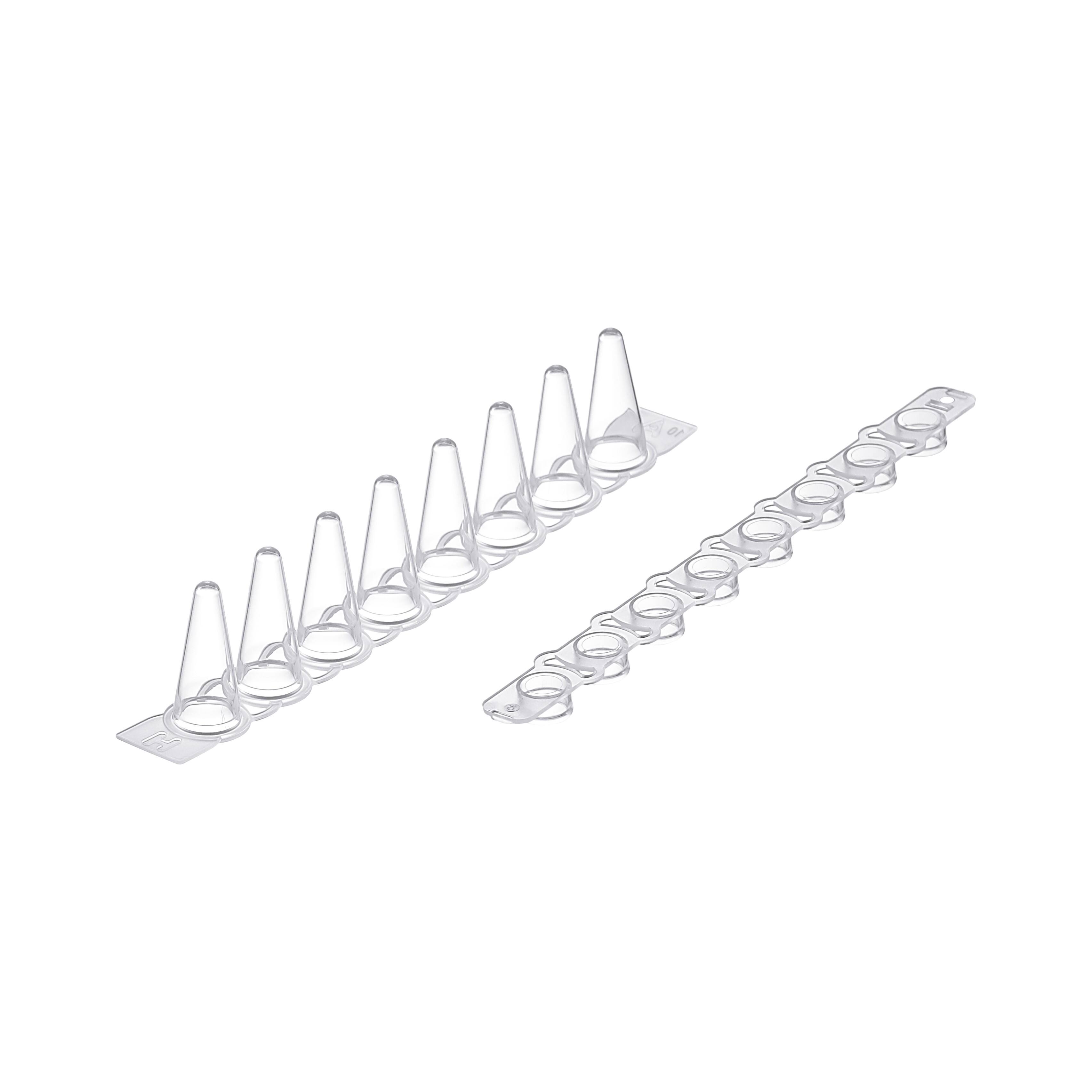
PCR strips revolutionize sample processing by allowing simultaneous handling of multiple samples in a single unit. This design eliminates the need to manipulate individual tubes separately, significantly reducing the time required for sample preparation and loading. Laboratory technicians can prepare entire batches of samples more efficiently, as PCR strips maintain consistent spacing and alignment that matches standard thermal cycler block configurations.
The streamlined approach offered by PCR strips translates into measurable time savings across various laboratory operations. Sample pipetting, reagent addition, and thermal cycler loading become more systematic and less prone to human error. This efficiency gain becomes particularly pronounced in high-throughput laboratories where processing dozens or hundreds of samples daily is routine.
Reduced Handling Time and Errors
Individual tube handling introduces multiple opportunities for error, including mislabeling, cross-contamination, and sample mix-ups. PCR strips minimize these risks by keeping related samples together in a predetermined arrangement that maintains sample integrity throughout the entire process. The connected design prevents individual tubes from being accidentally displaced or confused during transportation between workstations.
Laboratory protocols benefit from the reduced handling requirements that PCR strips provide. Researchers can focus more on scientific analysis rather than logistical concerns about sample management. This reduction in manual manipulation steps decreases the likelihood of contamination events and improves overall experimental reliability.
Cost-Effectiveness and Resource Optimization
Lower Per-Sample Costs
From a financial perspective, PCR strips typically offer better value per reaction compared to individual tubes. The manufacturing process for strips allows for economies of scale that translate into lower per-unit costs for laboratories. This cost advantage becomes more significant for laboratories running large numbers of PCR reactions regularly.
Additionally, PCR strips reduce packaging waste and storage requirements, contributing to overall cost savings in laboratory operations. The compact design requires less storage space and generates fewer disposal containers, leading to reduced waste management costs. These indirect savings complement the direct cost benefits of choosing strips over individual tubes.
Inventory Management Benefits
Inventory management becomes more straightforward with PCR strips due to their standardized packaging and predictable usage patterns. Laboratory managers can better forecast consumable needs and maintain optimal stock levels without overordering. The reduced variety of SKUs needed for PCR strip formats simplifies procurement processes and reduces the complexity of supplier relationships.
Storage efficiency improves significantly when using PCR strips instead of individual tubes. The organized packaging of strips requires less shelf space and creates more systematic inventory organization. This improved storage efficiency enables laboratories to maintain larger working inventories in the same physical space, reducing the frequency of reorder cycles.
Technical Performance Advantages
Consistent Thermal Transfer
PCR strips provide superior thermal transfer characteristics compared to individual tubes due to their optimized design for thermal cycler compatibility. The uniform wall thickness and material distribution across connected tubes ensure consistent temperature ramping and holding throughout all samples in the strip. This consistency translates into more reliable amplification results and reduced variability between samples within the same run.
The thermal properties of PCR strips have been specifically engineered to match the performance requirements of modern thermal cyclers. This compatibility ensures optimal heat transfer rates and temperature uniformity that individual tubes may not achieve as effectively. Researchers benefit from improved reproducibility and reduced need for optimization runs when using properly designed PCR strips.
Reduced Cross-Contamination Risk
Cross-contamination prevention becomes more manageable with PCR strips due to their integrated design that minimizes sample exposure during handling. Individual tubes require multiple cap manipulations and separate handling steps that increase contamination opportunities. PCR strips maintain better sample isolation while still allowing efficient access for pipetting and sample addition.
The sealed design of quality PCR strips provides reliable protection against aerosol contamination and sample evaporation. This protection remains consistent across all positions within the strip, ensuring uniform sample integrity throughout the experimental process. Laboratories working with sensitive applications particularly benefit from this enhanced contamination control.
Compatibility and Versatility
Thermal Cycler Integration
Modern thermal cyclers are designed with PCR strips in mind, offering dedicated block configurations that maximize the advantages of strip formats. The precise spacing and alignment of PCR strips match thermal cycler specifications, ensuring optimal contact and heat transfer efficiency. This integration eliminates the gaps and inconsistencies that can occur when using individual tubes in strip-configured blocks.
The versatility of PCR strips extends to their compatibility with various thermal cycler brands and models. Standardized dimensions ensure that strips work effectively across different equipment platforms, providing laboratories with flexibility in equipment selection and reducing the need for format-specific consumables for different instruments.
Automation Compatibility
Laboratory automation systems show increasing compatibility with PCR strips, recognizing their advantages in high-throughput applications. Robotic sample handling systems can process PCR strips more efficiently than individual tubes, leading to improved automation reliability and reduced system complexity. The standardized format of strips facilitates better integration with automated pipetting and sample tracking systems.
Future-proofing laboratory investments becomes easier with PCR strips due to their widespread adoption in automated systems. As laboratories move toward greater automation, the compatibility advantages of strips over individual tubes become increasingly important for maintaining operational efficiency and equipment utilization.
Quality Control and Traceability
Improved Sample Tracking
Sample traceability improves significantly when using PCR strips because related samples remain physically connected throughout the process. This connection reduces the risk of sample mix-ups and provides clear visual confirmation of sample relationships. Laboratory information management systems can more easily track strip-based samples due to their organized arrangement and predictable positioning.
The systematic arrangement of PCR strips facilitates better documentation practices and audit trails. Quality control procedures become more straightforward when samples maintain their relative positions throughout the analytical process. This improved traceability supports regulatory compliance requirements and enhances overall laboratory quality management systems.
Batch Processing Advantages
Batch processing becomes more reliable with PCR strips due to their ability to maintain sample groupings throughout the entire analytical workflow. Related samples processed in the same strip experience identical conditions, reducing variability that might arise from processing individual tubes separately. This consistency supports better statistical analysis and more reliable experimental conclusions.
Quality control samples and standards can be integrated more effectively into strip formats, providing better process control and validation opportunities. The ability to include positive and negative controls within the same strip ensures that all samples experience identical processing conditions, improving the reliability of quality control assessments.
Environmental and Safety Considerations
Reduced Plastic Waste
Environmental impact considerations favor PCR strips due to their more efficient use of plastic materials compared to individual tubes. The connected design reduces the amount of packaging material required per sample, contributing to lower overall plastic consumption. This reduction aligns with growing laboratory sustainability initiatives and environmental responsibility goals.
Waste disposal efficiency improves with PCR strips because fewer individual items require handling and processing. The consolidated format reduces the volume of laboratory waste and simplifies disposal procedures. This efficiency translates into lower waste management costs and reduced environmental impact from laboratory operations.
Enhanced Safety Features
Safety improvements result from the reduced handling requirements of PCR strips compared to individual tubes. Fewer manipulation steps mean reduced exposure to potentially hazardous samples and decreased risk of accidents during sample processing. The stable, connected design of strips provides better control during transportation and storage, reducing spill risks.
Laboratory safety protocols benefit from the predictable behavior of PCR strips during handling and processing. The elimination of loose individual tubes reduces the risk of dropping samples or creating safety hazards in work areas. This improved safety profile supports better laboratory risk management and worker protection programs.
FAQ
What are the main differences between PCR strips and individual tubes in terms of laboratory efficiency
PCR strips offer superior laboratory efficiency through reduced handling time, simplified sample management, and streamlined workflow processes. Individual tubes require separate manipulation for each sample, while PCR strips allow simultaneous handling of multiple samples. This difference translates into significant time savings, reduced error rates, and improved productivity in laboratory operations. The connected design of strips eliminates many of the logistical challenges associated with managing numerous individual containers.
How do PCR strips contribute to cost savings in laboratory operations
Cost savings from PCR strips arise from multiple sources including lower per-sample purchase costs, reduced storage requirements, simplified inventory management, and decreased waste disposal expenses. The manufacturing economies of scale for strips typically result in better value compared to individual tubes. Additionally, the improved efficiency and reduced error rates associated with PCR strips contribute to operational cost savings through better resource utilization and reduced need for repeat experiments.
Are PCR strips compatible with all thermal cyclers and laboratory automation systems
Most modern thermal cyclers are designed with PCR strip compatibility in mind, featuring dedicated block configurations that optimize performance with strip formats. However, compatibility should be verified with specific equipment models before implementation. Laboratory automation systems increasingly support PCR strips due to their standardized dimensions and improved handling characteristics. The widespread adoption of strips in the industry has driven equipment manufacturers to ensure compatibility across their product lines.
What quality control advantages do PCR strips provide over individual tubes
Quality control benefits of PCR strips include improved sample traceability, reduced cross-contamination risks, better batch processing capabilities, and enhanced documentation possibilities. The connected design maintains sample relationships throughout processing, making it easier to track and verify sample integrity. Control samples can be integrated more effectively within strip formats, ensuring identical processing conditions for all samples. This consistency supports more reliable quality control assessments and regulatory compliance requirements.
Table of Contents
- Enhanced Laboratory Workflow Efficiency
- Cost-Effectiveness and Resource Optimization
- Technical Performance Advantages
- Compatibility and Versatility
- Quality Control and Traceability
- Environmental and Safety Considerations
-
FAQ
- What are the main differences between PCR strips and individual tubes in terms of laboratory efficiency
- How do PCR strips contribute to cost savings in laboratory operations
- Are PCR strips compatible with all thermal cyclers and laboratory automation systems
- What quality control advantages do PCR strips provide over individual tubes