
 EN
EN



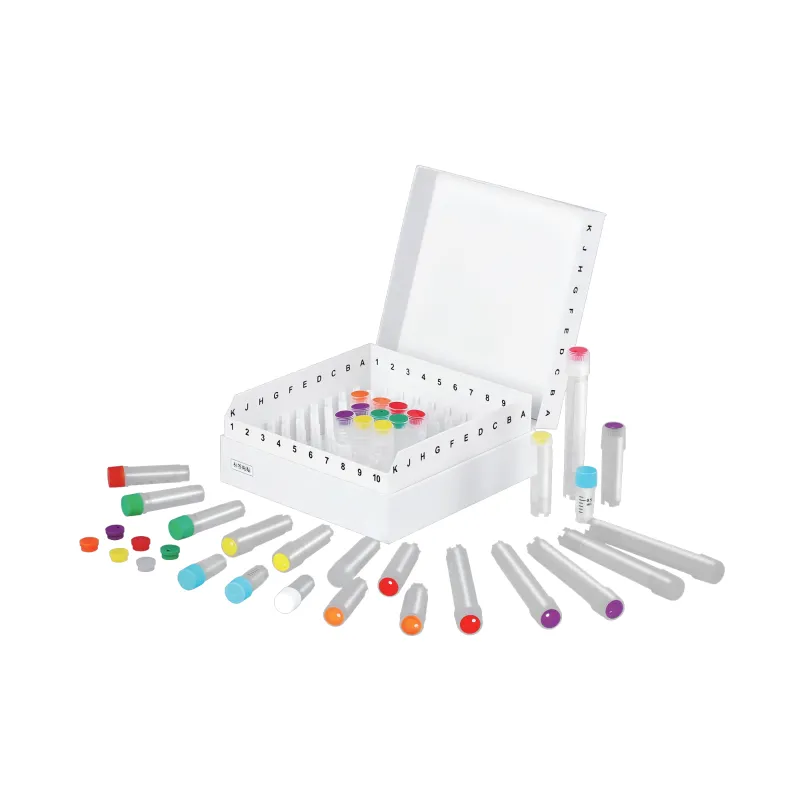
Modern molecular biology laboratories face increasing demands for high-throughput, cost-effective testing solutions that deliver reliable results without compromising on quality. PCR strips have emerged as the preferred choice for laboratories seeking to optimize their multiplex testing workflows while maintaining precision and efficiency. These innovative laboratory consumables offer significant advantages over traditional tube formats, particularly when conducting multiple simultaneous reactions that require consistent thermal cycling and minimal cross-contamination risks.
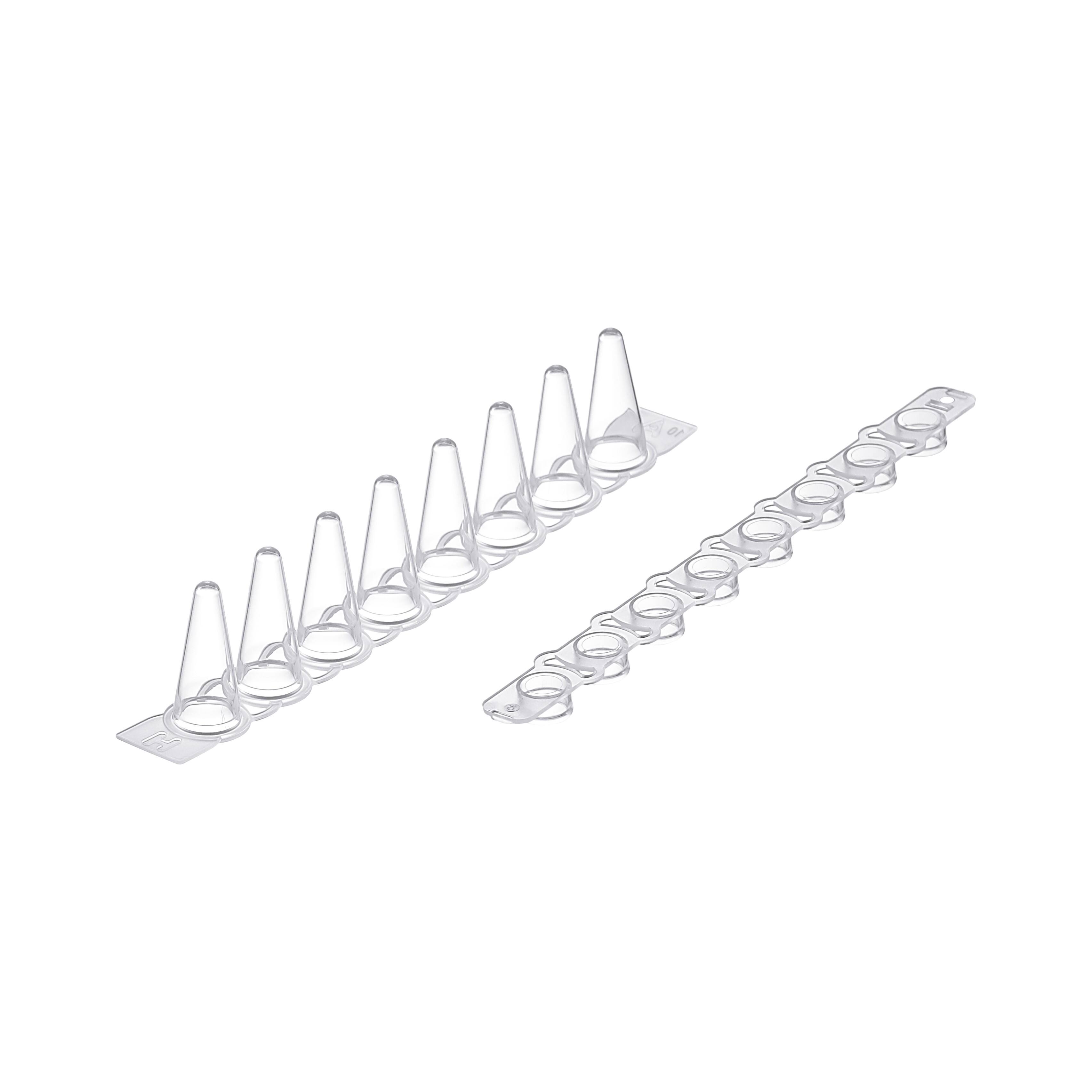
The evolution of polymerase chain reaction technology has driven laboratories to adopt more sophisticated testing approaches, with multiplex PCR becoming increasingly common across research, diagnostic, and quality control applications. PCR strips provide the ideal platform for these complex procedures, offering superior temperature uniformity and reduced sample handling requirements compared to individual tubes. Their design facilitates better heat transfer characteristics while maintaining the flexibility needed for varied sample volumes and testing protocols.
Enhanced Workflow Efficiency Through Strategic Design
Streamlined Sample Preparation and Loading
PCR strips revolutionize laboratory workflows by enabling simultaneous sample preparation and loading across multiple wells, significantly reducing the time required for setup procedures. Laboratory technicians can prepare entire sets of reactions in a single operation, minimizing the potential for pipetting errors and ensuring consistent sample volumes across all wells. This streamlined approach proves particularly valuable when processing large sample batches or conducting time-sensitive experiments where rapid turnaround times are essential.
The ergonomic design of PCR strips allows for easy handling and positioning within thermal cyclers, reducing the physical strain associated with loading individual tubes. Many strip formats feature color-coded caps or specialized labeling areas that facilitate sample identification and tracking throughout the testing process. These design elements contribute to improved laboratory efficiency while reducing the likelihood of sample mix-ups or procedural errors that can compromise test results.
Optimized Thermal Performance Characteristics
The thermal performance of PCR strips surpasses that of individual tubes due to their enhanced contact surface area with thermal cycler blocks, resulting in more uniform temperature distribution across all wells. This improved thermal transfer capability ensures that all samples experience identical cycling conditions, which is crucial for achieving consistent amplification results in multiplex reactions. The reduced thermal mass of strip formats also enables faster heating and cooling rates, shortening overall cycle times and improving laboratory throughput.
Advanced PCR strips incorporate specialized materials and wall thickness specifications that optimize heat conduction while maintaining structural integrity throughout repeated thermal cycling. These materials resist deformation under extreme temperature conditions, ensuring reliable seal integrity and preventing evaporation losses that could affect reaction concentrations. The result is improved assay reproducibility and enhanced confidence in test outcomes across diverse experimental conditions.
Cost-Effectiveness and Resource Management
Reduced Consumable Costs and Waste Generation
Implementing PCR strips in laboratory operations delivers substantial cost savings compared to individual tube formats, particularly when conducting high-volume testing procedures. The manufacturing efficiencies associated with strip production translate to lower per-well costs, while the reduced packaging requirements minimize waste generation and storage space demands. Laboratories can achieve significant budget optimization by switching to PCR strips without compromising on quality or performance standards.
The modular nature of PCR strips allows laboratories to use only the number of wells required for each experiment, reducing waste associated with unused tubes and minimizing inventory management complexity. This flexibility proves particularly valuable for research laboratories with variable testing volumes or specialized diagnostic facilities that process diverse sample types requiring different reaction configurations.
Improved Inventory Management and Storage Efficiency
PCR strips offer superior storage density compared to individual tubes, enabling laboratories to maintain larger inventories within limited storage space while ensuring adequate supplies for ongoing operations. The compact packaging of strip formats reduces shipping costs and simplifies procurement processes, while standardized dimensions ensure compatibility with existing laboratory equipment and automation systems. These logistical advantages contribute to streamlined operations and reduced administrative overhead.
The standardized format of PCR strips facilitates automated inventory tracking and management systems, enabling laboratories to implement sophisticated supply chain optimization strategies. Real-time monitoring of strip consumption patterns helps predict future requirements and prevents costly stockouts that could disrupt critical testing schedules. This predictive capability supports continuous laboratory operations while maintaining optimal inventory levels.
Quality Assurance and Contamination Prevention
Enhanced Seal Integrity and Sample Protection
PCR strips feature advanced sealing mechanisms that provide superior protection against contamination and evaporation compared to traditional tube formats. The integrated cap design ensures consistent seal pressure across all wells, preventing cross-contamination between adjacent samples while maintaining optimal reaction conditions throughout thermal cycling. This enhanced protection proves essential for sensitive multiplex assays where contamination could compromise entire test runs.
Modern PCR strips incorporate specialized sealing materials that maintain integrity under extreme temperature conditions while providing easy access for sample loading and retrieval. The uniform sealing pressure distribution prevents preferential evaporation from corner wells, ensuring consistent reaction volumes and concentrations across all positions within the strip. This consistency directly translates to improved assay reliability and reduced variability in test results.
Reduced Cross-Contamination Risks
The design of PCR strips inherently reduces cross-contamination risks through physical separation barriers and optimized well geometries that prevent sample migration between adjacent wells. Individual well isolation ensures that contamination events remain localized, preventing the spread of contamination across entire sample sets. This containment capability proves particularly valuable when processing samples with varying contamination risks or when conducting sensitive diagnostic procedures.
PCR strips enable laboratories to implement sophisticated contamination control protocols through strategic sample placement and barrier techniques that further minimize contamination risks. The ability to process positive and negative controls within the same strip while maintaining separation provides enhanced quality assurance capabilities and simplifies validation procedures for regulated testing environments.
Compatibility and Integration Advantages
Universal Equipment Compatibility
PCR strips demonstrate excellent compatibility with diverse thermal cycler platforms, enabling laboratories to optimize their existing equipment investments while accessing advanced strip-based testing capabilities. The standardized dimensions and thermal characteristics of quality PCR strips ensure reliable performance across different instrument manufacturers and models, providing flexibility for laboratories with mixed equipment fleets or those planning future equipment acquisitions.
The universal compatibility of PCR strips extends to automated liquid handling systems and robotic platforms, enabling seamless integration with high-throughput laboratory workflows. This integration capability supports scalable testing operations that can adapt to changing volume demands while maintaining consistent quality standards and operational efficiency.
Automation and High-Throughput Applications
PCR strips excel in automated laboratory environments where consistent sample handling and processing are essential for maintaining operational efficiency and quality standards. The standardized format facilitates robotic manipulation and positioning, while the reduced handling requirements minimize opportunities for human error during automated procedures. These characteristics make PCR strips ideal for high-throughput diagnostic laboratories and research facilities with demanding productivity requirements.
Advanced laboratory automation systems can process PCR strips with enhanced speed and precision compared to individual tubes, enabling higher sample throughput while reducing labor requirements and operational costs. The integration of strip-based testing with automated systems supports continuous laboratory operations and enables processing of larger sample volumes without proportional increases in staffing requirements.
Applications Across Laboratory Settings
Research Laboratory Applications
Research laboratories benefit significantly from PCR strips when conducting comparative studies, optimization experiments, and validation procedures that require multiple parallel reactions with precise temperature control. The ability to process numerous samples simultaneously while maintaining identical conditions enables researchers to generate reliable comparative data and accelerate experimental timelines. PCR strips prove particularly valuable for studies involving dose-response relationships, time-course experiments, and multi-variable optimization procedures.
The flexibility of PCR strips supports diverse research applications, from basic molecular biology research to advanced genomics studies requiring sophisticated multiplex reactions. Research teams can customize strip configurations to accommodate specific experimental designs while maintaining the consistency and reliability required for publication-quality results. This adaptability makes PCR strips essential tools for academic research institutions and biotechnology companies conducting cutting-edge research.
Clinical Diagnostic Applications
Clinical diagnostic laboratories rely on PCR strips to deliver accurate, timely results for patient care while maintaining strict quality standards and regulatory compliance. The enhanced reliability and consistency of strip-based testing support critical diagnostic procedures where accuracy directly impacts patient outcomes. PCR strips enable clinical laboratories to process larger sample volumes efficiently while maintaining the precision required for regulatory approval and accreditation standards.
The standardized format of PCR strips facilitates quality control procedures and proficiency testing programs essential for clinical laboratory accreditation and regulatory compliance. Consistent performance characteristics across different lots and manufacturing dates enable laboratories to maintain validated procedures while adapting to changing testing volumes and requirements. This reliability proves crucial for clinical laboratories serving diverse patient populations with varying diagnostic needs.
FAQ
What are the main advantages of PCR strips over individual tubes
PCR strips offer several key advantages including improved thermal uniformity across all wells, reduced sample handling requirements, lower per-reaction costs, and enhanced workflow efficiency. The integrated design eliminates the need for individual tube handling while providing superior temperature control and reduced contamination risks compared to traditional tube formats.
How do PCR strips improve laboratory productivity
PCR strips enhance laboratory productivity by enabling simultaneous sample preparation and processing, reducing setup times, and minimizing handling errors. The streamlined workflow reduces labor requirements while increasing sample throughput, allowing laboratories to process more samples in less time without compromising quality or accuracy.
Are PCR strips compatible with all thermal cyclers
Most high-quality PCR strips are designed for universal compatibility with standard thermal cycler platforms from major manufacturers. The standardized dimensions and thermal characteristics ensure reliable performance across different instrument types, though laboratories should verify compatibility specifications with their specific equipment models before implementation.
What quality control measures are important when using PCR strips
Essential quality control measures include verifying seal integrity before and after thermal cycling, implementing appropriate positive and negative controls within each strip, monitoring temperature uniformity across all wells, and maintaining proper storage conditions to prevent contamination. Regular validation of strip performance ensures consistent results and regulatory compliance.