
 EN
EN



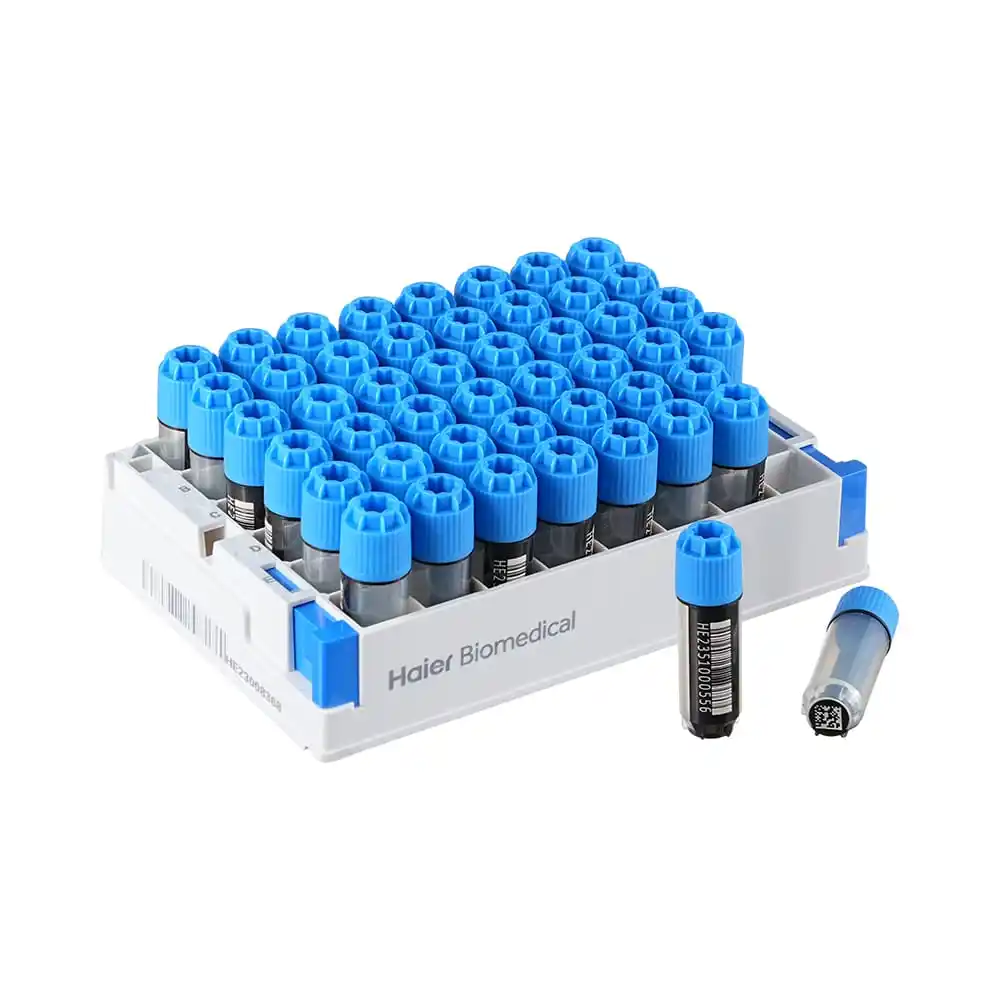
Proper storage and handling of PCR strips is fundamental to maintaining the integrity and reliability of molecular biology experiments. These delicate consumables require specific environmental conditions and careful handling protocols to preserve their functionality and prevent contamination that could compromise experimental results. Understanding the critical factors that affect PCR strip performance enables laboratories to implement effective storage strategies that maximize product lifespan and ensure consistent amplification outcomes.
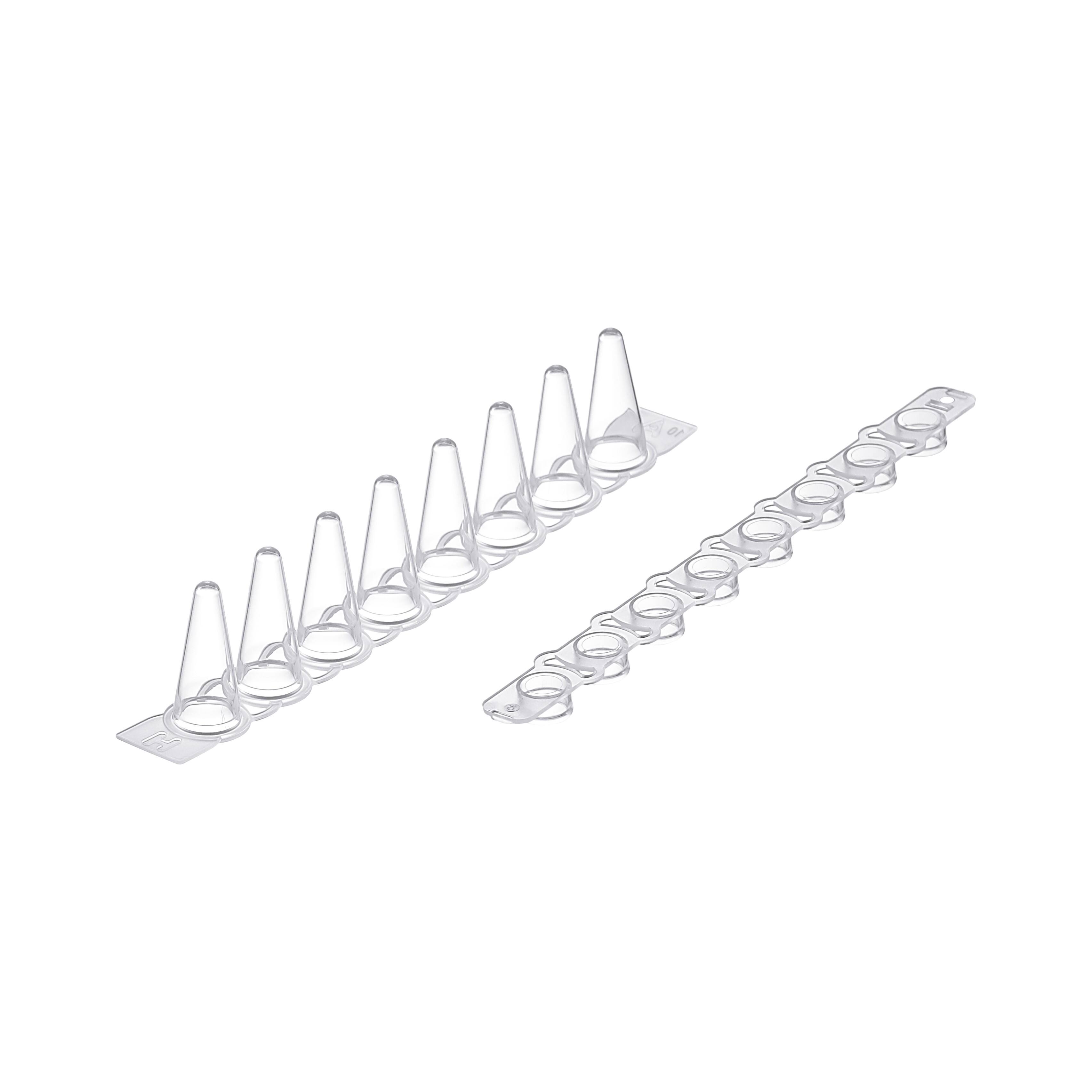
Laboratory professionals must recognize that PCR strips are precision-engineered vessels designed to withstand thermal cycling conditions while maintaining sample integrity. The thin-walled construction that enables efficient heat transfer also makes these consumables susceptible to physical damage and contamination when not handled appropriately. Implementing comprehensive storage and handling protocols protects the investment in these essential laboratory supplies while ensuring reproducible experimental outcomes across multiple PCR runs.
Environmental Storage Requirements for PCR Strips
Temperature Control and Stability
Maintaining proper temperature conditions is crucial for preserving the structural integrity of PCR strips during storage. These consumables should be stored at room temperature in a controlled environment, typically between 15°C and 25°C, to prevent thermal stress that could affect the plastic material properties. Extreme temperature fluctuations can cause expansion and contraction cycles that may compromise the precise dimensions required for optimal thermal contact in PCR cyclers.
Avoid storing PCR strips in areas subject to direct sunlight or near heat sources such as incubators, autoclaves, or heating vents. Temperature variations can also affect the optical clarity of the tube walls, which is particularly important when using PCR strips with optical caps for real-time PCR applications. Laboratories should monitor storage area temperatures regularly and maintain consistent conditions to preserve product quality over extended periods.
Cold storage is generally not recommended for PCR strips unless specifically indicated by the manufacturer. Refrigeration can introduce moisture condensation issues when bringing the consumables to room temperature, potentially creating contamination risks. Additionally, prolonged exposure to cold temperatures may alter the flexibility of the plastic material, affecting the sealing properties when caps are applied.
Humidity and Moisture Management
Controlling humidity levels in storage areas is essential for maintaining the quality of PCR strips and preventing moisture-related contamination. The ideal storage environment should maintain relative humidity between 40% and 60% to minimize the risk of condensation while preventing excessive drying that could affect plastic properties. High humidity conditions can lead to water droplet formation inside unused PCR strips, creating potential contamination sources and interfering with sample preparation procedures.
Moisture control becomes particularly critical in coastal or humid climates where environmental conditions naturally favor condensation formation. Laboratories should consider using dehumidifiers or climate control systems to maintain stable humidity levels in storage areas. Sealed storage containers with desiccant packs can provide additional protection for PCR strips in challenging environmental conditions, ensuring that moisture exposure is minimized throughout the storage period.
Regular monitoring of humidity levels using calibrated hygrometers helps laboratories maintain optimal storage conditions. Documentation of environmental parameters creates a quality assurance record that can be valuable for troubleshooting experimental issues or meeting regulatory compliance requirements in clinical or research settings.
Light and UV Protection
Protecting PCR strips from prolonged light exposure, particularly ultraviolet radiation, preserves the material properties and prevents degradation that could affect performance. UV light can cause photodegradation of plastic polymers, leading to brittleness and potential cracking under thermal cycling stress. Storage areas should minimize direct fluorescent lighting exposure and completely eliminate UV light sources that could compromise the integrity of these sensitive consumables.
Opaque storage containers or cabinets provide excellent protection against light-induced degradation while maintaining easy access to PCR strips inventory. Many laboratories utilize dedicated storage cabinets with solid doors specifically designed for protecting light-sensitive laboratory consumables. These storage solutions combine light protection with organized inventory management systems that facilitate efficient laboratory workflows.
Consider the cumulative effects of light exposure during storage, handling, and preparation phases of PCR experiments. While PCR strips are designed to withstand normal laboratory lighting conditions during use, minimizing unnecessary light exposure during storage extends their functional lifespan and maintains consistent performance characteristics over time.
Physical Handling Protocols and Safety Measures
Contamination Prevention Strategies
Implementing strict contamination prevention protocols is fundamental to maintaining the reliability of PCR strips throughout handling and storage procedures. Laboratory personnel should always wear appropriate personal protective equipment, including powder-free gloves, when handling PCR strips to prevent transfer of oils, salts, and potential contaminants from skin contact. Changing gloves between different batches or lots of PCR strips helps prevent cross-contamination that could compromise experimental results.
Establish designated work areas for PCR strip preparation that are regularly cleaned and decontaminated using appropriate cleaning agents. These areas should be separate from general laboratory activities and equipped with laminar flow hoods or similar air filtration systems when possible. The use of dedicated tools and pipettes for PCR strip handling prevents contamination from other laboratory procedures and maintains the sterility required for sensitive molecular biology applications.
Training laboratory personnel in proper handling techniques is essential for maintaining contamination control standards. This includes instruction on proper grip techniques that minimize contact with the interior surfaces of PCR strips, correct cap removal and replacement procedures, and awareness of potential contamination sources in the laboratory environment. Regular refresher training ensures that best practices are consistently followed across all laboratory personnel.
Mechanical Damage Prevention
PCR strips require careful handling to prevent mechanical damage that could affect their performance during thermal cycling. The thin-walled construction that enables efficient heat transfer also makes these consumables vulnerable to cracking, puncturing, or deformation from excessive force or improper handling techniques. Laboratory personnel should handle PCR strips with gentle, controlled movements and avoid squeezing or applying pressure to the tube walls.
Proper support during handling is crucial, particularly when working with 8-strip or 12-strip formats that may be more prone to flexing under their own weight when filled with samples. Use appropriate tube racks or holding devices that provide adequate support without applying excessive clamping force that could deform the tube geometry. Avoid dropping or impacting PCR strips against hard surfaces, as this can create microscopic cracks that may not be immediately visible but could lead to failure during thermal cycling.
Inspect PCR strips for visible damage before use, including cracks, scratches, or deformation that could affect sealing or thermal contact. Damaged strips should be discarded immediately to prevent potential sample loss or cross-contamination during PCR runs. Establishing a quality control checkpoint for visual inspection creates a systematic approach to identifying potentially problematic consumables before they can affect experimental outcomes.
Sterile Handling Techniques
Maintaining sterile conditions during PCR strip handling is critical for preventing microbial contamination that could interfere with PCR amplification or introduce false positive results. Use sterile techniques when opening packaging and transferring PCR strips to work areas, including the use of sterilized forceps or tweezers when direct handling is necessary. Avoid touching the interior surfaces of PCR strips or caps, as this can introduce contaminants that may not be eliminated by standard PCR preparation procedures.
Consider the use of individual packaging or sterile wrapping for PCR strips when extended exposure to laboratory environments is anticipated. This approach provides additional protection against airborne contaminants and allows for controlled sterile opening at the time of use. Some laboratories implement UV sterilization protocols for work surfaces and tools used in PCR strip preparation, though care must be taken to avoid excessive UV exposure that could damage the plastic materials.
Establish clear protocols for handling PCR strips that have been compromised or potentially exposed to contaminants. This includes procedures for quarantining questionable inventory, documentation requirements for tracking contamination incidents, and decision trees for determining when PCR strips should be discarded rather than used for critical experiments.
Inventory Management and Quality Assurance
Lot Tracking and Expiration Management
Effective inventory management of PCR strips requires systematic lot tracking and expiration date monitoring to ensure that consumables are used within their specified shelf life. Implement a first-in, first-out (FIFO) rotation system that prioritizes the use of older inventory while maintaining separate storage for different lot numbers to enable traceability in case of quality issues. Digital inventory systems can automate expiration date alerts and provide real-time visibility into PCR strips stock levels and aging profiles.
Document lot numbers and expiration dates for all PCR strips used in experiments to enable retrospective analysis if performance issues are identified. This documentation becomes particularly valuable when troubleshooting failed amplifications or inconsistent results that may be traced back to specific manufacturing lots. Maintain separate records for different PCR strip formats and specifications to ensure that the appropriate consumables are selected for specific experimental requirements.
Establish clear protocols for handling PCR strips that are approaching expiration dates, including accelerated usage schedules for soon-to-expire inventory and procedures for testing performance before critical applications. Some laboratories conduct periodic performance validation using expired PCR strips to determine actual functional lifespan under their specific storage conditions, though this should never replace adherence to manufacturer-specified expiration dates for important experiments.
Storage Organization Systems
Implementing organized storage systems for PCR strips improves inventory accessibility while maintaining proper storage conditions and preventing damage from searching through disorganized supplies. Use dedicated storage racks or drawer systems that accommodate different PCR strip formats without requiring excessive handling to access specific items. Clear labeling systems should identify PCR strip specifications, lot numbers, and expiration dates to facilitate quick selection of appropriate consumables.
Consider the workflow implications of storage organization, positioning frequently used PCR strips in easily accessible locations while maintaining appropriate storage conditions. Vertical storage orientations generally provide better protection against dust accumulation and accidental damage compared to horizontal stacking arrangements. Modular storage systems allow for expansion and reorganization as laboratory needs evolve while maintaining consistent storage environment control.
Implement regular inventory audits that verify the condition of stored PCR strips and identify any environmental issues in storage areas. These audits should include visual inspection of packaging integrity, verification of storage condition parameters, and documentation of any issues that could affect product quality. Regular auditing creates opportunities to optimize storage arrangements and identify potential improvements to handling procedures.
Quality Control Monitoring
Establish quality control monitoring procedures that track PCR strips performance over time and identify potential degradation trends that could indicate storage or handling issues. This monitoring should include documentation of amplification success rates, thermal cycling performance, and any observable changes in PCR strip appearance or handling characteristics. Trending analysis of quality metrics can provide early warning of environmental control problems or handling procedure deficiencies.
Consider implementing periodic performance testing using standard PCR reactions to verify that stored PCR strips maintain their specified performance characteristics. This testing becomes particularly valuable for critical applications where PCR failure could have significant consequences, such as clinical diagnostics or important research projects. Performance testing protocols should be standardized and documented to ensure consistent evaluation criteria across different testing periods.
Maintain calibration records for environmental monitoring equipment used to track storage conditions for PCR strips. Regular calibration of temperature and humidity sensors ensures accurate monitoring of critical storage parameters and provides confidence in the environmental data used to validate storage condition compliance. Documentation of calibration activities supports quality assurance programs and regulatory compliance requirements in regulated laboratory environments.
Common Storage Mistakes and Prevention Strategies
Temperature and Environmental Errors
One of the most common mistakes in PCR strips storage involves exposure to temperature extremes that can compromise plastic material properties and dimensional stability. Laboratories frequently make the error of storing PCR strips near heat-generating equipment or in areas subject to temperature fluctuations from HVAC systems. These temperature variations can cause repeated expansion and contraction cycles that gradually degrade the precise fit required between PCR strips and thermal cycler blocks, leading to poor thermal contact and inconsistent amplification results.
Another significant environmental error involves neglecting humidity control in storage areas, particularly in laboratories located in humid climates or areas with poor ventilation. Excessive humidity can lead to condensation formation inside PCR strips, creating contamination risks and potentially interfering with sample preparation procedures. Conversely, extremely dry conditions can cause static electricity buildup that attracts dust and particles to PCR strips surfaces, creating additional contamination risks during handling.
Prevention strategies include implementing continuous environmental monitoring systems with alarm capabilities for out-of-range conditions. Establish backup environmental control procedures for power outages or equipment failures that could disrupt storage conditions. Regular calibration of monitoring equipment ensures accurate detection of environmental problems before they can affect PCR strips quality, while written protocols provide clear guidance for responding to environmental control system failures.
Contamination Control Failures
Contamination control failures represent another major category of PCR strips storage mistakes that can have serious consequences for experimental reliability. Common errors include inadequate hand hygiene when handling PCR strips, using the same gloves across multiple handling sessions without changing them, and failing to maintain separate storage areas for different types of laboratory consumables. Cross-contamination can occur when PCR strips are stored in proximity to potentially contaminated materials or in areas where aerosols from other laboratory procedures may settle.
Packaging integrity failures often go unnoticed but can compromise the sterility of PCR strips before they are used. Damaged packaging, improper resealing of opened packages, and exposure to laboratory air currents can introduce contaminants that may not become apparent until PCR experiments produce unexpected results. Additionally, using non-sterile tools or work surfaces when handling PCR strips can transfer contaminants directly to the consumables, bypassing other contamination control measures.
Implementing comprehensive contamination control protocols requires establishing dedicated PCR preparation areas with appropriate air filtration and regular cleaning schedules. Training programs should emphasize proper aseptic technique and provide regular updates on contamination control best practices. Regular monitoring of contamination control effectiveness through environmental sampling and negative control testing helps identify system weaknesses before they compromise experimental outcomes.
Inventory Management Oversights
Poor inventory management practices can lead to the use of expired or degraded PCR strips that may not perform reliably in critical applications. Common mistakes include failing to implement proper lot rotation systems, inadequate tracking of expiration dates, and mixing different lots of PCR strips without maintaining traceability records. These oversights can result in using suboptimal consumables for important experiments or being unable to identify the source of performance problems when they occur.
Storage organization problems frequently compound inventory management issues, making it difficult to locate specific PCR strips formats or causing damage during handling when supplies are disorganized. Overstocking can lead to expired inventory waste, while understocking can force laboratories to use inappropriate PCR strips formats or rush orders that may not arrive in time for critical experiments. Additionally, failing to maintain proper documentation of storage conditions and handling procedures makes it difficult to troubleshoot problems or verify compliance with quality standards.
Prevention strategies include implementing digital inventory tracking systems that provide automated alerts for approaching expiration dates and maintain complete traceability records. Regular inventory audits should verify the accuracy of tracking systems and identify any PCR strips that may have been damaged or compromised during storage. Establishing minimum stock levels and reorder points helps ensure adequate supply availability while minimizing the risk of maintaining excessive inventory that may expire before use.
FAQ
How long can PCR strips be stored at room temperature?
PCR strips can typically be stored at room temperature for their full shelf life as specified by the manufacturer, usually 2-3 years from the production date when maintained in proper storage conditions. The actual storage duration depends on environmental factors such as temperature stability, humidity control, and protection from light exposure. Manufacturers conduct extensive stability testing to determine shelf life under standard storage conditions, so following their guidelines ensures optimal performance. However, laboratories should always verify expiration dates and avoid using PCR strips beyond their specified shelf life, regardless of storage conditions.
What temperature range is considered safe for storing PCR strips?
The safe temperature range for storing PCR strips is typically between 15°C and 25°C (59°F to 77°F), with minimal temperature fluctuations to prevent thermal stress. Temperatures above 30°C (86°F) may begin to affect the plastic material properties and dimensional stability, while temperatures below 10°C (50°F) are generally unnecessary and may introduce condensation risks when bringing the strips to room temperature. Avoid storage areas subject to direct sunlight, proximity to heating equipment, or significant temperature variations from HVAC systems. Consistent temperature control within the recommended range preserves PCR strips integrity and ensures reliable performance during thermal cycling.
Can damaged packaging affect PCR strips quality?
Yes, damaged packaging can significantly compromise PCR strips quality by exposing them to contaminants, moisture, dust, and other environmental factors that may interfere with PCR performance. Packaging damage can occur during shipping, handling, or storage and may not always be immediately visible. Even small punctures or tears can allow airborne particles and microorganisms to enter the packaging, potentially contaminating the sterile interior surfaces of PCR strips. Always inspect packaging integrity before use and discard any PCR strips from damaged packages rather than risk experimental failure or contamination. Proper handling and storage practices help minimize packaging damage and preserve product sterility.
Is it necessary to use sterile technique when handling PCR strips?
Sterile technique is highly recommended when handling PCR strips to prevent contamination that could interfere with amplification reactions or produce false positive results. While PCR strips are typically supplied sterile and some PCR applications may tolerate minor contamination levels, maintaining sterile handling practices ensures consistent results and prevents contamination-related experimental failures. This includes wearing powder-free gloves, using sterile tools when necessary, avoiding contact with interior surfaces of tubes and caps, and working in clean, designated preparation areas. The investment in proper sterile technique is minimal compared to the cost and time lost from failed PCR experiments due to contamination issues.