
 EN
EN



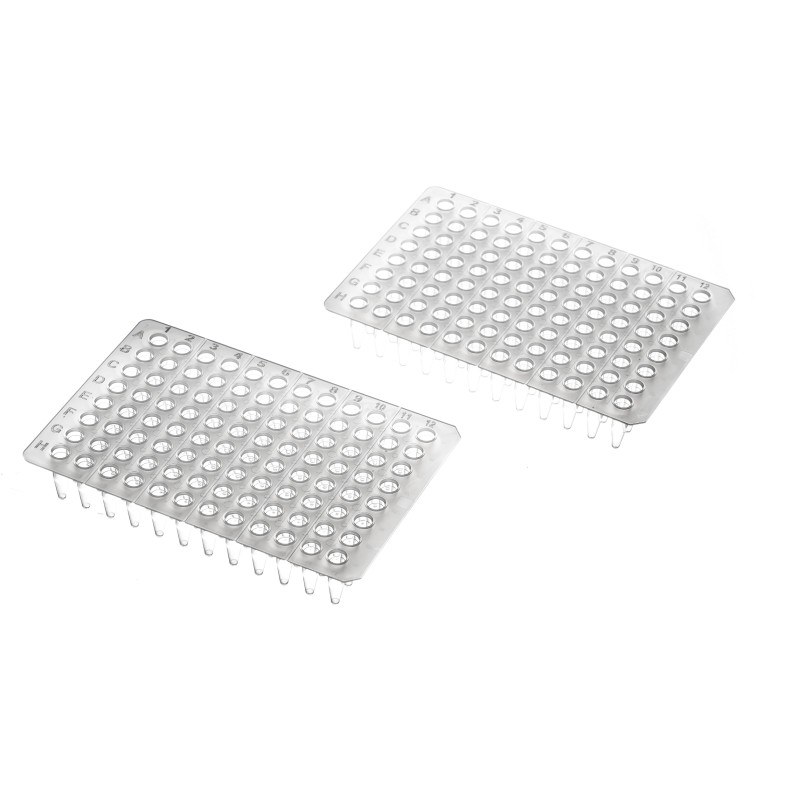
When selecting PCR plates for your laboratory applications, understanding the critical features that distinguish high-quality products from standard alternatives becomes essential for achieving reliable and reproducible results. Modern molecular biology laboratories depend heavily on the performance characteristics of PCR plates to ensure accurate amplification, minimize contamination risks, and maintain consistent thermal cycling efficiency across diverse experimental protocols.
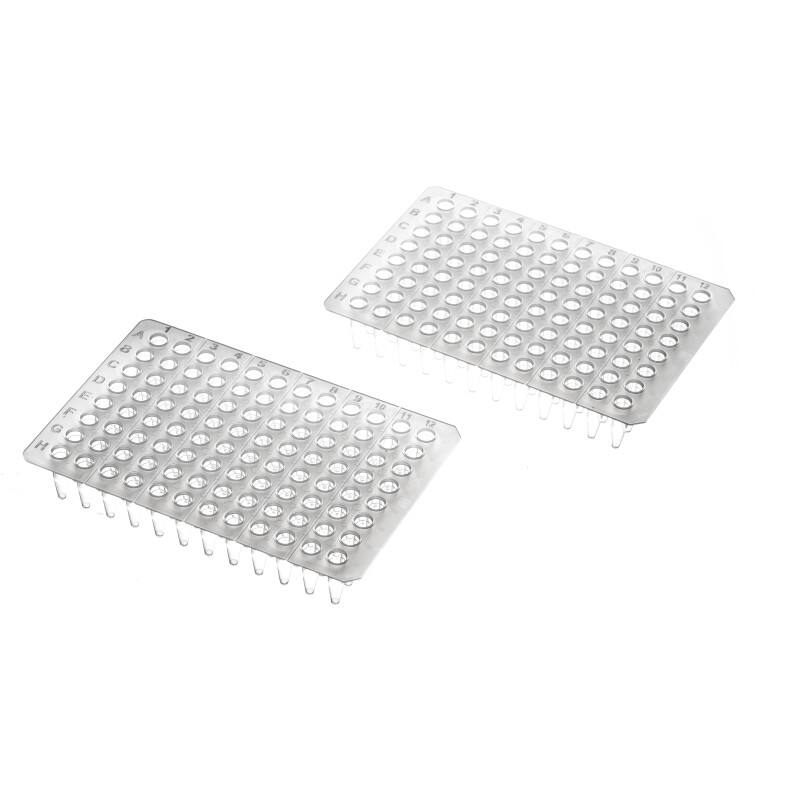
The quality of PCR plates directly impacts experimental success rates, data integrity, and overall laboratory productivity. High-quality PCR plates incorporate advanced material engineering, precise manufacturing tolerances, and specialized surface treatments that optimize thermal conductivity, reduce evaporation losses, and prevent cross-contamination between wells. These design considerations become particularly crucial when working with sensitive samples, high-throughput screening applications, or quantitative PCR protocols where measurement accuracy determines experimental validity.
Material Composition and Thermal Properties
Polymer Selection and Heat Transfer Characteristics
Premium PCR plates utilize specialized polymer formulations that maximize thermal conductivity while maintaining structural integrity throughout repeated heating and cooling cycles. The most effective materials combine polypropylene or polyethylene bases with additives that enhance heat transfer properties, ensuring uniform temperature distribution across all wells during thermal cycling. This uniform heat distribution prevents temperature gradients that can lead to inconsistent amplification efficiency and compromised experimental results.
The wall thickness of high-quality PCR plates represents a critical balance between thermal responsiveness and structural durability. Thinner walls facilitate rapid heat transfer and shorter cycle times, while maintaining sufficient strength to withstand mechanical stress during handling and automated processing. Advanced manufacturing processes enable consistent wall thickness across all wells, eliminating thermal variations that could affect amplification uniformity.
Chemical Resistance and Compatibility
Superior PCR plates demonstrate exceptional resistance to common laboratory chemicals, including organic solvents, acids, bases, and enzymatic solutions used in molecular biology applications. This chemical resistance prevents material degradation, surface contamination, and potential leaching of inhibitory compounds that could interfere with PCR reactions. The polymer matrix must remain stable across the full temperature range encountered during thermal cycling, from sub-zero storage temperatures to cycling temperatures exceeding 95 degrees Celsius.
Compatibility with automated liquid handling systems requires PCR plates to maintain dimensional stability and surface properties that support accurate pipetting and dispensing operations. High-quality plates resist warping, cracking, or surface modifications that could affect robotic positioning accuracy or create seal integrity issues with thermal cycler blocks.
Well Design and Geometry Optimization
Volume Capacity and Shape Engineering
The well design of premium PCR plates incorporates carefully engineered geometries that optimize reaction volume utilization while minimizing evaporation losses and promoting efficient mixing during thermal cycling. Standard well volumes typically range from 0.1 mL to 0.2 mL, with precise dimensional tolerances that ensure consistent reaction volumes across all wells within a plate and between different production batches.
Well shape optimization focuses on creating smooth, curved bottom surfaces that eliminate sharp corners where air bubbles might become trapped or where incomplete mixing could occur. The conical or rounded well bottoms facilitate complete sample recovery and reduce dead volume losses, particularly important when working with precious or limited sample quantities. Additionally, the well depth must accommodate various reaction volumes while maintaining optimal thermal contact with heating blocks.
Surface Treatment and Optical Properties
Advanced surface treatments applied to high-quality PCR plates enhance specific performance characteristics depending on the intended application. For standard PCR applications, surfaces may receive treatments that reduce DNA binding and minimize sample loss through adsorption. These treatments create uniform, low-binding surfaces that maintain consistent reaction conditions and improve recovery efficiency of amplified products.
When PCR plates are intended for real-time or quantitative applications, optical properties become critically important. High-quality plates designed for fluorescence detection incorporate materials and surface treatments that minimize background fluorescence, reduce optical crosstalk between adjacent wells, and provide consistent optical transmission characteristics. The well walls must be sufficiently transparent for accurate fluorescence measurement while maintaining the structural integrity required for thermal cycling.
Contamination Prevention and Sealing Systems
Cross-Contamination Mitigation Features
Premium PCR plates incorporate design elements specifically engineered to prevent cross-contamination between wells, which represents one of the most critical quality considerations for reliable molecular biology applications. Well-to-well isolation relies on adequate wall thickness, precise manufacturing tolerances, and specialized sealing interfaces that create vapor-tight barriers during thermal cycling operations.
The spacing between wells must provide sufficient material thickness to prevent thermal or chemical communication while maintaining compatibility with standard pipetting systems and automated handling equipment. High-quality PCR plates achieve this balance through precise injection molding processes that create uniform wall structures with consistent thickness distributions and smooth surface finishes that support effective sealing.
Sealing Compatibility and Vapor Containment
Effective sealing systems for PCR plates require precise dimensional control of well rim geometry to ensure consistent contact with sealing films, adhesive sheets, or individual cap systems. The well rim design must create a uniform sealing surface that accommodates thermal expansion and contraction cycles without compromising seal integrity or allowing vapor escape that could lead to sample concentration changes.
High-quality PCR plates maintain sealing effectiveness across multiple thermal cycles, preventing condensation formation that could cause cross-contamination or volume losses. The plate design must accommodate various sealing options, from heat-sealable films to pressure-sensitive adhesive covers, while maintaining compatibility with automated sealing equipment commonly used in high-throughput laboratory environments.
Manufacturing Quality and Consistency Standards
Precision Manufacturing and Tolerance Control
The manufacturing processes used for premium PCR plates employ advanced injection molding techniques with tight tolerance control to ensure dimensional consistency across all wells and between production batches. This consistency becomes particularly important for automated applications where precise positioning and uniform thermal contact are essential for reliable results. Manufacturing quality control systems monitor critical dimensions, surface finish characteristics, and material properties to maintain batch-to-batch reproducibility.
Quality manufacturing processes also address potential contamination sources during production, implementing clean room environments and sterile packaging protocols that prevent introduction of DNA, RNA, or enzymatic contaminants that could interfere with PCR reactions. Pre-sterilization treatments using gamma radiation or other validated methods ensure that PCR plates arrive ready for immediate use without requiring additional cleaning or preparation steps.
Batch Validation and Traceability Systems
High-quality PCR plate manufacturers implement comprehensive batch validation protocols that test representative samples from each production run for critical performance parameters. These validation procedures typically include thermal cycling stress tests, optical property measurements, chemical resistance evaluations, and contamination screening to ensure consistent product quality and performance reliability.
Traceability systems enable laboratories to track individual plates back to specific production batches, facilitating quality investigations if performance issues arise and supporting regulatory compliance requirements in pharmaceutical and clinical applications. This traceability becomes particularly valuable when troubleshooting experimental problems or validating method performance across different PCR plate lots.
Automation Compatibility and Handling Characteristics
Robotic System Integration
Modern laboratory workflows increasingly rely on automated systems for sample preparation, thermal cycling, and post-PCR analysis, making automation compatibility a critical feature of high-quality PCR plates. These plates must maintain precise dimensional tolerances that ensure accurate positioning within robotic handling systems, thermal cyclers, and detection instruments throughout the experimental workflow.
The structural design of premium PCR plates incorporates reinforcement features that prevent flexing or deformation during automated handling operations while maintaining the thin-wall construction necessary for efficient heat transfer. Standardized footprint dimensions ensure compatibility with multiple instrument platforms, reducing the need for specialized adapters or modifications to existing automated systems.
Stacking and Storage Considerations
High-quality PCR plates feature design elements that support efficient storage and inventory management in laboratory environments. Stacking features must provide stable plate-to-plate contact without creating stress points that could lead to cracking or deformation over time. The stacking design should also prevent plates from binding together too tightly, which could complicate separation during use.
Storage stability requires PCR plates to maintain their dimensional and performance characteristics under various environmental conditions, including temperature fluctuations, humidity changes, and extended storage periods. Premium plates incorporate materials and designs that resist warping, brittleness, or other degradation modes that could affect performance after prolonged storage or repeated handling cycles.
FAQ
What is the typical shelf life of high-quality PCR plates?
High-quality PCR plates typically have a shelf life of 3-5 years when stored under appropriate conditions, including controlled temperature and humidity environments away from direct sunlight and chemical vapors. The actual shelf life depends on the specific polymer materials used, storage conditions, and packaging integrity. Most manufacturers provide expiration dating based on validated stability studies that demonstrate maintained performance characteristics over the specified time period.
How do I verify the thermal uniformity of PCR plates before critical experiments?
Thermal uniformity can be verified by running test reactions with identical templates and primers across multiple wells, then comparing amplification efficiency and product yield. For more rigorous testing, thermal imaging during actual cycling can reveal temperature variations across the plate surface. Some laboratories use temperature-sensitive dyes or standardized control reactions to validate uniform heating before processing valuable samples, particularly when transitioning to new plate lots or suppliers.
Can PCR plates be reused safely for different experiments?
PCR plates are designed for single-use applications and should not be reused for different experiments due to contamination risks and potential performance degradation. Even thorough cleaning and sterilization procedures cannot guarantee complete removal of DNA, RNA, or protein residues that could interfere with subsequent reactions. The thermal stress from initial use may also compromise material properties, affecting sealing effectiveness and thermal transfer characteristics in subsequent applications.
What environmental factors affect PCR plate performance during storage?
Temperature extremes, humidity fluctuations, exposure to UV light, and contact with chemical vapors can all affect PCR plate performance during storage. High temperatures may cause warping or changes in material properties, while very low temperatures could make plates brittle and prone to cracking. Humidity variations can affect packaging integrity and potentially introduce moisture that compromises sterility. Proper storage in controlled laboratory environments with stable temperature and humidity conditions helps maintain optimal plate performance throughout the shelf life.