
 EN
EN



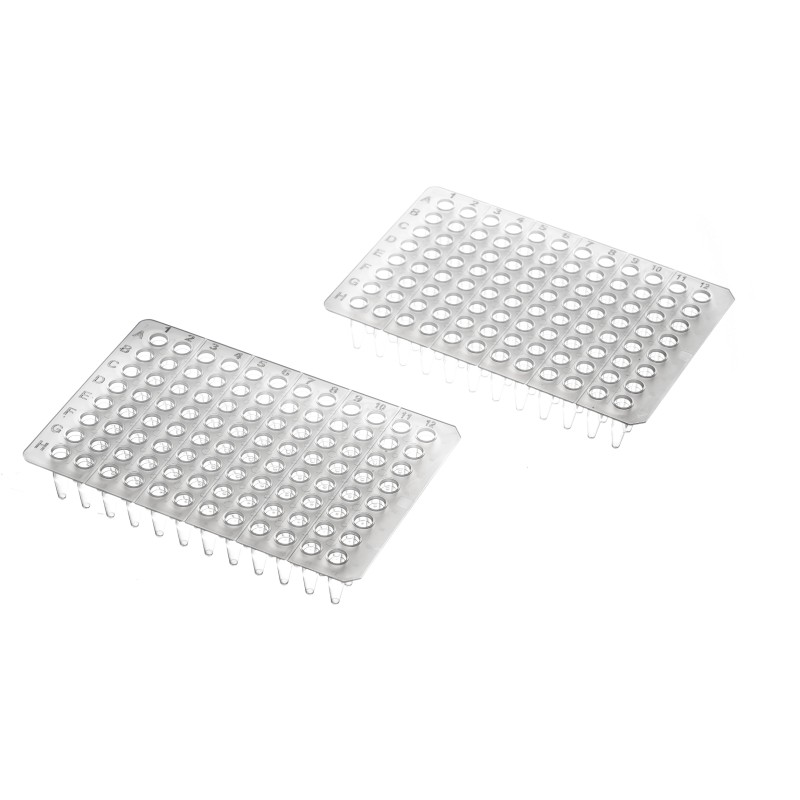
Laboratory automation has revolutionized molecular biology workflows by transforming time-intensive manual processes into efficient, reproducible operations. Central to this transformation are PCR plates, specialized consumables that serve as the foundation for high-throughput polymerase chain reaction applications. These precision-engineered vessels enable laboratories to process hundreds of samples simultaneously while maintaining the exacting standards required for accurate amplification and analysis.
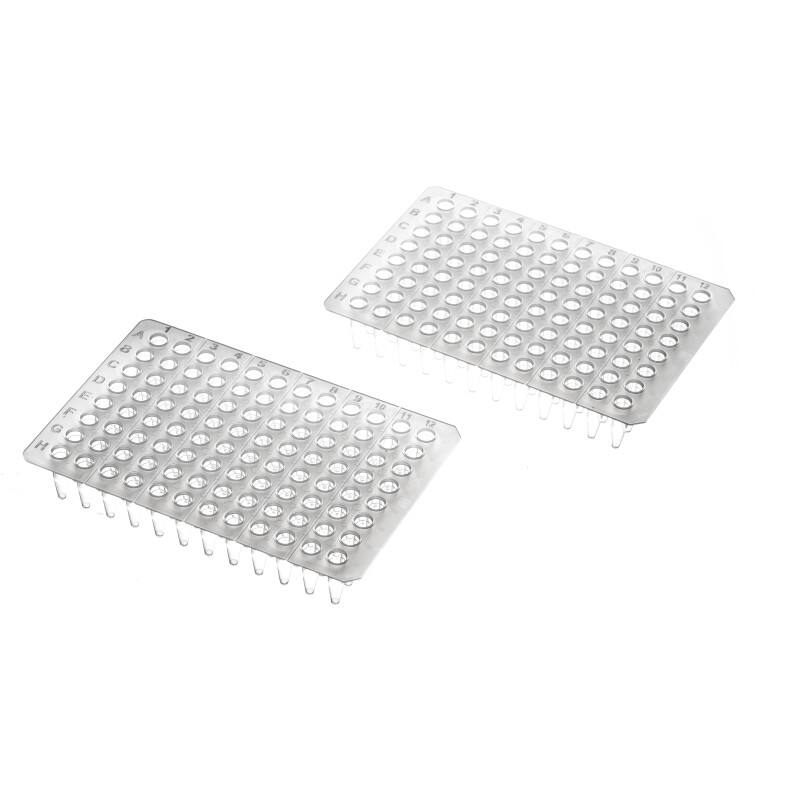
The integration of PCR plates into automated laboratory systems represents a critical workflow enhancement that addresses the growing demands of modern molecular diagnostics, research facilities, and biotechnology applications. By understanding how these consumables facilitate automated workflows, laboratory professionals can optimize their operations to achieve greater throughput, reduce human error, and maintain consistent quality across large-scale sample processing operations.
Physical Design Features That Enable Automation Compatibility
Standardized Dimensions and Well Spacing
PCR plates are manufactured to precise dimensional specifications that ensure seamless integration with automated liquid handling systems, thermal cyclers, and robotic platforms. The standard 96-well format follows Society for Biomolecular Screening guidelines, with well centers spaced exactly 9 millimeters apart in both directions. This standardization allows automated pipetting systems to accurately target each well without calibration adjustments between different plate brands or batches.
The uniform well depth and diameter specifications ensure consistent volume dispensing across all positions, critical for maintaining reaction uniformity in automated workflows. Modern PCR plates incorporate raised well rims that facilitate proper sealing with automated capping systems, preventing contamination and evaporation during thermal cycling processes. These design elements work together to eliminate the variability that could compromise automated operations.
Advanced PCR plates feature beveled well bottoms that promote complete liquid recovery during automated aspiration steps, maximizing sample utilization and reducing waste. The smooth interior surfaces minimize liquid retention, ensuring accurate volume transfers that are essential for quantitative applications in automated laboratory environments.
Material Properties Supporting Robotic Handling
The polymer composition of PCR plates directly impacts their performance in automated workflows through mechanical stability and thermal conductivity characteristics. High-quality polypropylene formulations provide the rigidity necessary for precise robotic gripping while maintaining flexibility to withstand repeated handling cycles without cracking or deformation.
Automated systems rely on consistent plate dimensions for proper positioning within thermal cyclers and detection systems. PCR plates manufactured with tight tolerance controls ensure that automated equipment can reliably position samples for optimal heat transfer and optical reading. The material thickness is engineered to provide rapid thermal equilibration while maintaining structural integrity during temperature cycling.
Anti-static treatments applied to modern PCR plates prevent dust accumulation and reduce handling issues in automated environments. These treatments ensure clean optical surfaces for fluorescence detection while preventing sample cross-contamination that could occur from electrostatic charge buildup during robotic manipulation.
Integration With Liquid Handling Automation Systems
Automated Reagent Dispensing Capabilities
Modern liquid handling workstations utilize PCR plates as precision dispensing targets, enabling accurate delivery of master mix, samples, and additives across multiple wells simultaneously. The well geometry of PCR plates is optimized to accommodate various pipetting tip sizes while preventing tip contact with well bottoms, maintaining sterility throughout the dispensing process.
Automated dispensing systems can process entire PCR plates in minutes, compared to hours required for manual preparation. The consistent well-to-well spacing allows multi-channel pipettors to deliver identical volumes across rows or columns, ensuring reaction uniformity that is critical for comparative studies and high-throughput screening applications.
Volume verification systems integrated with automated liquid handlers monitor dispensing accuracy in real-time, using the optical properties of PCR plates to detect proper fill levels. This quality control capability prevents costly run failures and ensures reliable results across large sample batches, making PCR plates indispensable components of quality-controlled automated workflows.
Sample Tracking and Barcode Integration
PCR plates designed for automated workflows incorporate features that support comprehensive sample tracking throughout the laboratory process. Barcode-compatible surfaces allow automated readers to maintain sample chain-of-custody while reducing transcription errors associated with manual data entry. These tracking capabilities integrate seamlessly with Laboratory Information Management Systems to provide complete workflow documentation.
Automated sample management systems utilize the standardized footprint of PCR plates to enable robotic storage, retrieval, and processing without human intervention. Temperature-controlled storage systems can accommodate multiple PCR plates while maintaining proper sample integrity, supporting batch processing workflows that maximize equipment utilization.
The integration of RFID tags or 2D barcodes directly onto PCR plates enables automated workflow systems to track individual plates through complex multi-step processes. This capability supports audit trail requirements while reducing the manual oversight traditionally required for sample management in high-throughput operations.
Thermal Cycling Integration and Heat Transfer Optimization
Automated Thermal Cycler Loading Systems
Robotic thermal cycler loading systems rely on the precise dimensions and handling features of PCR plates to enable continuous processing capabilities. Automated loaders can queue multiple plates for sequential processing, maximizing instrument utilization while reducing labor requirements. The standardized plate footprint ensures compatibility across different thermal cycler models within automated laboratory environments.
Advanced PCR plates incorporate features that facilitate automated sealing and unsealing operations, critical for preventing evaporation and contamination during thermal cycling. Automated sealing systems apply uniform pressure across the entire plate surface, ensuring consistent seal integrity that maintains reaction volumes throughout extended cycling protocols.
The thermal mass characteristics of PCR plates are engineered to work optimally with automated thermal cyclers that utilize rapid heating and cooling rates. This optimization reduces cycle times while maintaining temperature uniformity across all wells, enabling high-throughput processing without compromising reaction efficiency or specificity.
Temperature Control and Uniformity
PCR plates facilitate automated workflows through superior heat transfer properties that ensure uniform temperature distribution across all well positions. The thin-walled construction minimizes thermal gradients while providing the mechanical strength necessary for automated handling. This combination enables consistent amplification results regardless of well position, critical for reliable high-throughput applications.
Automated thermal management systems utilize the predictable thermal properties of PCR plates to optimize heating and cooling profiles for maximum efficiency. The consistent thermal mass of individual wells allows automated systems to calculate precise timing for temperature transitions, reducing overall cycle times while maintaining reaction quality.
Quality control systems integrated with automated thermal cyclers monitor temperature uniformity across PCR plates in real-time, ensuring that all samples receive identical thermal treatment. This capability prevents the temperature-related variations that could compromise quantitative results in automated high-throughput workflows.
Detection System Compatibility and Optical Properties
Real-Time PCR Detection Integration
Automated real-time PCR systems require PCR plates with specific optical properties that enable accurate fluorescence detection throughout thermal cycling. The clear polymer construction and smooth well bottoms provide optimal light transmission while minimizing background fluorescence that could interfere with signal detection. These optical characteristics are critical for maintaining detection sensitivity in automated applications.
The well geometry of PCR plates is designed to position samples at the optimal focal distance for automated detection systems, ensuring consistent signal strength across all well positions. This uniformity enables automated data collection systems to apply identical analysis parameters across entire plates, streamlining data processing workflows.
Advanced PCR plates incorporate low-fluorescence materials that reduce optical interference while maintaining the transparency necessary for multi-color detection applications. This capability supports complex multiplexed assays in automated workflows where multiple targets must be detected simultaneously across large sample sets.
Automated Data Collection and Analysis
PCR plates enable automated data collection by providing consistent optical interfaces that detection systems can reliably interrogate without manual adjustment. The standardized well positions allow automated scanning systems to collect fluorescence data from all samples using predetermined coordinates, eliminating the variability associated with manual positioning.
Automated analysis software utilizes the known geometry of PCR plates to apply consistent baseline correction and threshold calculations across all wells. This standardization enables high-throughput quantitative analysis while maintaining the accuracy required for diagnostic and research applications.
The integration of PCR plates with automated detection systems supports real-time monitoring capabilities that provide immediate feedback on reaction progress. This capability enables dynamic protocol adjustment and quality control measures that optimize workflow efficiency while maintaining result reliability.
Workflow Efficiency and Quality Control Benefits
Throughput Enhancement Through Batch Processing
PCR plates transform laboratory productivity by enabling batch processing capabilities that dramatically increase sample throughput compared to individual tube processing. Automated systems can process multiple 96-well plates simultaneously, scaling laboratory capacity to handle hundreds or thousands of samples per day. This scaling capability addresses the growing demands of clinical diagnostics, pharmaceutical research, and genomics applications.
The standardized format of PCR plates allows automated systems to process different assay types using identical handling protocols, maximizing equipment utilization and reducing setup times. This versatility enables laboratories to maintain high throughput across diverse application areas while minimizing the operational complexity associated with multiple consumable formats.
Automated workflow systems utilize PCR plates to implement parallel processing strategies that optimize resource utilization throughout the laboratory. Multiple plates can progress through different workflow stages simultaneously, creating continuous processing pipelines that maximize laboratory efficiency while reducing sample turnaround times.
Error Reduction and Reproducibility
The integration of PCR plates into automated workflows significantly reduces human error by eliminating manual pipetting and sample handling steps. Automated liquid handling systems deliver precise volumes with accuracy levels that exceed manual techniques, while robotic plate handling prevents cross-contamination and sample mix-ups that can compromise result quality.
Automated systems utilizing PCR plates implement quality control measures that continuously monitor workflow performance, detecting deviations that could impact result reliability. These monitoring capabilities include volume verification, temperature logging, and optical quality checks that ensure consistent processing conditions across all samples.
The reproducibility achieved through automated PCR plate processing enables laboratories to implement standardized protocols that deliver consistent results regardless of operator or processing time. This standardization supports regulatory compliance requirements while reducing the variability that can compromise comparative studies and longitudinal research projects.
FAQ
What makes PCR plates compatible with automated liquid handling systems?
PCR plates are manufactured to precise dimensional specifications with standardized well spacing that matches automated pipetting system coordinates. The uniform well depth, smooth surfaces, and appropriate rim height enable accurate volume dispensing and prevent tip damage during automated operations. Additionally, the material properties provide sufficient rigidity for robotic handling while maintaining the flexibility needed for sealing operations.
How do PCR plates maintain sample integrity during automated thermal cycling?
PCR plates facilitate sample integrity through thin-walled construction that ensures rapid heat transfer and temperature uniformity across all wells. The material composition provides chemical resistance to prevent sample degradation while maintaining structural stability throughout repeated heating and cooling cycles. Automated sealing systems work with plate rim designs to prevent evaporation and contamination during thermal cycling processes.
Can PCR plates be integrated with different brands of automated laboratory equipment?
Yes, PCR plates manufactured to Society for Biomolecular Screening standards are compatible with automated equipment from multiple manufacturers. The standardized 96-well format with 9mm well spacing ensures compatibility across different liquid handlers, thermal cyclers, and detection systems. However, specific applications may require plates with particular optical or thermal properties optimized for certain equipment types.
What quality control measures ensure reliable automated PCR plate processing?
Automated PCR plate processing incorporates multiple quality control measures including real-time volume monitoring during liquid dispensing, temperature uniformity verification during thermal cycling, and optical quality checks for detection applications. Barcode tracking systems maintain sample chain-of-custody while automated data collection systems monitor reaction progress and flag any deviations from expected parameters, ensuring consistent and reliable processing across large sample batches.
Table of Contents
- Physical Design Features That Enable Automation Compatibility
- Integration With Liquid Handling Automation Systems
- Thermal Cycling Integration and Heat Transfer Optimization
- Detection System Compatibility and Optical Properties
- Workflow Efficiency and Quality Control Benefits
-
FAQ
- What makes PCR plates compatible with automated liquid handling systems?
- How do PCR plates maintain sample integrity during automated thermal cycling?
- Can PCR plates be integrated with different brands of automated laboratory equipment?
- What quality control measures ensure reliable automated PCR plate processing?