
 EN
EN



Proper storage and contamination control protocols are fundamental to maintaining the integrity and performance of PCR plates in laboratory environments. When PCR plates are not handled with appropriate care, laboratories risk compromised experimental results, cross-contamination between samples, and significant financial losses from failed assays. These specialized microplates require specific environmental conditions and handling procedures to preserve their sterile state and ensure consistent amplification results across all wells.
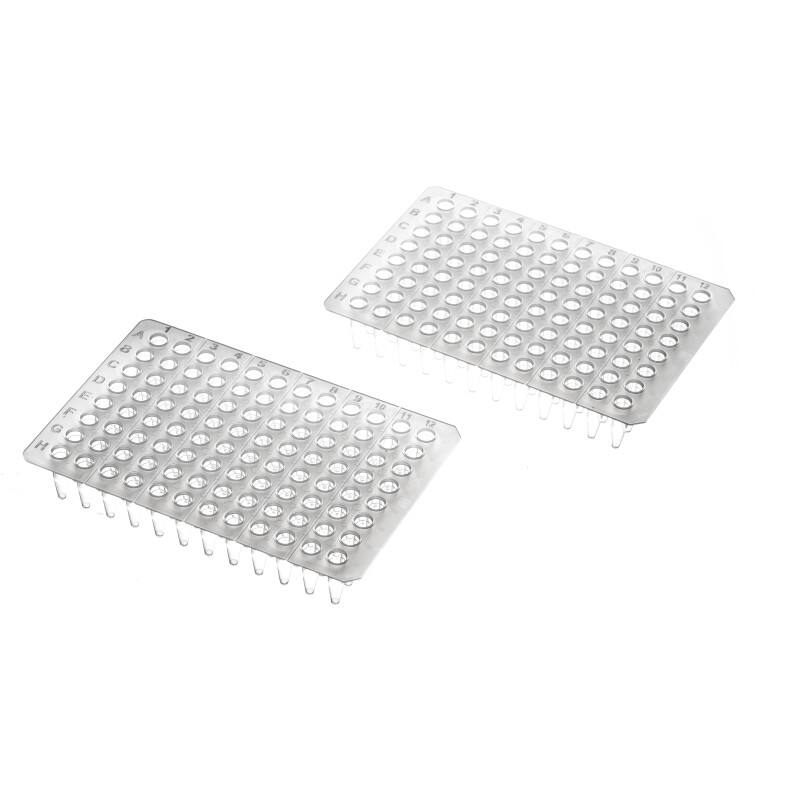
Laboratory professionals working with molecular biology applications understand that contamination control extends far beyond basic cleanliness protocols. The microscopic nature of nucleic acid amplification means that even trace amounts of foreign DNA, RNA, or enzymatic inhibitors can completely derail PCR reactions. Implementing comprehensive storage and contamination prevention strategies for PCR plates directly impacts experimental reliability, reproducibility, and overall laboratory efficiency.
Environmental Storage Requirements for PCR Plates
Temperature and Humidity Control Parameters
PCR plates require controlled environmental conditions to maintain their structural integrity and prevent degradation of plastic polymers. The optimal storage temperature range for most PCR plates falls between 15°C and 25°C, with relative humidity levels maintained below 60%. Excessive heat can cause warping or deformation of individual wells, while extreme cold may make the plastic brittle and prone to cracking during handling.
Humidity control plays an equally critical role in PCR plates storage protocols. High humidity environments promote condensation formation, which can lead to water droplets settling on plate surfaces or inside wells. This moisture creates ideal conditions for microbial growth and can introduce contaminants that interfere with downstream PCR applications. Laboratory storage areas should incorporate dehumidification systems when ambient humidity exceeds recommended levels.
Temperature fluctuations pose another significant risk to stored PCR plates. Rapid temperature changes can cause expansion and contraction of the plate material, potentially compromising well-to-well uniformity and thermal conductivity properties. Climate-controlled storage cabinets provide the most reliable solution for maintaining stable environmental conditions over extended periods.
Protection from Light and Chemical Exposure
Ultraviolet light exposure can degrade the polymer materials used in PCR plates manufacturing, leading to increased background fluorescence and reduced optical clarity. Storage areas should minimize direct sunlight exposure and avoid fluorescent lighting when possible. Many laboratories utilize amber-colored storage containers or cabinets with UV-filtering properties to provide additional protection for sensitive PCR plates.
Chemical vapors present in laboratory environments can adsorb onto PCR plates surfaces, creating potential sources of contamination or PCR inhibition. Volatile organic compounds, cleaning solvents, and preservatives commonly found in laboratory settings may accumulate on plate surfaces during extended storage periods. Sealed storage containers or dedicated storage rooms with proper ventilation systems help minimize exposure to airborne chemical contaminants.
The selection of storage containers themselves requires careful consideration. Materials should be chemically inert and non-reactive with PCR plates. Cardboard packaging may release lignin compounds or other organic materials that could interfere with sensitive molecular assays. Food-grade plastic containers or specialized laboratory storage systems provide superior protection against chemical contamination.
Sterile Handling and Transfer Protocols
Aseptic Technique Implementation
Maintaining sterile conditions during PCR plates handling requires strict adherence to aseptic techniques throughout all transfer and preparation procedures. Laboratory personnel should work within laminar flow hoods or biological safety cabinets whenever possible, creating positive air pressure environments that prevent airborne contaminants from settling on plate surfaces. The workspace surface should be decontaminated with appropriate disinfectants before and after each PCR plates handling session.
Hand hygiene protocols extend beyond standard washing procedures when working with PCR plates. Even after thorough handwashing, skin cells, oils, and residual soap compounds can transfer to plate surfaces through direct contact. Powder-free nitrile or latex gloves provide essential barrier protection, but gloves themselves require proper handling to avoid cross-contamination between different plate batches or experimental groups.
The sequence of operations during PCR plates preparation significantly impacts contamination risk. Opening multiple plate packages simultaneously increases the potential for cross-contamination, as airborne particles can settle on exposed surfaces. Working with one plate at a time and maintaining organized workspace layouts minimize exposure duration and reduce contamination opportunities.
Tools and Equipment Decontamination
Laboratory tools used in conjunction with PCR plates require rigorous decontamination protocols to prevent introduction of foreign nucleic acids or enzymatic inhibitors. Pipettes, multichannel dispensers, and plate handling tools should undergo thorough cleaning with nuclease-free reagents between different experimental setups. UV irradiation provides an additional decontamination step for tools that can withstand UV exposure without degradation.
Centrifuges used for spinning down PCR plates present unique contamination challenges due to the enclosed rotor environment and potential for aerosol generation. Rotor buckets and adapters should be cleaned and UV-treated between uses, particularly when processing samples with high nucleic acid concentrations. Regular maintenance schedules help ensure that centrifuge components remain free from accumulated contaminants.
Thermal cyclers themselves can become sources of contamination if not properly maintained. Sample spillage, condensation accumulation, and inadequate cleaning between runs can lead to carryover contamination affecting subsequent PCR plates. Implementing thorough cleaning protocols for thermal cycler blocks and heated lids prevents these issues from compromising experimental results.
Contamination Prevention During Sample Preparation
Workspace Organization and Workflow Design
Effective contamination control for PCR plates begins with systematic workspace organization that minimizes cross-contamination opportunities during sample preparation phases. Laboratory benches should be arranged to create distinct zones for different activities, including separate areas for PCR plates unpacking, reagent preparation, sample loading, and waste disposal. This spatial separation prevents accidental contact between contaminated materials and sterile PCR plates.
Workflow sequencing plays a crucial role in maintaining PCR plates sterility throughout sample preparation procedures. Processing negative controls and blank samples before handling positive controls or high-concentration templates reduces the risk of carryover contamination. Many laboratories implement unidirectional workflow patterns, where materials move from clean areas toward progressively more contaminated zones without backtracking.
Surface decontamination protocols should be integrated into routine workflow procedures rather than treated as separate maintenance tasks. Regular application of nuclease-degrading solutions and UV irradiation helps eliminate residual nucleic acids that might contaminate subsequent PCR plates. Work surfaces require decontamination not only between different experiments but also during extended sample preparation sessions.
Reagent Handling and Storage Protocols
Reagents used with PCR plates can introduce contamination through several pathways, including nuclease activity, inhibitory compounds, and microbial growth. Master mix preparation should occur in dedicated areas using sterile techniques, with aliquoting procedures that minimize repeated freeze-thaw cycles. Small-volume aliquots reduce contamination risk by limiting the number of times stock solutions are accessed and exposed to laboratory air.
Buffer and salt solutions require particular attention during PCR plates applications, as these reagents often support microbial growth when stored improperly. Sterile filtration of aqueous solutions provides essential protection against bacterial and fungal contamination, while proper pH adjustment prevents degradation of PCR plates materials. Reagent storage containers should be selected for their chemical compatibility and ability to maintain sterile conditions over time.
Quality control testing of reagents helps identify potential contamination issues before they affect PCR plates performance. Regular testing of water sources, buffer solutions, and enzymatic components using sensitive detection methods can reveal low-level contamination that might not be apparent in routine applications. Establishing reagent validation protocols prevents contaminated materials from compromising PCR plates experiments.
Long-term Storage Solutions and Inventory Management
Packaging Systems for Extended Storage
Long-term storage of PCR plates requires packaging systems that provide multiple layers of protection against environmental contaminants and physical damage. Individual plate packaging should maintain sterile barriers while allowing for easy identification and access. Heat-sealed plastic pouches offer excellent protection against moisture and airborne contaminants, while transparent materials enable visual inspection without opening packages.
Bulk storage containers for multiple PCR plates should incorporate desiccant materials to control moisture levels and prevent condensation formation during temperature fluctuations. Silica gel packets or molecular sieves provide effective moisture control without releasing chemical vapors that might contaminate plate surfaces. Container materials should be selected for their low outgassing properties and resistance to temperature variations.
Vacuum packaging systems offer additional protection for PCR plates during extended storage periods by removing air and potential contaminants from package environments. However, vacuum packaging requires careful consideration of plate structural integrity, as excessive vacuum pressure can cause deformation of thin-walled plates. Modified atmosphere packaging with inert gases provides an alternative approach that maintains protective environments without mechanical stress.
Inventory Rotation and Quality Monitoring
Proper inventory management for PCR plates includes systematic rotation procedures that ensure older stock is utilized before newer shipments. First-in-first-out rotation prevents extended storage beyond manufacturer recommendations and reduces the risk of material degradation. Clear labeling systems with receipt dates and expiration information facilitate proper inventory rotation and help identify plates that require priority use.
Regular quality monitoring of stored PCR plates helps identify potential degradation or contamination issues before they affect experimental results. Visual inspection protocols should check for physical damage, discoloration, or foreign material accumulation on plate surfaces. Performance testing using standard PCR protocols can reveal subtle changes in plate characteristics that might not be apparent through visual inspection alone.
Documentation systems for PCR plates inventory should track storage conditions, handling history, and quality assessment results throughout the storage period. Electronic record-keeping systems enable trend analysis and help identify environmental factors that may impact plate quality over time. Comprehensive documentation supports troubleshooting efforts when experimental problems arise and helps optimize storage protocols for specific laboratory conditions.
FAQ
How long can PCR plates be safely stored before their performance degrades?
PCR plates can typically be stored for 2-3 years under proper conditions without significant performance degradation. However, storage duration depends heavily on environmental factors such as temperature stability, humidity control, and protection from light exposure. Plates stored in original packaging under controlled conditions generally maintain their specifications longer than those exposed to variable laboratory environments. Regular quality testing helps determine actual shelf life under specific storage conditions.
What are the most critical contamination sources to control when working with PCR plates?
The most critical contamination sources include airborne nucleic acids from previous experiments, skin cells and oils from direct handling, cleaning reagent residues on work surfaces, and cross-contamination between samples during pipetting procedures. Environmental dust, microbial growth in reagents, and degraded plastic particles from old laboratory equipment also pose significant risks. Implementing comprehensive aseptic techniques and maintaining dedicated workspace areas effectively addresses these primary contamination pathways.
Can PCR plates be reused after proper decontamination procedures?
PCR plates are designed as single-use items and should not be reused even after extensive decontamination procedures. The plastic materials and well geometries cannot be adequately cleaned to remove all traces of previous samples, and repeated exposure to cleaning agents may degrade the plate structure. Reusing PCR plates creates significant risks of cross-contamination and compromised experimental results that far outweigh any potential cost savings from reuse attempts.
What should be done if contamination is suspected in stored PCR plates?
If contamination is suspected in stored PCR plates, the affected stock should be immediately isolated and quarantined to prevent spread to uncontaminated inventory. Conduct thorough testing using sensitive detection methods to confirm contamination presence and identify the specific contaminant type. Review storage conditions and handling procedures to identify the contamination source and implement corrective measures. Contaminated plates should be disposed of according to laboratory waste protocols, and storage areas should be decontaminated before restocking with new inventory.
Table of Contents
- Environmental Storage Requirements for PCR Plates
- Sterile Handling and Transfer Protocols
- Contamination Prevention During Sample Preparation
- Long-term Storage Solutions and Inventory Management
-
FAQ
- How long can PCR plates be safely stored before their performance degrades?
- What are the most critical contamination sources to control when working with PCR plates?
- Can PCR plates be reused after proper decontamination procedures?
- What should be done if contamination is suspected in stored PCR plates?