
 EN
EN



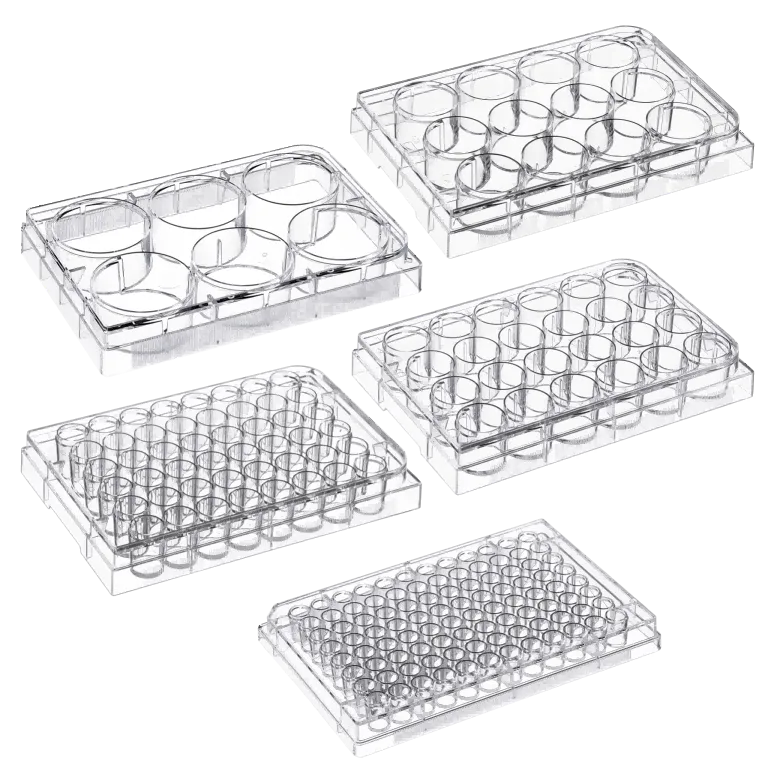
Selecting the appropriate multiwell cell culture plates is a critical decision that directly impacts experimental outcomes, data quality, and research efficiency in cell biology laboratories. The choice of multiwell cell culture plates affects cell attachment, growth characteristics, optical clarity for imaging, and overall experimental reproducibility. Understanding the key factors that influence plate performance helps researchers make informed decisions that align with their specific experimental requirements and budget constraints.
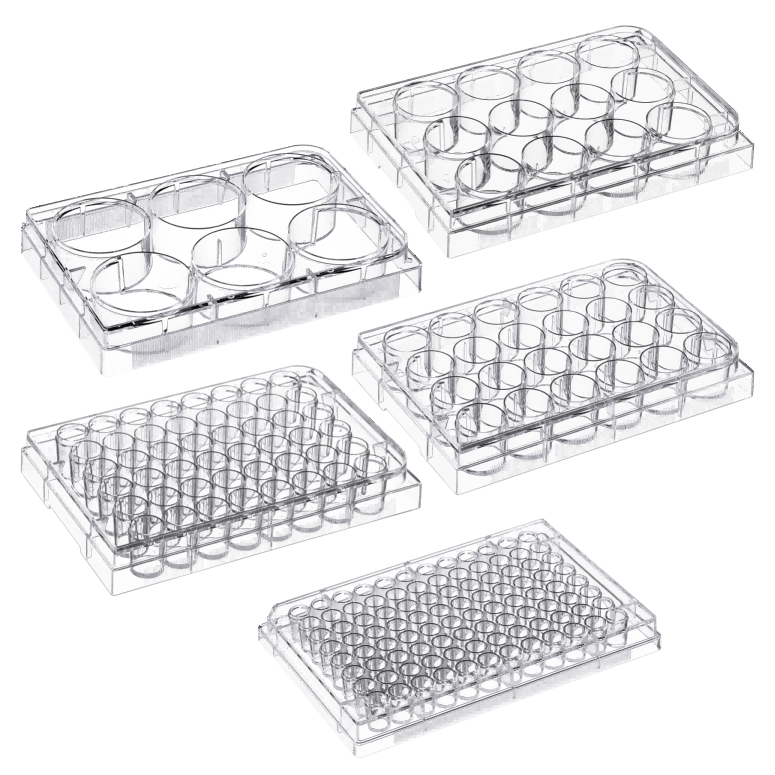
The market offers numerous options for multiwell cell culture plates, each designed to meet different experimental needs and applications. From standard tissue culture treated surfaces to specialized coatings for challenging cell types, the selection process requires careful consideration of multiple technical and practical factors. This comprehensive evaluation ensures that researchers invest in multiwell cell culture plates that deliver consistent results while supporting their specific experimental protocols and long-term research objectives.
Surface Treatment and Coating Options
Standard Tissue Culture Treatment
Standard tissue culture treated multiwell cell culture plates undergo plasma treatment to create a negatively charged, hydrophilic surface that promotes cell attachment and spreading. This treatment modifies the polystyrene surface by incorporating oxygen-containing functional groups, enhancing the surface energy and making it more suitable for most adherent cell lines. The consistency of this treatment across different manufacturers varies, affecting cell attachment efficiency and growth patterns.
When evaluating standard treated multiwell cell culture plates, consider the uniformity of treatment across all wells within a plate and between different production batches. Quality manufacturers implement stringent quality control measures to ensure consistent surface properties, which directly impacts experimental reproducibility. The wettability of the surface, measured by contact angle, serves as an indicator of treatment quality and should remain consistent across the entire plate surface.
Standard treated surfaces work well for most common cell lines including HeLa, HEK293, CHO, and primary fibroblasts. However, some fastidious cell types may require additional surface modifications or specialized coatings to achieve optimal attachment and growth. Understanding your cell line's specific requirements helps determine whether standard treatment is sufficient or if specialized coatings are necessary.
Specialized Surface Coatings
Specialized coatings on multiwell cell culture plates address the needs of challenging cell types that require specific surface interactions for proper attachment and function. Collagen coatings provide a more physiologically relevant surface for primary cells and stem cells, while poly-L-lysine offers enhanced attachment for neurons and other difficult-to-culture cells. These coatings must be applied uniformly and maintain stability throughout the culture period.
The choice of coating depends on the specific cell type and experimental objectives. Laminin-coated multiwell cell culture plates support neural cell culture and stem cell applications, while fibronectin coatings enhance attachment for endothelial cells and other matrix-dependent cell types. Each coating has specific storage requirements and shelf life considerations that impact procurement and inventory management decisions.
When selecting coated multiwell cell culture plates, verify the coating density, uniformity, and stability under your specific culture conditions. Some coatings may be sensitive to pH changes, temperature fluctuations, or specific media components, potentially affecting experimental outcomes. Understanding these limitations helps prevent coating-related issues that could compromise experimental results.
Well Configuration and Volume Considerations
Well Number and Layout Options
The selection of well configuration in multiwell cell culture plates depends on experimental design requirements, sample throughput needs, and available incubator space. Six-well plates provide large surface areas suitable for protein extraction, RNA isolation, and microscopy applications requiring significant cell numbers. Twelve-well plates offer a balance between surface area and sample number, making them ideal for dose-response studies and comparative experiments.
Twenty-four-well and forty-eight-well multiwell cell culture plates serve medium-throughput applications where moderate sample numbers are required with reasonable cell yields per well. These configurations work well for transfection experiments, drug screening assays, and comparative studies where statistical power requires multiple replicates. The well spacing must accommodate pipetting techniques and automated handling systems used in the laboratory.
Ninety-six-well and higher density multiwell cell culture plates enable high-throughput screening applications and large-scale comparative studies. However, the reduced well volume and surface area limit the types of downstream analyses that can be performed. Consider whether the experimental endpoints require cell harvesting, protein extraction, or other procedures that benefit from larger cell populations.
Working Volume and Media Requirements
Working volume considerations for multiwell cell culture plates impact media costs, evaporation rates, and edge effects that can influence cell growth uniformity. Larger wells require more media volume, increasing reagent costs but providing better buffering capacity and more stable culture conditions. Smaller wells reduce reagent consumption but may be more susceptible to evaporation and concentration changes during extended culture periods.
Edge effects in multiwell cell culture plates result from differential evaporation rates between peripheral and central wells, leading to concentration gradients and uneven cell growth. This phenomenon is more pronounced in smaller well formats and can be mitigated through proper humidification, media volume optimization, and strategic experimental design. Understanding these effects helps in planning appropriate controls and data interpretation strategies.
The recommended working volumes for different well configurations should guide media preparation and pipetting protocols. Overfilling wells can cause cross-contamination between adjacent wells, while underfilling may lead to inadequate cell coverage and poor growth conditions. Optimal volume ranges ensure proper meniscus formation and minimize the risk of spillage during handling and incubation.
Optical Properties and Imaging Compatibility
Bottom Thickness and Clarity Requirements
The bottom thickness of multiwell cell culture plates significantly affects optical clarity and compatibility with microscopy applications. Standard plates typically feature bottoms ranging from 0.7mm to 1.2mm thickness, which may not provide optimal optical properties for high-resolution imaging or specialized microscopy techniques. Imaging-grade multiwell cell culture plates feature thinner bottoms (typically 0.17mm) that approach coverslip thickness for improved optical performance.
Optical clarity requirements vary depending on the imaging modality and magnification used in experiments. Phase contrast microscopy requires minimal optical distortion and uniform thickness across the well bottom, while fluorescence microscopy demands low autofluorescence materials and excellent optical transmission. Confocal microscopy applications benefit from coverslip-bottom multiwell cell culture plates that provide optimal working distances for high-numerical-aperture objectives.
The material composition affects optical properties, with some plastics exhibiting autofluorescence that interferes with fluorescent protein detection or fluorescent probe applications. High-quality multiwell cell culture plates use optical-grade polystyrene or specialized polymers that minimize background fluorescence while maintaining excellent optical clarity across the visible and near-infrared spectrum.
Compatibility with Automated Systems
Automated imaging and liquid handling systems require multiwell cell culture plates with specific dimensional tolerances and bottom characteristics. The plate footprint must conform to SBS (Society for Biomolecular Screening) standards to ensure compatibility with robotic systems, automated incubators, and high-content imaging platforms. Dimensional consistency between different lots and manufacturers affects system reliability and measurement accuracy.
Bottom flatness specifications become critical when using automated focus systems and high-throughput imaging applications. Variations in bottom thickness or flatness can cause focus drift, uneven illumination, and measurement errors in quantitative imaging experiments. Quality multiwell cell culture plates maintain tight tolerances for bottom thickness and flatness to ensure consistent performance across all wells.
Barcode compatibility and plate identification features support sample tracking and data management in automated systems. Some multiwell cell culture plates include laser-etched identification codes or barcode-readable areas that integrate with laboratory information management systems. These features reduce sample mix-ups and improve traceability in complex experimental workflows.
Sterility and Packaging Considerations
Sterilization Methods and Validation
Sterilization methods for multiwell cell culture plates significantly impact product quality, shelf life, and experimental reliability. Gamma irradiation provides thorough sterilization without heat exposure, preserving plastic properties and surface treatments. However, gamma sterilization can potentially alter surface chemistry or create oxidative species that affect cell culture performance. Understanding the sterilization method helps predict potential impacts on specific applications.
Ethylene oxide (EtO) sterilization offers an alternative method that operates at lower temperatures, potentially better preserving surface treatments and specialized coatings on multiwell cell culture plates. However, EtO residues require adequate outgassing time before use, and some sensitive applications may be affected by residual sterilant. The validation of sterilization effectiveness should include sterility assurance level (SAL) specifications appropriate for cell culture applications.
Some manufacturers offer double-wrapped or individually packaged multiwell cell culture plates that provide additional sterility assurance for critical applications. These packaging options reduce contamination risk during storage and handling but increase costs and waste generation. Consider the balance between sterility assurance and practical laboratory needs when selecting packaging options.
Storage and Shelf Life Factors
Proper storage conditions for multiwell cell culture plates ensure maintained sterility and performance throughout the product shelf life. Temperature fluctuations can affect plastic properties and potentially compromise sterile packaging integrity. Storage in controlled temperature environments, typically between 15-30°C, helps maintain product quality and extends usable shelf life.
Humidity control during storage prevents condensation that could compromise packaging integrity or promote microbial growth on package surfaces. Excessive humidity may also affect the adhesive properties of package seals, potentially allowing contamination. Understanding proper storage requirements helps maintain multiwell cell culture plates in optimal condition until use.
Shelf life considerations include not only sterility maintenance but also surface treatment stability and coating integrity for specialized plates. Some surface treatments or coatings may degrade over time, affecting cell attachment and growth characteristics. Tracking expiration dates and implementing first-in-first-out inventory management ensures optimal performance from multiwell cell culture plates.
Cost-Effectiveness and Quality Balance
Price vs Performance Analysis
Balancing cost and performance when selecting multiwell cell culture plates requires understanding the relationship between price, quality specifications, and experimental requirements. Premium-priced plates often offer superior optical properties, tighter dimensional tolerances, and more consistent surface treatments that justify the additional cost for critical applications. However, standard-grade multiwell cell culture plates may provide adequate performance for routine applications at significant cost savings.
Total cost considerations should include not only the initial plate cost but also media volumes, reagent consumption, and potential rework costs from failed experiments. Higher-quality multiwell cell culture plates may reduce experimental variability and improve success rates, ultimately providing better value despite higher upfront costs. Calculate the total cost per successful experiment rather than just the cost per plate when making purchasing decisions.
Volume purchasing agreements can significantly impact the effective cost of multiwell cell culture plates while ensuring consistent supply and quality. However, balance volume commitments against storage requirements, shelf life limitations, and potential changes in experimental needs. Consider the storage costs and inventory carrying costs when evaluating bulk purchasing options.
Quality Assurance and Certification
Quality certifications for multiwell cell culture plates provide assurance of manufacturing consistency and regulatory compliance. ISO 13485 certification indicates compliance with medical device quality management systems, while USP Class VI certification confirms biological safety for cell culture applications. These certifications represent significant manufacturer investments in quality systems and should influence purchasing decisions for critical applications.
Certificate of analysis documentation provides specific test results for individual lots of multiwell cell culture plates, including sterility testing, dimensional measurements, and surface treatment validation. This documentation supports experimental reproducibility and provides traceability for regulatory submissions or publication requirements. Evaluate the comprehensiveness and reliability of quality documentation when comparing suppliers.
Vendor qualification processes should assess not only product quality but also supply chain reliability, technical support capabilities, and regulatory compliance history. Established suppliers with proven track records in cell culture applications often provide more consistent products and better technical support when issues arise. Consider the total relationship value rather than just product specifications when making supplier selections.
FAQ
How do I determine the right well configuration for my specific experiments?
The optimal well configuration depends on your experimental throughput requirements, downstream analysis needs, and available incubator space. For applications requiring large cell numbers such as protein extraction or Western blotting, choose 6-well or 12-well multiwell cell culture plates. For medium-throughput studies with moderate sample sizes, 24-well or 48-well plates provide good balance. High-throughput screening applications benefit from 96-well or higher density formats, though these limit downstream analysis options due to smaller cell populations per well.
What surface treatment is best for my cell type?
Standard tissue culture treated multiwell cell culture plates work well for most established cell lines including HeLa, HEK293, and CHO cells. Primary cells and stem cells often require specialized coatings such as collagen, laminin, or fibronectin for optimal attachment and growth. Neuronal cultures typically benefit from poly-L-lysine coatings, while endothelial cells may require fibronectin or gelatin coatings. Consult cell line protocols and literature to determine specific surface requirements for your applications.
How important is optical quality for my imaging applications?
Optical quality requirements depend on your microscopy applications and magnification needs. Standard multiwell cell culture plates with 1mm thick bottoms are adequate for routine phase contrast and low-magnification fluorescence imaging. High-resolution applications, confocal microscopy, and quantitative imaging require imaging-grade plates with coverslip-thickness bottoms (0.17mm) for optimal optical performance. Consider the numerical aperture of your objectives and working distance requirements when selecting optical specifications.
What factors should I consider for automated system compatibility?
Automated system compatibility requires multiwell cell culture plates that meet SBS dimensional standards and have appropriate bottom flatness specifications. Consider barcode compatibility for sample tracking, plate rigidity for robotic handling, and bottom thickness consistency for automated focus systems. Verify that your selected plates work with your specific automated equipment and that dimensional tolerances meet system requirements. Some applications may require specialized plates designed specifically for automation platforms.