
 EN
EN



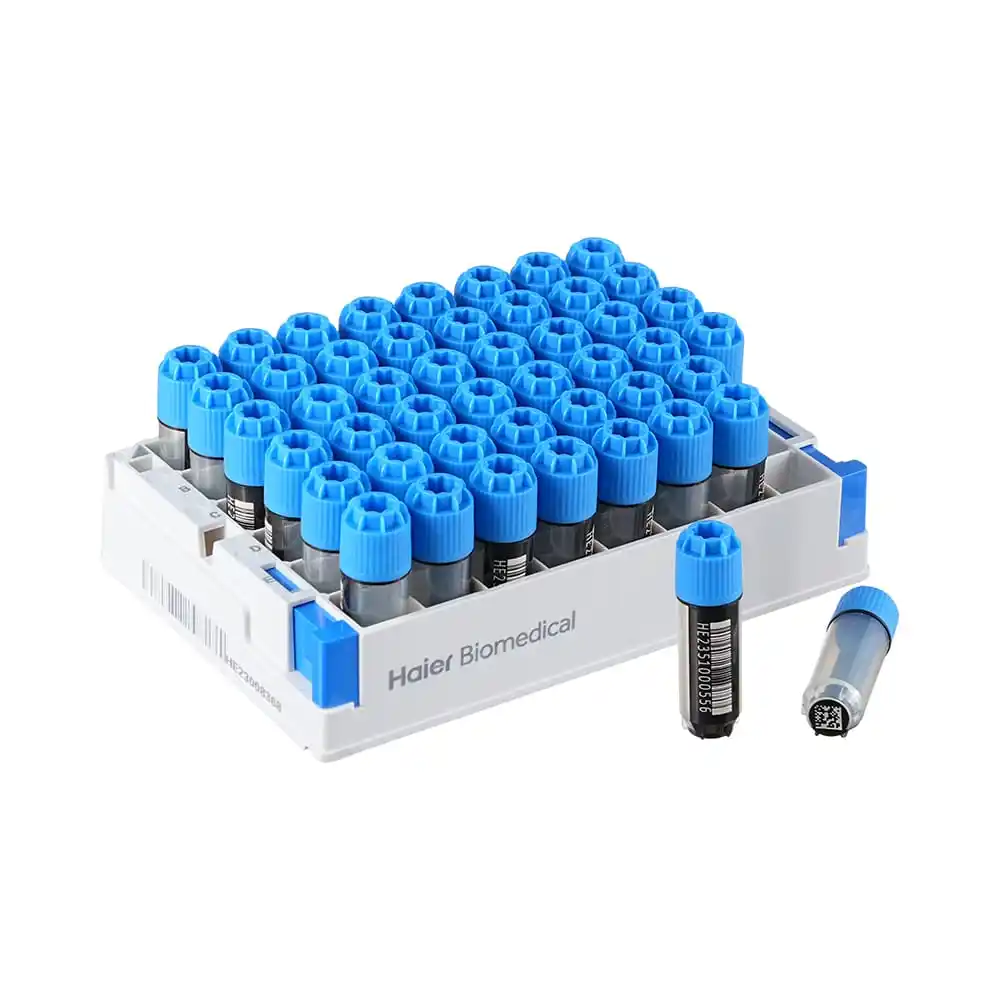
DNA amplification through polymerase chain reaction has revolutionized molecular biology, forensics, and medical diagnostics by enabling researchers to create millions of copies from minute genetic material samples. The success of this critical laboratory process depends heavily on the quality and precision of PCR tubes, which serve as specialized vessels designed to withstand extreme temperature cycling while maintaining sample integrity. Modern molecular laboratories rely on these precisely engineered containers to ensure consistent, contamination-free results across thousands of amplification cycles. Understanding the fundamental role that PCR tubes play in accurate DNA amplification helps laboratory professionals make informed decisions about equipment selection and experimental protocols.
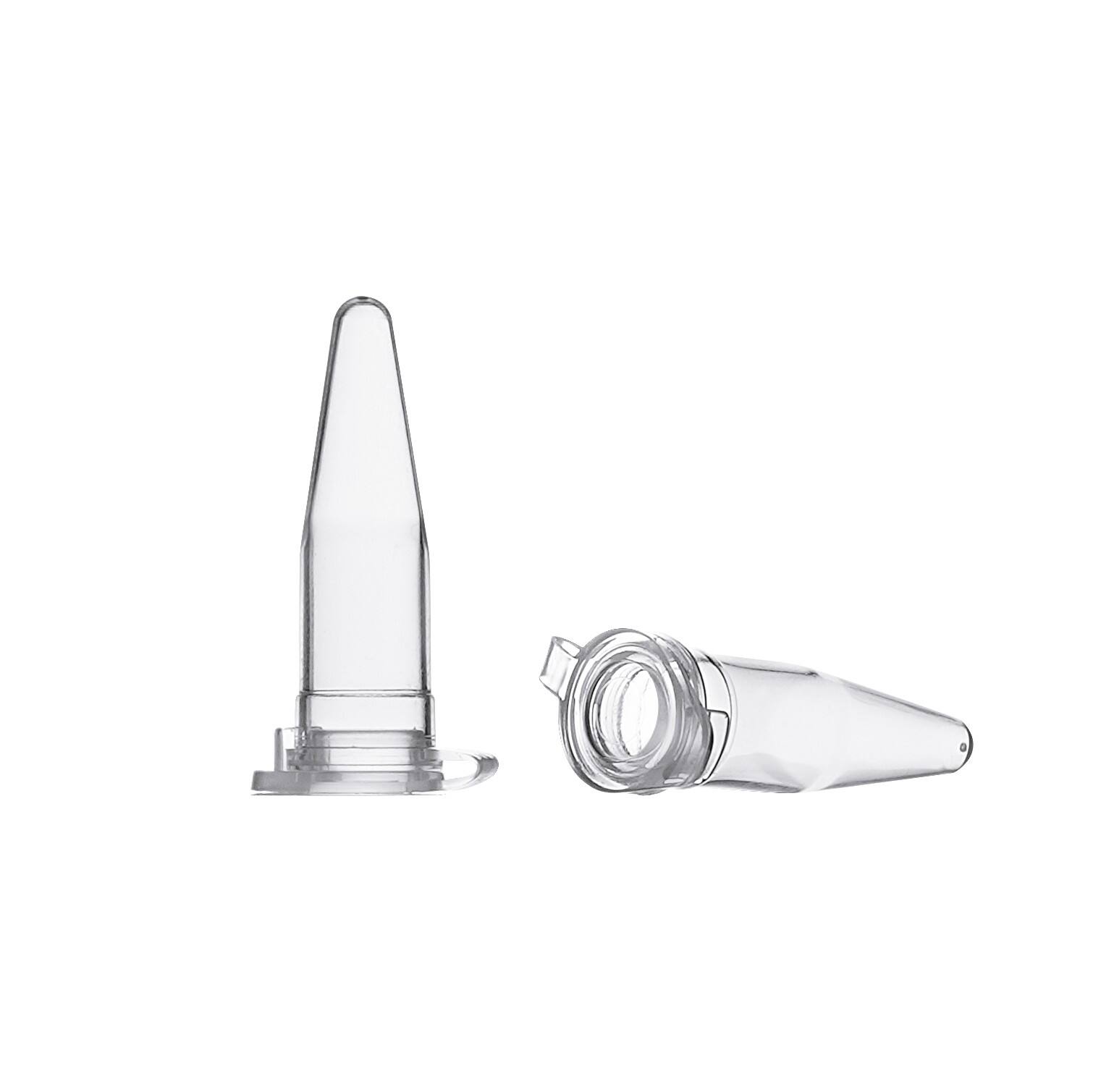
Essential Design Features of PCR Tubes for DNA Amplification
Thermal Cycling Capabilities and Material Engineering
The extraordinary thermal demands of polymerase chain reaction require PCR tubes manufactured from specialized materials that can endure repeated temperature fluctuations between 50°C and 95°C without compromising structural integrity. High-grade polypropylene represents the gold standard for PCR tube construction, offering exceptional thermal conductivity that ensures rapid and uniform heat transfer throughout the sample volume. This material selection proves crucial for maintaining precise temperature control during denaturation, annealing, and extension phases of each amplification cycle. Advanced PCR tubes incorporate ultra-thin walls that facilitate efficient heat exchange while maintaining sufficient mechanical strength to prevent deformation under thermal stress.
Modern PCR tubes feature precisely calibrated wall thickness that optimizes thermal responsiveness without sacrificing durability during automated handling procedures. The molecular structure of premium polypropylene allows these containers to maintain dimensional stability across thousands of thermal cycles, preventing volume changes that could affect reagent concentrations and reaction kinetics. Laboratory-grade PCR tubes undergo rigorous quality testing to ensure consistent performance under extreme temperature variations, with many products certified for use in high-throughput applications requiring exceptional reliability.
Contamination Prevention and Surface Treatment Technologies
Surface contamination represents one of the most significant threats to accurate DNA amplification, making contamination-resistant PCR tubes essential for reliable laboratory results. Advanced surface treatment technologies create ultra-smooth interior surfaces that minimize sample adhesion and reduce the risk of cross-contamination between experiments. DNase and RNase-free manufacturing processes ensure that PCR tubes arrive completely free from nucleic acid degrading enzymes that could compromise sample integrity during amplification reactions.
Premium PCR tubes undergo specialized sterilization procedures that eliminate potential contaminants without introducing chemical residues that might inhibit polymerase activity. The implementation of strict quality control protocols during manufacturing ensures consistent contamination-free performance across entire production batches. Many laboratory-grade PCR tubes feature certified pyrogen-free status, making them suitable for applications requiring the highest levels of sample purity and experimental accuracy.
Optimizing Reaction Conditions Through Proper Tube Selection
Volume Capacity and Sample Distribution Considerations
Proper volume selection in PCR tubes directly influences reaction efficiency and amplification accuracy by determining optimal surface-to-volume ratios for heat transfer and reagent interaction. Standard laboratory PCR tubes typically accommodate reaction volumes ranging from 10 microliters to 200 microliters, with each size optimized for specific experimental requirements and thermal cycler compatibility. The conical bottom design commonly found in high-quality PCR tubes ensures complete sample recovery while minimizing dead volume that could trap reagents and reduce reaction efficiency.
Low-profile PCR tubes offer enhanced thermal conductivity through reduced sample height, enabling faster temperature equilibration and more precise temperature control during critical reaction phases. The geometric design of professional-grade PCR tubes incorporates slight tapering that facilitates efficient mixing while preventing sample stratification that could lead to uneven amplification results. Laboratory professionals must consider the relationship between tube volume, sample quantity, and thermal cycling parameters to achieve optimal DNA amplification consistency.
Cap Design and Sealing Technologies for Sample Protection
Advanced cap design in PCR tubes plays a critical role in preventing evaporation, contamination, and sample loss during extended thermal cycling procedures. Precision-molded caps create hermetic seals that maintain constant reaction volumes while preventing the introduction of airborne contaminants that could interfere with amplification reactions. The integration of specialized sealing technologies ensures reliable closure performance across wide temperature ranges without requiring excessive force that might damage delicate automated handling equipment.
Modern PCR tubes incorporate innovative cap designs that accommodate automated liquid handling systems while maintaining superior sealing performance during thermal cycling operations. Flat-cap configurations enable efficient heat transfer through the top surface while providing adequate sealing pressure to prevent evaporation losses. The careful engineering of cap-to-tube interfaces ensures consistent closure performance that supports reliable amplification results across diverse experimental conditions and laboratory workflows.
Quality Standards and Manufacturing Requirements
International Certification and Testing Protocols
Professional laboratory PCR tubes must meet stringent international quality standards that ensure consistent performance across diverse experimental applications and laboratory environments. ISO certification requirements establish comprehensive testing protocols that evaluate thermal stability, chemical resistance, and contamination-free performance under standardized conditions. These rigorous certification processes verify that PCR tubes maintain dimensional accuracy and sealing integrity throughout their specified operational lifetime.
Quality assurance testing for laboratory-grade PCR tubes includes extensive evaluation of thermal cycling endurance, chemical compatibility with common reagents, and freedom from inhibitory substances that could affect polymerase activity. Independent testing laboratories conduct comprehensive analysis of mechanical properties, ensuring that PCR tubes can withstand automated handling procedures without compromising sample integrity or experimental accuracy. The implementation of statistical process control during manufacturing ensures consistent quality across production batches, minimizing variability that could affect experimental reproducibility.
Traceability and Documentation Standards
Comprehensive traceability systems for PCR tubes enable laboratory professionals to track product history, manufacturing dates, and quality control testing results throughout the entire supply chain. Detailed documentation packages accompanying professional-grade PCR tubes include certificates of analysis, contamination testing results, and thermal performance specifications that support regulatory compliance requirements. This level of documentation proves essential for laboratories operating under strict quality management systems or regulatory oversight.
Manufacturing traceability for PCR tubes extends to raw material sourcing, processing parameters, and final product testing, creating comprehensive quality records that support troubleshooting and continuous improvement initiatives. Advanced tracking systems enable rapid identification and isolation of any quality issues, minimizing potential impact on laboratory operations and experimental results. The availability of detailed product documentation supports laboratory accreditation requirements and provides valuable reference information for method validation and optimization procedures.
Applications Across Different Laboratory Settings
Research Laboratory Requirements and Specifications
Research laboratories conducting cutting-edge genetic analysis require PCR tubes that support diverse experimental protocols while maintaining the highest standards of accuracy and reproducibility. Academic research environments often demand PCR tubes compatible with multiple thermal cycler platforms, enabling flexibility in equipment utilization and experimental design. The selection of appropriate PCR tubes for research applications must consider factors such as sample volume requirements, temperature cycling parameters, and compatibility with downstream analysis procedures.
University research laboratories frequently require PCR tubes that accommodate both routine amplification procedures and specialized applications such as quantitative PCR, reverse transcription, and high-fidelity amplification protocols. The versatility of premium PCR tubes enables researchers to maintain consistent experimental conditions across diverse projects while minimizing equipment and supply costs. Advanced research applications may require PCR tubes with specialized features such as enhanced optical clarity for real-time monitoring or specialized surface treatments for difficult sample types.
Clinical Diagnostic Applications and Regulatory Compliance
Clinical diagnostic laboratories operating under strict regulatory oversight require PCR tubes that meet medical device standards while supporting accurate and reliable diagnostic testing procedures. FDA-cleared PCR tubes designed for diagnostic applications undergo extensive validation testing to ensure consistent performance in patient sample analysis and disease detection protocols. The selection of appropriate PCR tubes for clinical applications must consider regulatory requirements, quality management system compliance, and patient safety considerations.
Diagnostic laboratory workflows often require PCR tubes compatible with automated sample processing systems while maintaining traceability throughout the entire testing process. High-throughput clinical applications demand PCR tubes that deliver consistent performance across thousands of patient samples while supporting rapid turnaround times and accurate results reporting. The integration of quality control procedures specific to clinical PCR tubes ensures reliable diagnostic performance that meets regulatory standards and patient care requirements.
Troubleshooting Common Issues with PCR Tube Performance
Addressing Temperature Uniformity and Heat Transfer Problems
Uneven temperature distribution within PCR tubes can lead to inconsistent amplification results and reduced experimental reproducibility, requiring systematic evaluation of thermal cycling conditions and tube selection criteria. Poor heat transfer characteristics in substandard PCR tubes may result in temperature gradients that cause partial amplification or preferential amplification of shorter DNA fragments. Laboratory professionals must assess thermal cycler compatibility and optimize cycling parameters to ensure uniform temperature distribution throughout the sample volume.
Troubleshooting temperature-related issues with PCR tubes often involves evaluating thermal cycler calibration, sample volume optimization, and tube placement within heating blocks. Inconsistent results may indicate the need for upgraded PCR tubes with enhanced thermal conductivity or modified cycling parameters that accommodate specific tube characteristics. Regular monitoring of amplification efficiency and product quality helps identify temperature-related problems before they significantly impact experimental outcomes or diagnostic accuracy.
Contamination Detection and Prevention Strategies
Cross-contamination between PCR tubes represents a persistent challenge that can compromise experimental validity and lead to false-positive results in diagnostic applications. Effective contamination prevention requires implementation of comprehensive protocols that address PCR tube handling, storage, and disposal procedures throughout the laboratory workflow. The selection of certified contamination-free PCR tubes provides essential protection against nucleic acid contamination that could interfere with amplification reactions.
Detection of contamination in PCR tubes often requires systematic evaluation of negative controls, reagent testing, and laboratory environmental monitoring to identify potential sources of cross-contamination. Preventive measures include proper PCR tube storage in controlled environments, implementation of sterile handling techniques, and regular monitoring of laboratory surfaces and equipment for contamination. Advanced contamination detection protocols may involve periodic testing of PCR tubes from different manufacturing lots to ensure continued contamination-free performance.
FAQ
What factors determine the optimal PCR tube selection for specific laboratory applications
Optimal PCR tube selection depends on multiple factors including reaction volume requirements, thermal cycler compatibility, sample type characteristics, and downstream analysis needs. Laboratory professionals should consider tube wall thickness for thermal conductivity, cap design for sealing performance, and material composition for chemical compatibility with specific reagents. Additional considerations include automation compatibility, regulatory requirements for clinical applications, and cost-effectiveness for high-throughput operations.
How do PCR tubes maintain sample integrity during repeated thermal cycling
High-quality PCR tubes maintain sample integrity through specialized materials engineering that provides thermal stability, chemical resistance, and dimensional consistency across thousands of temperature cycles. Advanced polypropylene formulations resist thermal degradation while maintaining precise volume capacity and sealing performance. The combination of optimized wall thickness, superior cap design, and contamination-free manufacturing ensures reliable sample protection throughout extended cycling procedures.
What quality control measures ensure consistent PCR tube performance
Comprehensive quality control for PCR tubes includes thermal cycling endurance testing, contamination screening, dimensional accuracy verification, and chemical resistance evaluation under standardized laboratory conditions. Manufacturing quality systems implement statistical process control, batch testing protocols, and certificate of analysis documentation to ensure consistent performance characteristics. Regular supplier audits and incoming inspection procedures help maintain quality standards throughout the supply chain.
How can laboratories optimize PCR tube usage for cost-effective operations
Cost-effective PCR tube utilization involves balancing quality requirements with budget constraints through strategic supplier selection, bulk purchasing programs, and efficient inventory management systems. Laboratories can optimize costs by selecting PCR tubes that meet specific application requirements without over-specification, implementing proper storage procedures to prevent waste, and establishing reliable supplier relationships that support consistent pricing and availability. Regular evaluation of usage patterns and experimental requirements helps identify opportunities for cost optimization without compromising research quality.
Table of Contents
- Essential Design Features of PCR Tubes for DNA Amplification
- Optimizing Reaction Conditions Through Proper Tube Selection
- Quality Standards and Manufacturing Requirements
- Applications Across Different Laboratory Settings
- Troubleshooting Common Issues with PCR Tube Performance
-
FAQ
- What factors determine the optimal PCR tube selection for specific laboratory applications
- How do PCR tubes maintain sample integrity during repeated thermal cycling
- What quality control measures ensure consistent PCR tube performance
- How can laboratories optimize PCR tube usage for cost-effective operations