
 EN
EN



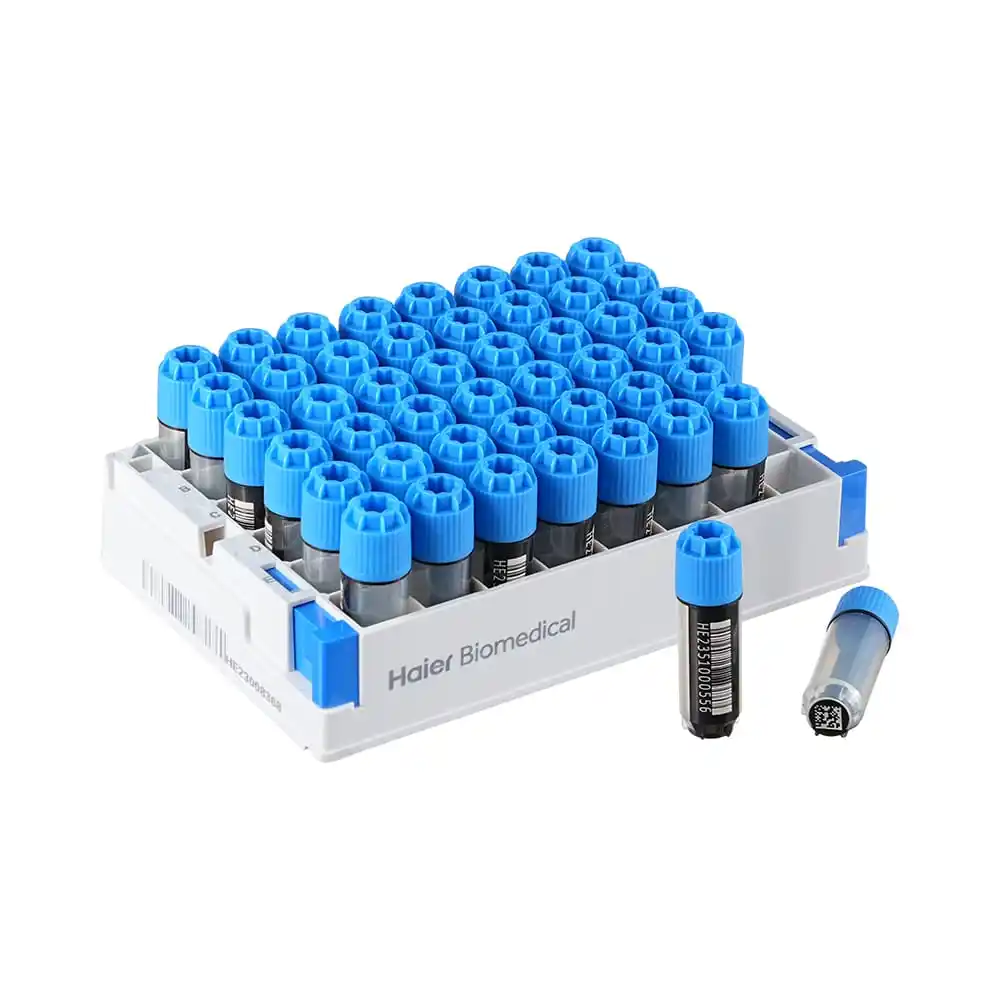
Cell culture plates serve as the cornerstone of modern biological research, providing researchers with standardized platforms for growing, maintaining, and studying cells in controlled laboratory environments. These specialized laboratory tools have revolutionized life sciences by enabling scientists to conduct reproducible experiments while maintaining optimal conditions for cellular growth and development. The fundamental design and functionality of cell culture plates make them indispensable for advancing our understanding of cellular biology, drug development, and therapeutic research across multiple scientific disciplines.
Essential Design Features of Modern Cell Culture Plates
Surface Treatment Technologies
The surface treatment of cell culture plates represents one of the most critical aspects determining successful cell attachment and proliferation. Manufacturers employ various surface modification techniques, including plasma treatment, chemical coating, and specialized polymer applications to create optimal cell adhesion properties. These treatments ensure that cells can properly attach to the plate surface while maintaining their natural morphology and biological functions throughout extended culture periods.
Advanced surface treatments also incorporate specific binding proteins and extracellular matrix components that mimic natural cellular environments. This biomimetic approach allows researchers to culture cells under conditions that closely resemble their native tissue environments, leading to more physiologically relevant experimental results. The consistency of surface treatment across different batches ensures reproducible outcomes in long-term research projects.
Well Configuration and Volumetric Considerations
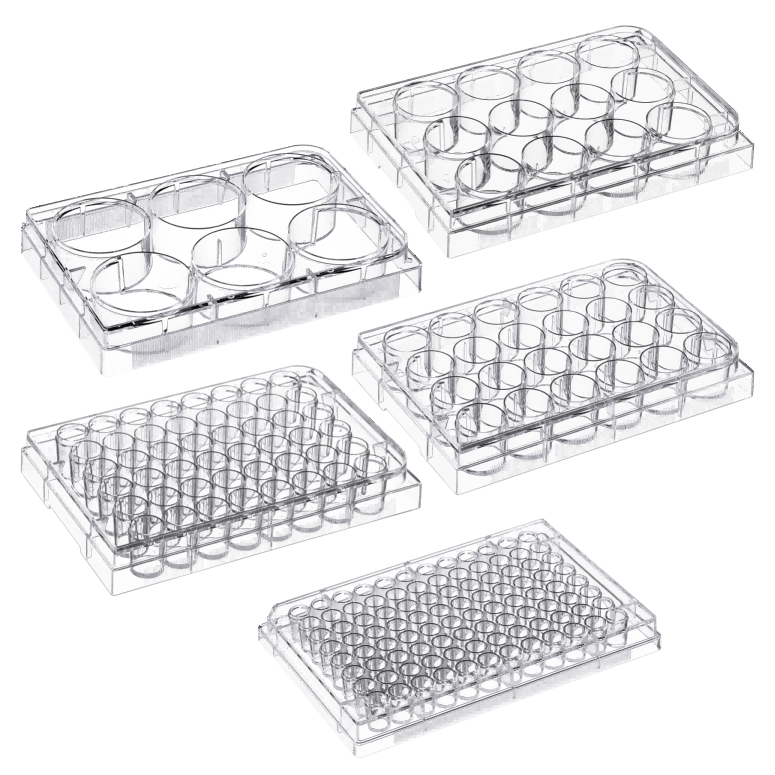
The configuration of wells in cell culture plates directly impacts experimental design and data collection efficiency. Standard formats include 6, 12, 24, 48, and 96-well configurations, each offering distinct advantages for specific research applications. Larger wells accommodate higher cell numbers and facilitate easier manipulation, while smaller wells enable high-throughput screening and reduce reagent consumption during extensive experimental protocols.
Volumetric precision in cell culture plates ensures accurate dosing and consistent experimental conditions across multiple wells. The mathematical relationship between well diameter, depth, and total volume has been optimized to provide ideal surface area to volume ratios that support optimal cell density while minimizing media evaporation and maintaining proper gas exchange for cellular respiration.
Applications Across Life Science Research Disciplines
Pharmaceutical Drug Development
In pharmaceutical research, cell culture plates enable systematic drug screening processes that form the foundation of modern therapeutic development. Researchers utilize these platforms to evaluate drug efficacy, toxicity profiles, and dose-response relationships across diverse cell lines representing various disease states. The standardized format of cell culture plates allows for automated liquid handling systems and robotic screening platforms that can process thousands of compounds simultaneously.
The reproducibility offered by high-quality cell culture plates is essential for regulatory compliance in pharmaceutical development. Consistent results across multiple experimental runs provide the reliable data necessary for advancing promising compounds through clinical development phases. This reliability directly impacts the success rate of drug development programs and reduces the time required to bring new therapeutics to market.
Cancer Research and Oncology Studies
Cancer research heavily relies on cell culture plates to study tumor cell behavior, invasion patterns, and therapeutic responses under controlled laboratory conditions. These platforms enable researchers to investigate cancer cell metabolism, proliferation rates, and resistance mechanisms while testing potential therapeutic interventions. The ability to culture cancer cells alongside normal cells in adjacent wells allows for direct comparative studies that reveal important differences in cellular responses.
Advanced cancer research applications utilize cell culture plates for three-dimensional tumor spheroid formation, which better mimics the complex cellular interactions found in actual tumor environments. This approach provides more clinically relevant data regarding drug penetration, cellular communication, and treatment resistance patterns that are crucial for developing effective cancer therapies.
Quality Standards and Manufacturing Specifications
Sterility and Contamination Prevention
Manufacturing standards for cell culture plates require stringent sterility protocols to prevent microbial contamination that could compromise experimental results. Gamma irradiation sterilization is the preferred method for ensuring complete elimination of bacteria, fungi, and viruses while maintaining the integrity of plastic materials and surface treatments. Quality control testing includes endotoxin level assessment and biocompatibility verification to ensure that plates meet international laboratory standards.
Packaging integrity plays a crucial role in maintaining sterility during transportation and storage. Individual wrapping or sealed packages prevent environmental contamination while allowing for convenient handling in sterile laboratory environments. The shelf life of sterile cell culture plates depends on packaging quality and storage conditions, with proper storage extending usability for several years without compromising performance.
Material Selection and Biocompatibility
The choice of materials for cell culture plates directly affects cellular behavior and experimental outcomes. High-grade polystyrene remains the standard material due to its optical clarity, chemical inertness, and excellent molding properties that allow for precise well geometries. Advanced formulations incorporate specific additives that enhance cell attachment while maintaining transparency for microscopic observation and automated imaging systems.
Biocompatibility testing ensures that cell culture plates do not release toxic compounds that could interfere with cellular processes or experimental results. This testing includes evaluation of leachable substances, cytotoxicity assessment, and long-term compatibility studies with various cell types. The consistency of material properties across different production batches ensures reliable performance in critical research applications.
Technological Innovations and Future Developments
Microfluidic Integration
The integration of microfluidic technologies with traditional cell culture plates represents a significant advancement in cellular research capabilities. These hybrid systems enable precise control of fluid flow, nutrient delivery, and waste removal while maintaining the familiar format of standard cell culture plates. Microfluidic features allow researchers to create gradients of growth factors, drugs, or other stimuli across wells, enabling sophisticated experimental designs that were previously impossible.
Advanced microfluidic cell culture plates incorporate multiple chambers connected by microscale channels that simulate tissue-level organization and cellular communication pathways. These systems provide insights into complex biological processes such as cell migration, tissue development, and disease progression while maintaining the convenience and scalability of traditional plate formats.
Smart Sensing Technologies
Modern cell culture plates increasingly incorporate embedded sensors that provide real-time monitoring of cellular environments without disrupting ongoing experiments. These sensors can measure parameters such as pH, dissolved oxygen levels, temperature, and cellular metabolic activity continuously throughout culture periods. The integration of wireless communication technologies allows researchers to monitor multiple plates simultaneously and receive alerts when conditions deviate from optimal ranges.
The data collected by smart cell culture plates enables more precise control of experimental conditions and provides valuable insights into cellular behavior patterns that were previously undetectable. This technological advancement supports the development of more sophisticated experimental protocols and contributes to improved reproducibility in cellular research studies.
Optimization Strategies for Enhanced Research Outcomes
Protocol Development and Standardization
Successful utilization of cell culture plates requires careful protocol development that considers factors such as seeding density, media composition, incubation conditions, and passage timing. Standardized protocols ensure reproducible results across different experiments and research teams while minimizing variability that could compromise data quality. The development of comprehensive protocols includes detailed specifications for cell culture plates selection based on specific research objectives and cell type requirements.
Optimization studies help researchers determine optimal conditions for their specific applications, including evaluation of different plate formats, surface treatments, and culture media formulations. These studies contribute to the development of best practices that maximize experimental success rates while minimizing resource consumption and experimental time requirements.
Quality Control and Validation Procedures
Implementing robust quality control procedures ensures consistent performance of cell culture plates across different experimental runs and research projects. Regular validation of plate performance includes assessment of cell attachment rates, growth uniformity, and contamination prevention effectiveness. These procedures help identify potential issues before they impact critical experiments and maintain the high standards required for publishable research results.
Documentation of quality control results provides traceability that is essential for regulatory compliance and research reproducibility. Comprehensive records of plate lot numbers, performance characteristics, and experimental outcomes support the validation of research findings and facilitate troubleshooting when unexpected results occur.
FAQ
What factors should be considered when selecting cell culture plates for specific experiments
The selection of appropriate cell culture plates depends on several key factors including the type of cells being cultured, experimental objectives, required well size and number, surface treatment requirements, and compatibility with imaging or analysis equipment. Researchers should also consider whether the experiment requires special features such as low-attachment surfaces for suspension cultures or treated surfaces for adherent cells.
How do different well formats affect experimental design and data collection
Different well formats offer distinct advantages for various experimental approaches. Larger wells provide more space for cell manipulation and sample collection but require more reagents, while smaller wells enable high-throughput screening with reduced reagent consumption. The choice of format should align with the experimental scale, statistical requirements, and resource constraints of the research project.
What are the key quality indicators for evaluating cell culture plate performance
Key quality indicators include surface treatment uniformity, well-to-well consistency in cell growth patterns, optical clarity for microscopy applications, absence of contamination, and compatibility with automated systems. Regular assessment of these factors helps ensure reliable experimental results and identifies any potential issues with plate quality or storage conditions.
How can researchers ensure optimal storage and handling of cell culture plates
Proper storage involves maintaining sterile conditions in original packaging until use, controlling temperature and humidity levels, and avoiding exposure to UV light or chemicals that could affect surface treatments. Handling procedures should minimize contamination risk while ensuring that plates are not damaged during transport or preparation for use in experiments.
Table of Contents
- Essential Design Features of Modern Cell Culture Plates
- Applications Across Life Science Research Disciplines
- Quality Standards and Manufacturing Specifications
- Technological Innovations and Future Developments
- Optimization Strategies for Enhanced Research Outcomes
-
FAQ
- What factors should be considered when selecting cell culture plates for specific experiments
- How do different well formats affect experimental design and data collection
- What are the key quality indicators for evaluating cell culture plate performance
- How can researchers ensure optimal storage and handling of cell culture plates