
 EN
EN



Large-scale genetic screening has revolutionized modern biological research, enabling scientists to analyze thousands of samples simultaneously with unprecedented efficiency. At the heart of these high-throughput operations lies a critical laboratory tool that has transformed the way researchers approach genomic analysis. PCR plates serve as the foundation for amplifying DNA sequences across multiple samples, making them indispensable for projects ranging from disease research to agricultural genomics. These specialized laboratory vessels have enabled breakthrough discoveries in personalized medicine, pathogen detection, and evolutionary biology by providing the scalability needed for comprehensive genetic analysis.
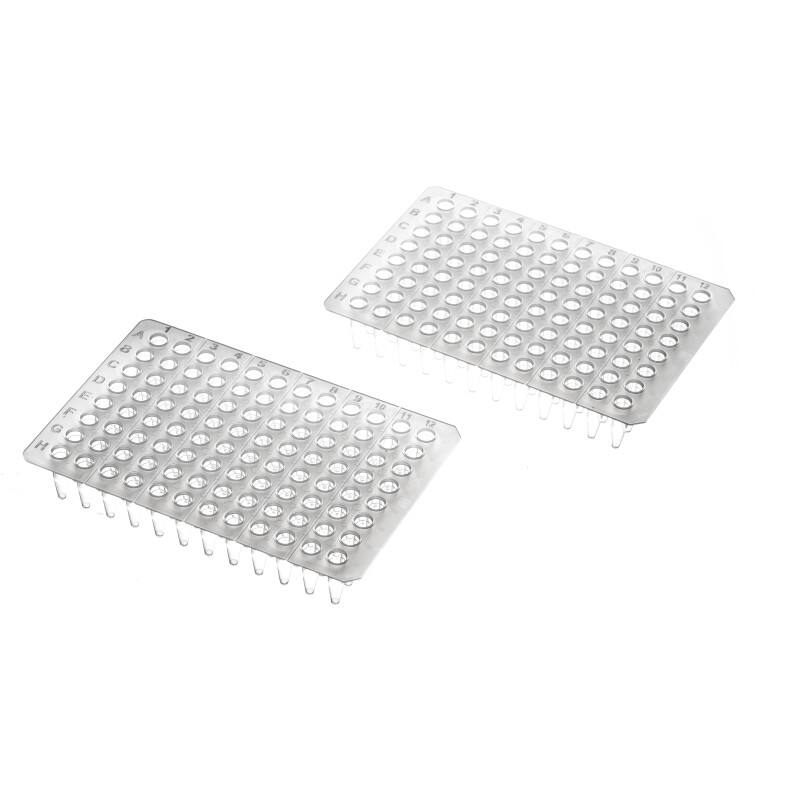
Understanding the Role of PCR Plates in Genetic Screening
Essential Components for DNA Amplification
PCR plates represent sophisticated engineering designed to facilitate polymerase chain reaction processes across multiple samples simultaneously. These multi-well platforms typically feature 96 or 384 individual reaction chambers, each precisely manufactured to ensure uniform thermal conductivity and optimal sample containment. The thin-wall construction of modern PCR plates enables rapid heat transfer during the critical temperature cycling phases of DNA amplification, while specialized polypropylene materials resist chemical degradation from common reagents used in genetic screening protocols.
The geometric design of each well within PCR plates maximizes surface area contact between samples and thermal cycling equipment, ensuring consistent amplification results across all reaction sites. Advanced manufacturing techniques create ultra-smooth well surfaces that minimize sample adhesion and contamination risks, critical factors when processing hundreds of genetic samples in a single screening run. Quality control measures during production guarantee dimensional accuracy and thermal performance specifications that meet the demanding requirements of high-throughput genetic analysis workflows.
Standardization and Compatibility Factors
Modern genetic screening laboratories rely on PCR plates that conform to established industry standards, ensuring compatibility with automated liquid handling systems and thermal cycling equipment from multiple manufacturers. The Society for Laboratory Automation and Screening has established dimensional specifications that enable seamless integration of PCR plates into robotic platforms, facilitating the automation essential for large-scale genetic projects. This standardization extends to well spacing, plate thickness, and rim configurations that accommodate various sealing methods and detection systems.
Compatibility considerations extend beyond physical dimensions to include optical properties that support real-time PCR detection methods. PCR plates designed for genetic screening applications feature transparent bottoms optimized for fluorescent signal transmission, enabling researchers to monitor DNA amplification progress in real-time. The material composition balances optical clarity with thermal stability, ensuring reliable performance throughout extended cycling protocols while maintaining the structural integrity needed for automated sample handling.
Applications in High-Throughput Genetic Analysis
Disease Susceptibility Screening
Genetic screening projects focused on disease susceptibility rely heavily on PCR plates to process large cohorts of patient samples efficiently. These applications often involve screening for single nucleotide polymorphisms, copy number variations, and other genetic markers associated with increased disease risk. PCR plates enable researchers to analyze hundreds of patient samples simultaneously, dramatically reducing the time and cost associated with individual genetic assessments while maintaining the accuracy required for clinical applications.
Population-scale screening programs utilize PCR plates to identify genetic predispositions to common diseases such as cardiovascular disorders, diabetes, and various cancers. The high-throughput capacity of modern PCR plates allows research institutions to process samples from thousands of participants in epidemiological studies, generating the statistical power needed to identify meaningful genetic associations. This capability has been instrumental in advancing personalized medicine approaches that tailor treatment strategies based on individual genetic profiles.
Pathogen Detection and Surveillance
Public health laboratories employ PCR plates for large-scale pathogen surveillance programs that monitor disease outbreaks and track infectious agent evolution. These applications require the simultaneous analysis of numerous clinical samples to identify viral, bacterial, or parasitic pathogens with high sensitivity and specificity. The multi-well format enables laboratories to include appropriate controls, standards, and replicates within each screening run, ensuring reliable detection results that inform public health decision-making.
Environmental monitoring programs utilize PCR plates to screen water, soil, and air samples for pathogenic organisms that pose health risks to human populations. These screening projects often process hundreds of environmental samples collected from diverse geographic locations, requiring the scalability that only high-throughput PCR platforms can provide. The ability to process large sample volumes efficiently enables timely identification of contamination events and supports rapid response efforts to protect public health.
Technical Specifications and Performance Requirements
Thermal Conductivity and Cycling Efficiency
The performance of PCR plates in genetic screening applications depends critically on their thermal properties and ability to facilitate uniform temperature distribution across all reaction wells. Advanced polypropylene formulations used in modern PCR plates exhibit excellent thermal conductivity while maintaining chemical resistance to harsh cycling conditions. The wall thickness of individual wells is precisely controlled to optimize heat transfer rates, enabling rapid temperature transitions that reduce overall cycling times and improve amplification efficiency.
Quality PCR plates demonstrate consistent thermal performance across multiple cycling runs, maintaining structural integrity even under extreme temperature variations typical of genetic screening protocols. The coefficient of thermal expansion is carefully matched to prevent warping or dimensional changes that could compromise sealing integrity or automated handling compatibility. These thermal characteristics directly impact the reproducibility and reliability of genetic screening results, making plate selection a critical factor in experimental design.
Sample Volume Optimization
PCR plates designed for genetic screening applications offer various well volumes to accommodate different sample throughput requirements and reagent conservation strategies. Standard 96-well formats typically provide reaction volumes ranging from 10 to 200 microliters, allowing researchers to optimize protocols based on sample availability and cost considerations. The well geometry is engineered to minimize evaporation during thermal cycling while ensuring complete mixing of reaction components and uniform temperature distribution.
Advanced PCR plates feature specialized well designs that enhance optical detection capabilities for real-time monitoring applications. The well bottom configuration optimizes light transmission and reduces optical distortion that could affect fluorescent signal detection accuracy. These design features are particularly important for quantitative genetic screening applications where precise measurement of DNA amplification kinetics provides critical information about sample characteristics and contamination levels.
Integration with Laboratory Automation Systems
Robotic Handling and Sample Preparation
Modern genetic screening laboratories depend on automated systems to manage the complex sample preparation workflows required for large-scale PCR plate processing. These robotic platforms can dispense precise volumes of samples and reagents into hundreds of wells simultaneously, eliminating manual pipetting errors and reducing contamination risks. PCR plates must exhibit consistent dimensional tolerances and gripping surfaces that ensure reliable robot handling without damage to plate integrity or sample contents.
Integration with automated systems extends beyond sample preparation to include plate sealing, thermal cycling, and post-amplification analysis steps. PCR plates designed for high-throughput applications feature reinforced rim structures that withstand the mechanical forces applied by automated sealing systems, while maintaining flatness specifications that ensure proper contact with thermal cycling blocks. This mechanical robustness enables unattended operation of genetic screening workflows, dramatically increasing laboratory productivity and reducing labor costs.
Data Management and Tracking Systems
Large-scale genetic screening projects generate enormous amounts of data that must be accurately tracked from sample collection through final analysis. PCR plates equipped with barcode labels or RFID tags enable automated tracking systems to maintain complete sample custody chains and ensure data integrity throughout the screening process. These identification systems integrate with laboratory information management systems to provide real-time status updates and facilitate quality control monitoring.
Advanced tracking capabilities allow researchers to correlate PCR plate performance data with specific manufacturing lots, enabling quality control analysis that identifies optimal plate sources for critical applications. The integration of plate identification with automated detection systems creates comprehensive databases linking sample information, amplification parameters, and analytical results. This data integration capability is essential for maintaining regulatory compliance and supporting quality assurance programs in clinical genetic screening applications.
Quality Control and Validation Protocols
Manufacturing Standards and Testing
PCR plates used in genetic screening applications must meet stringent quality standards that ensure consistent performance across large sample batches. Manufacturing processes incorporate statistical process control measures that monitor critical dimensions, thermal properties, and optical characteristics throughout production runs. Each batch of PCR plates undergoes comprehensive testing protocols that verify amplification efficiency, optical clarity, and contamination resistance before release for laboratory use.
Validation protocols for PCR plates include accelerated aging studies that simulate extended storage conditions and repeated thermal cycling to assess long-term performance stability. These testing programs evaluate potential degradation of optical properties, changes in well geometry, and development of chemical contaminants that could interfere with genetic screening assays. The results of these validation studies establish shelf-life specifications and storage recommendations that ensure optimal performance throughout the product lifecycle.
Laboratory Qualification Procedures
Research laboratories implementing new PCR plates for genetic screening projects must conduct thorough qualification studies that demonstrate acceptable performance under specific experimental conditions. These qualification protocols typically include amplification efficiency comparisons, optical background measurements, and contamination assessments using standardized reference materials. The qualification process establishes baseline performance criteria that enable laboratories to monitor ongoing plate quality and identify potential issues before they impact critical screening results.
Ongoing quality monitoring programs utilize control samples and reference standards to track PCR plate performance over time and across different manufacturing lots. These monitoring systems can detect subtle changes in amplification efficiency or optical properties that might indicate quality issues requiring investigation. Regular performance assessments ensure that genetic screening results maintain the accuracy and reproducibility required for research applications and clinical decision-making.
Cost-Effectiveness and Scalability Considerations
Economic Benefits of High-Throughput Processing
The economic advantages of using PCR plates for large-scale genetic screening become apparent when comparing per-sample costs with alternative processing methods. High-throughput processing reduces labor requirements, reagent consumption, and equipment utilization costs while improving sample turnaround times. PCR plates enable laboratories to achieve economies of scale that make comprehensive genetic screening financially feasible for large population studies and clinical applications.
Cost analysis of genetic screening projects must consider not only direct consumable expenses but also indirect costs associated with laboratory infrastructure, personnel training, and quality control programs. PCR plates that integrate seamlessly with existing automation systems minimize the need for specialized equipment purchases while maximizing utilization of current laboratory resources. This compatibility factor significantly impacts the overall return on investment for genetic screening initiatives and influences technology adoption decisions.
Scalability for Growing Research Demands
The increasing demand for genetic screening services requires laboratory platforms that can scale efficiently to accommodate growing sample volumes without compromising analytical quality. PCR plates provide the scalability needed to expand screening programs from hundreds to thousands of samples while maintaining consistent performance standards. This scalability is particularly important for longitudinal studies that may require processing samples from the same population over extended time periods.
Future expansion of genetic screening applications will likely require even higher throughput capabilities, driving development of enhanced PCR plate formats and processing technologies. Research laboratories must consider long-term scalability when selecting PCR plate platforms, ensuring compatibility with emerging technologies and analytical methods. The modular nature of PCR plate-based systems enables incremental capacity increases that align with project growth and funding availability.
Future Developments and Emerging Technologies
Advanced Materials and Manufacturing Innovations
Ongoing research in polymer chemistry and manufacturing technology continues to improve PCR plate performance for genetic screening applications. Advanced material formulations offer enhanced thermal conductivity, reduced optical background, and improved chemical resistance properties that expand the range of compatible assay protocols. These material innovations enable development of specialized PCR plates optimized for specific genetic screening applications, such as single-cell analysis or challenging sample types.
Manufacturing innovations include precision molding techniques that achieve tighter dimensional tolerances and improved surface finish quality in PCR plates. These advances reduce well-to-well variation and enhance optical performance while maintaining cost-effectiveness for high-volume applications. Emerging manufacturing technologies may enable production of custom PCR plate configurations tailored to specific genetic screening workflows, providing researchers with optimized tools for specialized applications.
Integration with Next-Generation Sequencing
The convergence of PCR-based amplification with next-generation sequencing technologies creates new opportunities for comprehensive genetic screening applications. PCR plates serve as the initial amplification platform for library preparation protocols that enable massive parallel sequencing of genetic targets. This integration requires PCR plates with enhanced purity specifications and specialized surface treatments that minimize contamination risks and optimize downstream sequencing performance.
Future PCR plate designs may incorporate features specifically optimized for NGS applications, such as integrated barcoding capabilities and enhanced sample tracking systems. These developments will enable even larger-scale genetic screening projects that combine the amplification efficiency of PCR plates with the comprehensive analytical power of next-generation sequencing technologies. The resulting platforms will support population genomics studies and precision medicine initiatives requiring analysis of millions of genetic variants across thousands of individuals.
FAQ
What volume range is optimal for genetic screening applications using PCR plates
For most genetic screening applications, reaction volumes between 10-25 microliters provide optimal balance between reagent economy and amplification efficiency. Smaller volumes reduce reagent costs but may be more susceptible to evaporation effects, while larger volumes offer more robust performance but increase consumable expenses. The choice depends on sample availability, throughput requirements, and detection method sensitivity.
How do PCR plates compare to individual tubes for large-scale screening projects
PCR plates offer significant advantages over individual tubes for large-scale genetic screening, including reduced contamination risks, improved thermal uniformity, compatibility with automated systems, and lower per-sample costs. While individual tubes may provide slightly larger reaction volumes, the efficiency gains from plate-based processing typically outweigh this limitation for projects involving hundreds or thousands of samples.
What factors should be considered when selecting PCR plates for automated screening systems
Key selection criteria include dimensional accuracy for robot handling, thermal conductivity for efficient cycling, optical properties for detection systems, and chemical compatibility with reagents. Additional considerations include lot-to-lot consistency, barcode labeling options, and manufacturer quality control standards. Compatibility with existing automation equipment and software systems is also critical for seamless integration.
Can PCR plates be reused in genetic screening applications
PCR plates are designed as single-use consumables and should not be reused in genetic screening applications due to contamination risks and potential performance degradation. The low cost and high performance of modern PCR plates make single-use protocols more cost-effective than cleaning and validation procedures required for reuse. Contamination from previous reactions could compromise screening results and invalidate research conclusions.
Table of Contents
- Understanding the Role of PCR Plates in Genetic Screening
- Applications in High-Throughput Genetic Analysis
- Technical Specifications and Performance Requirements
- Integration with Laboratory Automation Systems
- Quality Control and Validation Protocols
- Cost-Effectiveness and Scalability Considerations
- Future Developments and Emerging Technologies
-
FAQ
- What volume range is optimal for genetic screening applications using PCR plates
- How do PCR plates compare to individual tubes for large-scale screening projects
- What factors should be considered when selecting PCR plates for automated screening systems
- Can PCR plates be reused in genetic screening applications