
 EN
EN



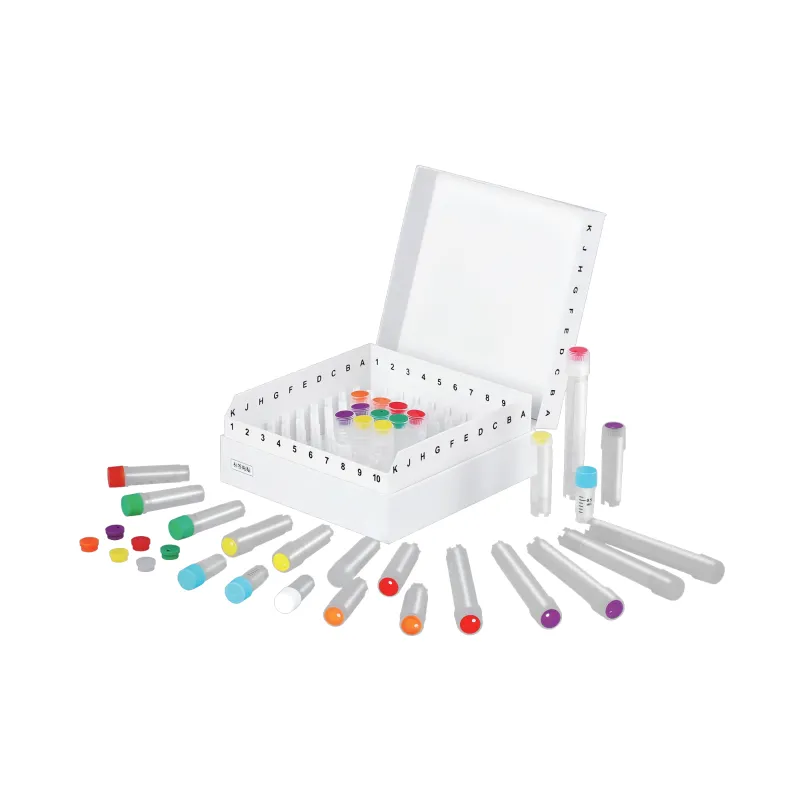
Laboratory efficiency depends heavily on selecting the appropriate equipment for specific applications, and microcentrifuge tubes represent one of the most fundamental consumables in modern research facilities. These small but essential vessels play crucial roles in sample preparation, storage, and processing across diverse scientific disciplines. Understanding the various capacity options available and their specific applications can significantly impact experimental outcomes and laboratory workflow optimization. The choice between different microcentrifuge tube capacities affects everything from sample volume requirements to centrifugation protocols and storage considerations.
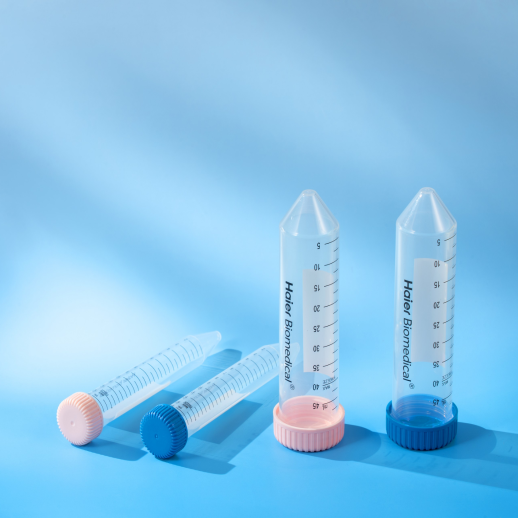
Understanding Microcentrifuge Tube Capacity Options
Standard Volume Classifications
The microcentrifuge tube market offers several standardized capacity options, each designed to meet specific laboratory requirements. The most common volumes include 0.2ml, 0.5ml, 1.5ml, and 2.0ml configurations, with each serving distinct purposes in laboratory workflows. These capacity variations accommodate different sample volumes while maintaining optimal performance characteristics during centrifugation and storage procedures. Laboratory professionals must consider both current sample requirements and potential future applications when selecting appropriate tube capacities.
The 0.2ml capacity represents the smallest standard option, typically utilized for PCR applications, enzyme reactions, and precious sample storage where minimal volume loss is critical. These tubes feature precise engineering to ensure reliable performance in thermal cycling equipment and provide excellent sample recovery rates. The compact design minimizes dead volume while maintaining structural integrity under various processing conditions.
Volume Range Applications
Mid-range capacities of 0.5ml and 1.5ml serve as workhorses in most laboratory environments, handling routine sample preparation, protein purification, and general storage applications. The 1.5ml microcentrifuge tube particularly excels in molecular biology protocols, cell culture work, and biochemical assays requiring moderate sample volumes. These capacities provide optimal balance between sample accommodation and processing efficiency.
Larger 2.0ml and specialty volumes address applications requiring greater sample quantities or specific processing requirements. These tubes accommodate larger reaction volumes, bulk sample storage, and applications where sample dilution or reagent addition necessitates additional space. The increased capacity also proves beneficial for applications requiring multiple processing steps or extended storage periods.
Sample Volume Considerations
Optimal Fill Ratios
Proper tube capacity selection requires understanding optimal fill ratios to ensure effective centrifugation and sample processing. Generally, tubes should be filled to approximately 50-80% of their maximum capacity to prevent sample loss during centrifugation while maintaining adequate headspace for mixing and processing operations. Overfilled tubes risk sample spillage and cross-contamination, while underfilled tubes may experience inadequate separation or processing efficiency.
The relationship between sample volume and tube capacity directly impacts centrifugation effectiveness, particularly for density gradient separations and pellet formation procedures. Appropriate headspace allows for proper force distribution during centrifugation while preventing tube deformation or failure under high-speed conditions. Laboratory protocols should specify optimal fill volumes to ensure consistent and reproducible results across different applications.
Scalability Requirements
Laboratory workflows often require processing multiple samples simultaneously, making tube capacity selection critical for maintaining consistent processing conditions across sample batches. Standardizing on specific capacities enables efficient workflow design and reduces the complexity of centrifuge rotor selection and balancing procedures. This standardization also facilitates inventory management and reduces the risk of using inappropriate tube sizes for specific applications.
Future scalability considerations should influence current capacity selections, particularly in research environments where sample requirements may evolve over time. Selecting versatile capacity options that accommodate both current needs and potential expansion ensures long-term laboratory efficiency and reduces the need for frequent equipment and protocol modifications.
Application-Specific Requirements
Molecular Biology Applications
Molecular biology protocols demand precise sample handling and minimal contamination risk, making appropriate microcentrifuge tube selection essential for successful outcomes. PCR applications typically require 0.2ml tubes for optimal thermal transfer and reaction efficiency, while DNA and RNA extractions often utilize 1.5ml or 2.0ml capacities to accommodate larger sample volumes and multiple processing steps. These applications also benefit from tubes featuring low-retention surfaces and certified nuclease-free materials.
Protein purification and enzymatic assays require tubes that maintain sample integrity throughout extended processing periods while providing reliable sealing and contamination protection. The selection of appropriate capacity ensures adequate sample volume for multiple analytical measurements while minimizing waste and maintaining sample concentration throughout the workflow.
Cell Culture and Microbiology
Cell culture applications often require larger capacity tubes to accommodate cell suspensions, culture media, and washing procedures. The 1.5ml and 2.0ml options provide sufficient volume for cell pelleting, media exchange, and sample aliquoting while maintaining sterility throughout processing procedures. These applications also benefit from tubes featuring graduated markings for accurate volume measurements and consistent sample preparation.
Microbiology applications frequently involve sample dilutions, culture preparations, and antimicrobial testing procedures that require precise volume control and contamination prevention. Appropriate tube capacity selection ensures adequate sample volume for multiple testing procedures while maintaining sample viability and preventing cross-contamination between samples or test conditions.
Material Properties and Performance
Chemical Compatibility
The material composition of microcentrifuge tubes significantly impacts their suitability for specific applications, with polypropylene representing the most common choice due to its excellent chemical resistance and temperature stability. Different tube capacities may utilize varying wall thicknesses and material formulations to optimize performance characteristics for their intended volume range. Understanding these material properties ensures appropriate selection for applications involving specific chemicals, temperatures, or processing conditions.
Chemical compatibility considerations extend beyond the tube material to include cap and sealing systems, which must maintain integrity when exposed to solvents, acids, bases, and other laboratory reagents. The interaction between sample chemistry and tube materials can affect both sample integrity and tube performance, making compatibility assessment essential for reliable results.
Temperature Performance
Temperature stability requirements vary significantly across different laboratory applications, from cryogenic storage at -80°C to thermal cycling applications reaching 95°C or higher. Tube capacity selection must consider the thermal performance characteristics required for specific applications, including thermal conductivity, expansion coefficients, and material stability across the required temperature range. These factors directly impact sample processing efficiency and tube longevity.
Thermal cycling applications place particular demands on tube performance, requiring materials that maintain dimensional stability and sealing integrity throughout repeated temperature cycles. The relationship between tube capacity and wall thickness affects thermal transfer rates and temperature uniformity, influencing the effectiveness of PCR and other thermal-based protocols.
Storage and Handling Considerations
Long-term Storage Requirements
Sample storage requirements significantly influence appropriate tube capacity selection, particularly for applications requiring extended storage periods or specific environmental conditions. Smaller capacity tubes often provide better sample concentration maintenance for long-term storage, while larger capacities accommodate applications requiring sample aliquoting or repeated access. The relationship between sample volume and surface area affects evaporation rates and sample stability during storage.
Storage space efficiency becomes increasingly important in laboratory environments with limited freezer or refrigerator capacity. Standardizing on specific tube capacities enables more efficient storage rack utilization and facilitates inventory management. The physical dimensions of different capacity options should be evaluated in the context of available storage equipment and space constraints.
Laboratory Workflow Integration
Successful tube capacity selection requires consideration of overall laboratory workflow integration, including compatibility with existing equipment, automation systems, and processing protocols. Standardized capacities facilitate equipment utilization and reduce the complexity of method development and validation procedures. This standardization also enables more efficient staff training and reduces the potential for procedural errors.
Automation compatibility represents an increasingly important consideration as laboratories adopt robotic systems for sample processing and handling. Tube capacity selection should consider compatibility with liquid handling systems, automated storage solutions, and other robotic equipment to ensure seamless workflow integration and maximize automation benefits.
FAQ
What factors should I consider when selecting microcentrifuge tube capacity for PCR applications
PCR applications typically require 0.2ml tubes due to their optimal thermal conductivity and minimal sample volume requirements. Consider the reaction volume, number of replicates needed, and thermal cycler compatibility. The small capacity ensures efficient heat transfer and reduces reagent costs while maintaining accurate temperature control throughout cycling procedures.
How does tube capacity affect centrifugation efficiency and sample recovery
Tube capacity directly impacts centrifugation performance through optimal fill ratios and force distribution. Tubes should be filled to 50-80% capacity for maximum efficiency. Smaller capacities provide better pellet formation for low-volume samples, while larger capacities accommodate applications requiring greater sample volumes or multiple processing steps while maintaining effective separation.
Can I use larger capacity tubes for smaller sample volumes without affecting performance
While technically possible, using oversized tubes for small samples can reduce processing efficiency and increase sample loss due to surface tension effects and suboptimal centrifugation geometry. Smaller volumes in large tubes may also experience inadequate mixing and increased evaporation rates. Select tube capacity closest to your actual sample volume requirements for optimal performance.
What capacity options work best for long-term sample storage applications
Long-term storage applications benefit from tubes sized appropriately for sample volume to minimize air exposure and evaporation. Smaller capacities like 0.5ml or 1.5ml tubes work well for most applications, providing good sample concentration maintenance while allowing for future sample access. Consider storage space efficiency and compatibility with your laboratory's freezer and refrigerator systems when making selections.
Table of Contents
- Understanding Microcentrifuge Tube Capacity Options
- Sample Volume Considerations
- Application-Specific Requirements
- Material Properties and Performance
- Storage and Handling Considerations
-
FAQ
- What factors should I consider when selecting microcentrifuge tube capacity for PCR applications
- How does tube capacity affect centrifugation efficiency and sample recovery
- Can I use larger capacity tubes for smaller sample volumes without affecting performance
- What capacity options work best for long-term sample storage applications