
 EN
EN



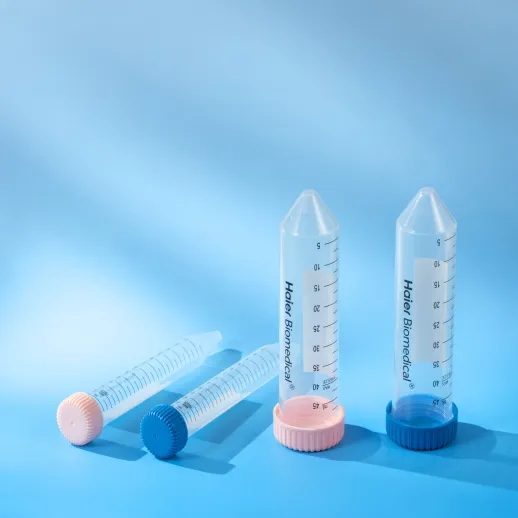
Genetic research has revolutionized our understanding of life at the molecular level, enabling breakthroughs in medicine, agriculture, and biotechnology. At the heart of these scientific advances lies a seemingly simple yet indispensable laboratory tool that has become the backbone of molecular biology workflows. Microcentrifuge tubes represent one of the most fundamental pieces of equipment in modern genetic research laboratories, facilitating everything from DNA extraction to protein purification with remarkable precision and reliability.
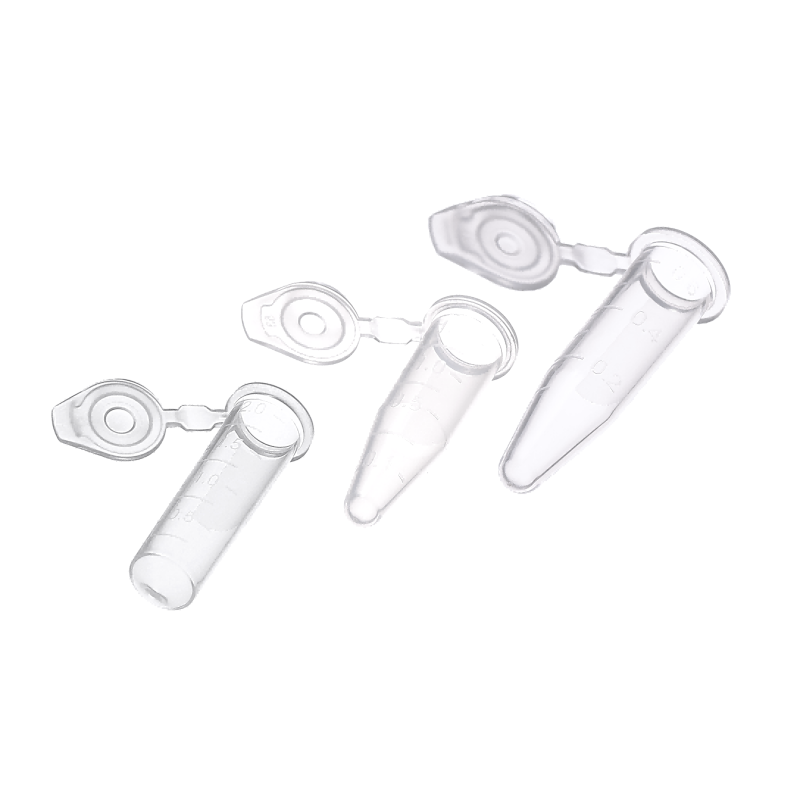
The evolution of genetic research has been closely tied to advances in laboratory equipment and consumables. These small cylindrical vessels have transformed from basic storage containers into sophisticated tools engineered for specific research applications. Their widespread adoption across research institutions worldwide reflects their critical role in maintaining sample integrity, ensuring reproducible results, and enabling high-throughput processing of genetic material.
Essential Design Features for Genetic Applications
Material Composition and Chemical Resistance
The construction materials of microcentrifuge tubes play a crucial role in their effectiveness for genetic research applications. High-quality polypropylene remains the gold standard for these vessels due to its exceptional chemical resistance and low protein binding properties. This material choice ensures that precious genetic samples remain uncontaminated and that recovery rates stay consistently high throughout experimental procedures.
Chemical compatibility extends beyond basic resistance to include interactions with enzymes, buffers, and organic solvents commonly used in molecular biology protocols. The inert nature of premium polypropylene prevents leaching of plasticizers or other compounds that could interfere with sensitive enzymatic reactions or downstream applications such as PCR amplification and sequencing reactions.
Precision Engineering for Sample Security
Modern microcentrifuge tubes incorporate sophisticated sealing mechanisms that prevent sample loss during high-speed centrifugation. The precision-molded caps feature multiple sealing surfaces that create leak-proof closures capable of withstanding forces exceeding 20,000 relative centrifugal force without compromising sample integrity. This engineering excellence proves essential when processing valuable or irreplaceable genetic samples.
Volume graduation marks etched into the tube walls provide accurate measurement capabilities for precise sample handling. These markings undergo rigorous calibration testing to ensure volumetric accuracy within acceptable laboratory standards, supporting reproducible experimental conditions across different research protocols and laboratory environments.
Critical Applications in Molecular Biology Workflows
DNA Extraction and Purification Processes
DNA extraction represents one of the most fundamental applications where microcentrifuge tubes demonstrate their indispensable value. The tubes must withstand multiple freeze-thaw cycles, exposure to chaotropic salts, and prolonged contact with organic solvents while maintaining structural integrity. Their role extends from initial cell lysis through multiple wash steps to final elution of purified nucleic acids.
The smooth interior surfaces of quality microcentrifuge tubes minimize DNA adherence, ensuring maximum recovery of extracted genetic material. This characteristic becomes particularly important when working with limited sample quantities or degraded specimens where every nanogram of recovered DNA holds scientific value for subsequent analysis and characterization.
PCR Reaction Setup and Storage
Polymerase chain reaction protocols rely heavily on microcentrifuge tubes for reaction setup, thermal cycling compatibility, and post-amplification storage. The tubes must maintain dimensional stability across temperature ranges from minus eighty degrees Celsius to one hundred degrees Celsius without warping or developing stress fractures that could compromise seal integrity.
Optical clarity in specialized PCR tubes enables real-time monitoring of amplification reactions through fluorescence detection systems. The uniform wall thickness ensures consistent heat transfer during thermal cycling, contributing to reproducible amplification efficiency across multiple samples processed simultaneously in high-throughput screening applications.
Quality Standards and Regulatory Compliance
Manufacturing Excellence and Quality Control
Leading manufacturers of microcentrifuge tubes implement comprehensive quality control systems that encompass raw material testing, production line monitoring, and finished product validation. These rigorous processes ensure batch-to-batch consistency and eliminate variability that could impact research outcomes or compromise data integrity in critical experiments.
Sterility assurance represents another critical quality parameter, with gamma irradiation or ethylene oxide sterilization providing validated microbial elimination while preserving material properties. Certificate of analysis documentation accompanies each production lot, providing researchers with detailed specifications and test results that support regulatory compliance requirements.
Traceability and Documentation Requirements
Modern research environments increasingly demand comprehensive documentation and traceability for all laboratory consumables used in genetic research. Microcentrifuge tubes now feature lot number identification systems that enable complete chain of custody tracking from manufacturing through final disposal, supporting good laboratory practices and regulatory audit requirements.
Quality management systems incorporated by reputable manufacturers align with international standards such as ISO 13485 and ISO 9001, providing assurance that products meet stringent quality requirements. This certification framework becomes particularly important for research conducted under regulatory oversight or intended for clinical applications.
Specialized Variants for Advanced Applications
Low Retention Surface Technologies
Advanced surface treatments have emerged to address specific challenges in genetic research where sample recovery efficiency directly impacts experimental success. Low retention microcentrifuge tubes incorporate specialized coatings or surface modifications that minimize protein and nucleic acid binding, ensuring maximum sample availability for downstream applications.
These enhanced tubes prove particularly valuable when working with precious samples such as rare patient specimens or difficult-to-obtain biological materials. The improved recovery rates can mean the difference between successful experiments and inconclusive results, making the investment in premium consumables economically justified for high-value research projects.
Specialized Closure Systems
Innovation in closure design has produced microcentrifuge tubes with enhanced functionality for specific applications. Screw-cap variants provide superior sealing for long-term storage applications, while snap-cap designs offer convenient one-handed operation during routine laboratory procedures. Some specialized tubes incorporate tamper-evident features for chain of custody requirements in forensic or clinical applications.
Color-coded caps and tubes facilitate sample organization and reduce the risk of cross-contamination in complex experimental setups. The visual identification system proves especially valuable in high-throughput environments where hundreds of samples require simultaneous processing and tracking throughout extended experimental protocols.
Economic Considerations and Laboratory Efficiency
Cost-Effectiveness in Research Operations
The economic impact of microcentrifuge tubes extends far beyond their individual purchase price to encompass their contribution to overall laboratory productivity and research outcomes. High-quality tubes reduce the risk of sample loss, contamination, or experimental failure, factors that could necessitate costly repeat experiments or compromise valuable research timelines.
Bulk purchasing strategies and vendor partnerships enable research institutions to optimize their consumables budgets while maintaining access to premium products. The long shelf life of quality microcentrifuge tubes supports inventory management strategies that balance cost control with operational flexibility, ensuring adequate supplies for ongoing research projects.
Automation Compatibility and Throughput Enhancement
Modern genetic research increasingly relies on automated systems for sample processing, liquid handling, and storage management. Microcentrifuge tubes must meet precise dimensional tolerances to ensure reliable performance in robotic systems, preventing jams or mechanical failures that could disrupt high-throughput workflows.
Standardized formats enable seamless integration with automated storage systems, centrifuges, and analytical instruments. This compatibility reduces manual handling requirements, minimizes human error potential, and supports the scalability needed for large-scale genetic studies and population genomics projects.
Future Innovations and Emerging Technologies
Smart Labeling and Digital Integration
Emerging technologies are beginning to integrate digital capabilities directly into microcentrifuge tubes through embedded RFID chips or printed electronic circuits. These innovations enable automatic sample tracking, temperature logging, and integration with laboratory information management systems, reducing manual data entry requirements and improving experimental documentation.
Blockchain technology applications are being explored for sample provenance tracking, creating immutable records of sample handling, storage conditions, and analytical results. These developments promise to enhance data integrity and support regulatory compliance requirements in clinical and pharmaceutical research applications.
Sustainable Materials and Environmental Considerations
Environmental sustainability concerns are driving innovation in microcentrifuge tube materials and manufacturing processes. Biodegradable polymer alternatives and recycling programs are being developed to reduce the environmental impact of single-use laboratory consumables while maintaining the performance standards required for genetic research applications.
Life cycle assessment methodologies are being applied to evaluate the total environmental impact of laboratory consumables, from raw material extraction through end-of-life disposal. These analyses inform product development decisions and guide laboratories toward more sustainable operational practices without compromising research quality.
FAQ
What volume capacities are most commonly used in genetic research laboratories
The most frequently utilized volumes in genetic research range from 0.6 milliliters to 2.0 milliliters, with 1.5 milliliter tubes representing the industry standard for most molecular biology applications. These sizes provide optimal sample capacity while maintaining compatibility with standard centrifuge rotors and automated handling systems commonly found in research facilities.
How do temperature fluctuations affect microcentrifuge tube performance in genetic applications
Quality microcentrifuge tubes maintain structural integrity and sealing performance across temperature ranges from minus eighty degrees Celsius to one hundred degrees Celsius. However, repeated freeze-thaw cycles can cause material fatigue over time, potentially compromising seal integrity. Most manufacturers recommend limiting freeze-thaw cycles to maintain optimal performance for critical genetic research applications.
What sterilization methods are compatible with microcentrifuge tubes used in genetic research
Gamma irradiation represents the most widely accepted sterilization method for microcentrifuge tubes, providing effective microbial elimination while preserving material properties and dimensional accuracy. Ethylene oxide sterilization offers an alternative for materials sensitive to radiation, though longer processing times and aeration requirements may impact supply chain logistics.
How should microcentrifuge tubes be stored to maintain quality for genetic research applications
Optimal storage conditions include maintaining tubes in their original packaging at room temperature in low humidity environments away from direct sunlight and chemical vapors. Proper storage prevents material degradation, maintains sterility integrity, and ensures consistent performance throughout the product shelf life, which typically extends three to five years from manufacturing date.
Table of Contents
- Essential Design Features for Genetic Applications
- Critical Applications in Molecular Biology Workflows
- Quality Standards and Regulatory Compliance
- Specialized Variants for Advanced Applications
- Economic Considerations and Laboratory Efficiency
- Future Innovations and Emerging Technologies
-
FAQ
- What volume capacities are most commonly used in genetic research laboratories
- How do temperature fluctuations affect microcentrifuge tube performance in genetic applications
- What sterilization methods are compatible with microcentrifuge tubes used in genetic research
- How should microcentrifuge tubes be stored to maintain quality for genetic research applications