
 EN
EN



Laboratory precision depends heavily on proper technique and equipment usage, with serological pipettes playing a crucial role in accurate liquid handling across various scientific applications. These graduated glass or plastic instruments enable precise measurement and transfer of liquids in volumes ranging from 1mL to 100mL, making them indispensable tools in microbiology, cell culture, and analytical chemistry laboratories worldwide. Understanding proper usage techniques not only ensures experimental accuracy but also prevents costly errors that can compromise research outcomes and laboratory safety protocols.
Understanding Serological Pipette Design and Function
Key Components and Features
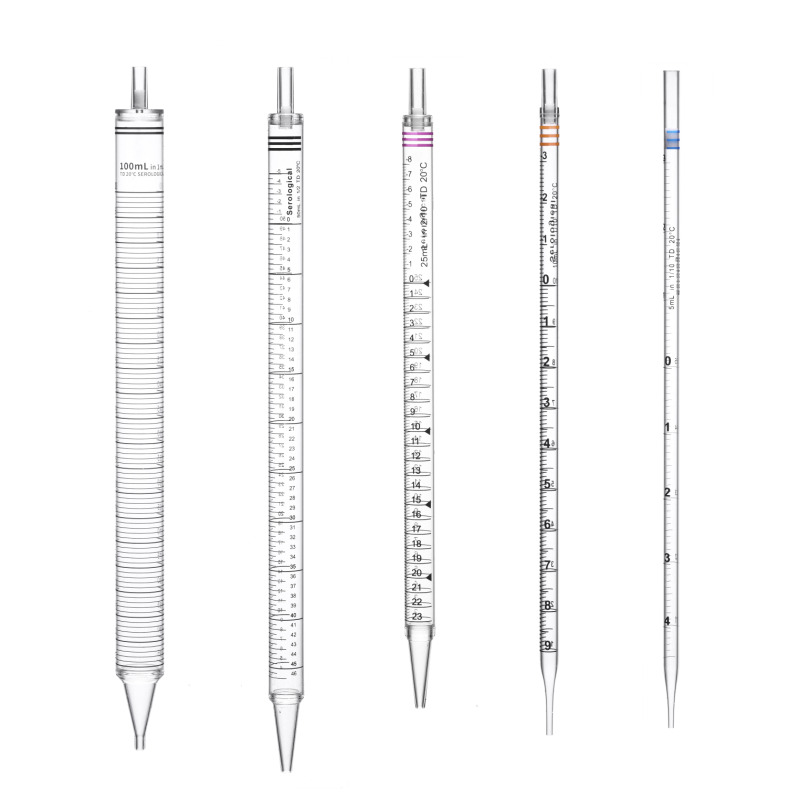
Modern serological pipettes feature several critical design elements that contribute to their accuracy and functionality. The graduated scale provides clear volume markings, typically with major graduations every milliliter and minor graduations for fractional measurements. The tapered tip design ensures controlled liquid flow, while the wide mouth opening facilitates easy filling and cleaning procedures. Color-coded bands or printed labels help identify different volume capacities quickly, reducing the risk of selecting incorrect pipettes during busy laboratory workflows.
The internal diameter consistency throughout the pipette body ensures uniform liquid column behavior and accurate volume measurements. Quality serological pipettes undergo rigorous calibration processes to meet international standards, with tolerance specifications clearly marked on each instrument. These specifications guarantee that measurements fall within acceptable accuracy ranges, typically ±2% for most laboratory-grade pipettes when used correctly according to manufacturer guidelines.
Material Considerations and Selection Criteria
Glass and plastic serological pipettes each offer distinct advantages depending on specific application requirements. Glass pipettes provide superior chemical resistance and maintain calibration accuracy over extended periods, making them ideal for applications involving organic solvents or extreme pH conditions. Their thermal stability allows for heat sterilization without dimensional changes, ensuring consistent performance throughout multiple use cycles in research environments.
Plastic alternatives offer enhanced safety benefits, eliminating breakage risks while maintaining excellent accuracy for most aqueous solutions. Disposable plastic pipettes reduce contamination concerns and eliminate time-consuming cleaning procedures, making them particularly suitable for high-throughput applications or when working with biohazardous materials. The choice between materials should consider chemical compatibility, sterilization requirements, and cost-effectiveness for specific laboratory protocols.
Proper Handling Techniques and Best Practices
Pre-Use Inspection and Preparation
Before using any serological pipette, conduct a thorough visual inspection to identify potential defects that could compromise measurement accuracy. Check for chips, cracks, or scratches on glass pipettes, as these imperfections can affect liquid flow characteristics and introduce measurement errors. Examine the tip opening for damage or obstruction, ensuring smooth liquid delivery without unwanted retention or dripping issues that commonly occur with damaged instruments.
Verify that graduation markings remain clear and legible, as faded or obscured numbers can lead to reading errors during critical measurements. For reusable pipettes, confirm proper cleaning has been performed, with no residual liquids or contaminants visible inside the bore. When working with temperature-sensitive applications, allow pipettes to equilibrate to room temperature for at least 15 minutes to prevent thermal expansion effects that could impact volume accuracy.
Filling and Dispensing Procedures
Proper liquid aspiration technique begins with selecting an appropriate pipetting aid or controller that matches the pipette specifications. Insert the pipette into the liquid at a slight angle, ensuring the tip extends below the surface to prevent air bubble incorporation. Maintain steady, controlled suction to draw liquid slowly into the pipette, allowing the meniscus to stabilize at the desired graduation mark without overshooting the target volume.
When dispensing liquids, position the pipette tip against the receiving vessel wall at approximately a 45-degree angle to promote smooth flow and minimize splashing. Allow gravity to assist liquid delivery while maintaining gentle positive pressure to ensure complete transfer. For accurate measurements with serological pipettes, wait for the liquid column to stabilize before taking final readings, as surface tension effects can cause temporary volume variations immediately after dispensing.
Common Errors and Prevention Strategies
Reading and Measurement Mistakes
Parallax error represents one of the most frequent sources of inaccuracy when using serological pipettes, occurring when operators read graduation marks from incorrect viewing angles. To prevent this error, position your eye at the same horizontal level as the liquid meniscus, ensuring a perpendicular viewing angle that eliminates optical distortion. The bottom of the meniscus should align precisely with the desired graduation mark for aqueous solutions, while the top of the meniscus serves as the reference point for organic solvents that exhibit convex meniscus formation.
Temperature effects can introduce significant measurement variations, particularly when transferring liquids between environments with different thermal conditions. Thermal expansion coefficients for both the liquid and pipette material must be considered for high-precision applications. Standard laboratory procedures recommend allowing all components to reach thermal equilibrium before conducting critical measurements, typically requiring 15-30 minutes of temperature stabilization depending on the magnitude of temperature differences involved.
Contamination and Cross-Contamination Issues
Inadequate cleaning protocols between different liquid handling procedures can introduce contamination that compromises experimental results and potentially creates safety hazards. Establish rigorous cleaning procedures that include multiple rinses with appropriate solvents, followed by distilled water washes to remove residual cleaning agents. For biological applications, implement sterilization procedures using autoclave treatment or chemical disinfectants according to established laboratory safety protocols.
When working with multiple solutions during the same experimental session, use dedicated pipettes for each liquid type to prevent cross-contamination. If pipette availability limits this approach, implement thorough intermediate cleaning procedures that include multiple rinses with the next solution to be handled. This technique, known as conditioning, helps establish equilibrium conditions and removes trace amounts of previous liquids that could interfere with subsequent measurements.
Maintenance and Quality Assurance
Regular Calibration and Verification
Establishing regular calibration schedules ensures that serological pipettes maintain their specified accuracy throughout their operational lifetime. Gravimetric calibration methods provide the most reliable verification approach, using precision analytical balances to determine actual volumes delivered by pipettes under standard conditions. Document calibration results in laboratory quality records, noting any deviations from manufacturer specifications that might indicate the need for replacement or repair procedures.
Implement periodic accuracy checks using certified reference standards or traceable measurement devices to validate pipette performance between formal calibration intervals. These quick verification procedures can identify developing problems before they impact experimental results, allowing for timely corrective actions. Environmental factors such as humidity, temperature, and atmospheric pressure can affect calibration stability, making regular verification particularly important in laboratories with variable environmental conditions.
Storage and Environmental Considerations
Proper storage practices significantly extend the operational lifetime of serological pipettes while maintaining their accuracy specifications. Store pipettes in vertical positions using appropriate racks or holders that prevent tip damage and allow complete drainage after cleaning procedures. Avoid horizontal storage that can cause liquid retention in the bore, potentially leading to contamination or calibration drift over extended periods.
Environmental protection becomes critical for maintaining pipette integrity, particularly in laboratories with aggressive chemical atmospheres or extreme temperature variations. Store cleaned pipettes in protective cases or cabinets that shield them from dust accumulation and chemical vapors that could affect surface properties or graduation mark visibility. Climate-controlled storage areas help prevent thermal stress that can cause dimensional changes in both glass and plastic pipettes over time.
Advanced Techniques and Specialized Applications
High-Precision Measurement Protocols
Advanced analytical applications often require measurement precision that exceeds standard pipetting techniques, necessitating specialized protocols and environmental controls. Temperature control becomes paramount for high-precision work, with some applications requiring controlled environments within ±0.5°C to achieve acceptable measurement uncertainty. Implement thermal equilibration procedures that allow sufficient time for all components to reach stable temperatures before conducting critical measurements.
Meniscus reading techniques require enhanced training and standardization when working at the limits of pipette accuracy specifications. Use magnification aids and proper lighting conditions to improve meniscus visibility and reduce reading uncertainty. Establish standard operating procedures that specify consistent reading techniques among all laboratory personnel, reducing operator-dependent variations that can impact measurement reproducibility across different users and time periods.
Specialized Liquid Handling Considerations
Viscous liquids present unique challenges for serological pipettes, requiring modified techniques to achieve accurate volume transfers. Slower filling and dispensing rates accommodate the reduced flow characteristics of high-viscosity solutions, while extended drainage times ensure complete liquid delivery. Some applications may require pre-rinsing procedures with the sample solution to establish proper wetting characteristics on pipette surfaces before conducting actual measurements.
Volatile solvents demand special attention to prevent evaporation losses that can introduce significant measurement errors during extended handling procedures. Work in well-ventilated areas or fume hoods to maintain operator safety while minimizing air currents that could accelerate evaporation. Consider using vapor-saturated environments or specialized techniques that reduce exposure time between aspiration and dispensing operations when working with highly volatile materials.
FAQ
What is the most common cause of inaccuracy when using serological pipettes
The most common cause of inaccuracy stems from improper meniscus reading due to parallax error. This occurs when operators view the liquid level from an incorrect angle rather than at eye level with the graduation marks. Temperature variations and inadequate thermal equilibration also contribute significantly to measurement errors, particularly when transferring liquids between different environmental conditions.
How often should serological pipettes be calibrated for routine laboratory use
For routine laboratory applications, serological pipettes should undergo formal calibration annually or after approximately 1000 use cycles, whichever occurs first. However, laboratories conducting critical analytical work may require more frequent calibration intervals, typically every six months. Additionally, immediate calibration verification is recommended after any suspected damage, cleaning with aggressive solvents, or when measurement results appear inconsistent with expected values.
Can plastic serological pipettes be autoclaved for sterilization
Most plastic serological pipettes are designed for single-use applications and should not be autoclaved, as the high temperatures can cause dimensional changes that affect calibration accuracy. However, some specialized heat-resistant plastic pipettes are available for applications requiring steam sterilization. Always consult manufacturer specifications before subjecting plastic pipettes to autoclave conditions, and consider chemical sterilization alternatives for reusable plastic instruments.
What should be done if air bubbles appear in the pipette during liquid aspiration
If air bubbles appear during aspiration, immediately expel the liquid and restart the filling procedure using slower, more controlled suction. Air bubbles can significantly affect volume accuracy by occupying space within the calibrated volume. To prevent bubble formation, ensure the pipette tip remains fully submerged during aspiration, avoid excessive suction rates, and check that the liquid surface is calm before beginning the filling process.
Table of Contents
- Understanding Serological Pipette Design and Function
- Proper Handling Techniques and Best Practices
- Common Errors and Prevention Strategies
- Maintenance and Quality Assurance
- Advanced Techniques and Specialized Applications
-
FAQ
- What is the most common cause of inaccuracy when using serological pipettes
- How often should serological pipettes be calibrated for routine laboratory use
- Can plastic serological pipettes be autoclaved for sterilization
- What should be done if air bubbles appear in the pipette during liquid aspiration