
 EN
EN



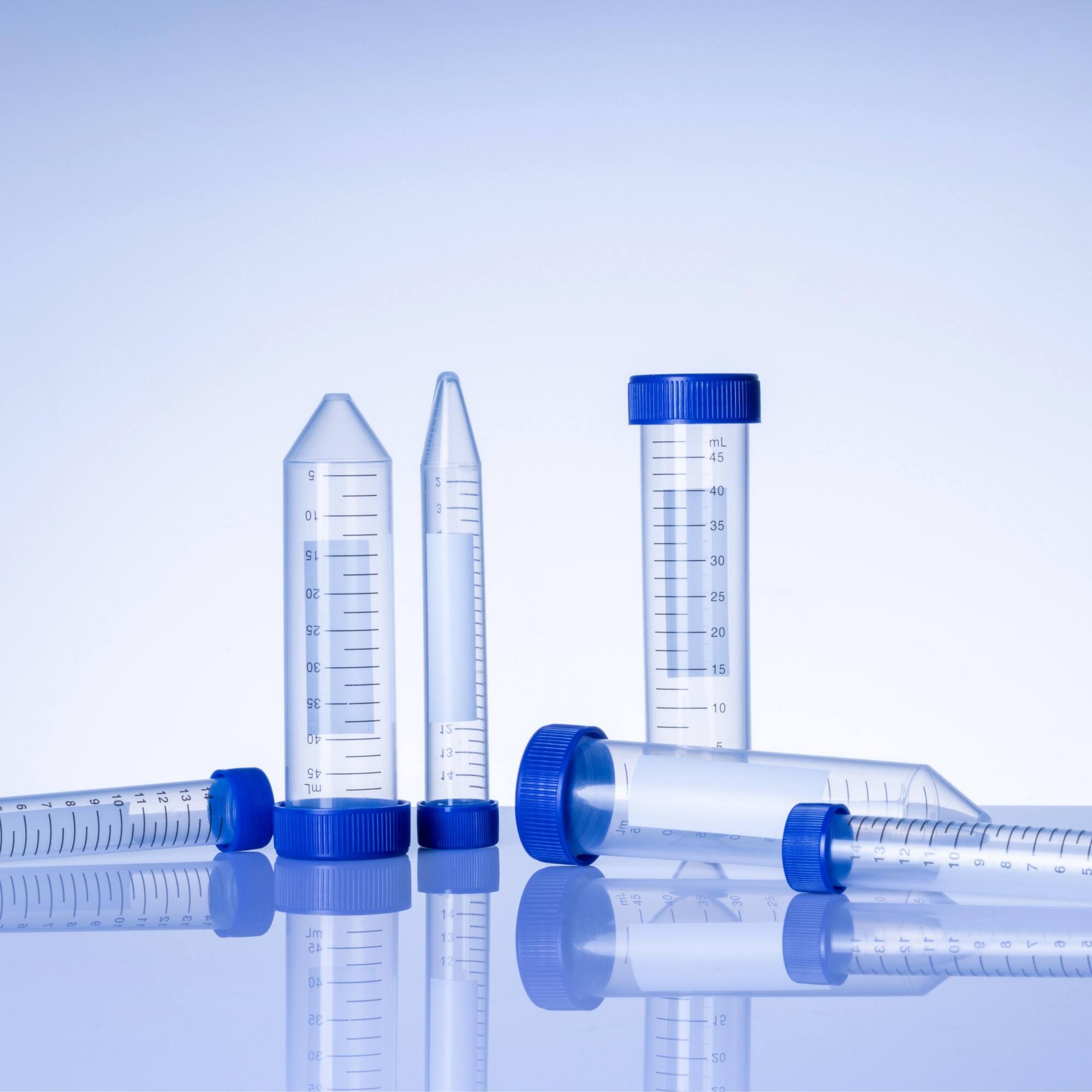
Laboratory centrifugation remains one of the most critical techniques in modern scientific research, requiring specialized equipment capable of handling extreme rotational forces while maintaining sample integrity. When working with high-speed applications, selecting the appropriate containment vessels becomes paramount to both safety and experimental success. The choice of proper centrifuge vessels directly impacts separation efficiency, sample quality, and overall laboratory productivity. Understanding the specific requirements for high-speed centrifugation helps researchers make informed decisions that optimize their experimental outcomes while ensuring operational safety.
Understanding High-Speed Centrifugation Requirements
Physical Forces and Material Stress
High-speed centrifugation subjects laboratory vessels to tremendous mechanical stress, creating forces that can exceed thousands of times the force of gravity. These extreme conditions demand containers engineered specifically to withstand such intense rotational pressures without compromising structural integrity. The centrifugal force increases exponentially with rotational speed, making material selection and design specifications critical factors in preventing catastrophic failure during operation.
Materials used in high-speed applications must demonstrate exceptional tensile strength, fatigue resistance, and thermal stability under prolonged stress conditions. The molecular structure of the container material becomes particularly important when considering repeated exposure to high gravitational forces, as microscopic stress fractures can develop over time and lead to sudden failure. Understanding these fundamental physical principles helps laboratory personnel appreciate the engineering complexity involved in designing reliable high-speed centrifuge vessels.
Temperature Considerations During Operation
High-speed rotation generates significant heat through friction and mechanical energy conversion, creating thermal challenges that standard laboratory containers cannot adequately address. Temperature fluctuations during centrifugation can affect both sample stability and container performance, making thermal management a crucial design consideration. The coefficient of thermal expansion becomes particularly relevant when evaluating how different materials respond to rapid temperature changes during acceleration and deceleration phases.
Effective thermal dissipation properties help maintain consistent sample temperatures throughout the centrifugation process, preventing thermal degradation of sensitive biological materials. Advanced container designs often incorporate features that promote heat transfer while maintaining structural strength, ensuring optimal performance across a wide range of operating temperatures. These thermal considerations become increasingly important as rotational speeds increase and centrifugation times extend beyond standard protocols.
Material Selection Criteria
Polymer Engineering and Chemical Resistance
Modern high-speed centrifuge vessels utilize advanced polymer engineering to achieve the perfect balance of strength, flexibility, and chemical resistance required for demanding laboratory applications. Polypropylene and polycarbonate represent the most common material choices, each offering distinct advantages depending on specific application requirements. These engineered plastics provide excellent resistance to chemical degradation while maintaining the mechanical properties necessary for high-speed operation.
Chemical compatibility becomes particularly important when working with aggressive solvents, acids, or bases that might compromise container integrity during extended exposure. The molecular structure of selected polymers must resist chemical attack while maintaining dimensional stability under extreme centrifugal forces. Advanced material formulations often incorporate additives that enhance specific properties such as UV resistance, impact strength, or thermal stability without compromising overall performance characteristics.
Manufacturing Quality and Precision
Precision manufacturing techniques ensure consistent wall thickness, uniform material distribution, and reliable sealing mechanisms that prevent sample leakage during high-speed operation. Quality control measures during production include stress testing, dimensional verification, and material property validation to guarantee each container meets stringent performance specifications. These manufacturing standards become increasingly critical as rotational speeds increase and safety margins decrease.
Advanced molding techniques create seamless construction that eliminates weak points commonly found in multi-piece assemblies, reducing the risk of catastrophic failure under extreme stress conditions. Surface finish quality affects both chemical resistance and cleaning efficiency, making manufacturing precision essential for maintaining laboratory hygiene standards. The consistency of manufacturing processes directly impacts product reliability and user confidence in high-stakes research applications.
Capacity and Volume Considerations
Optimal Fill Levels and Balance
Proper sample volume management plays a critical role in achieving optimal centrifugation performance while maintaining operational safety throughout the separation process. Overfilling containers creates excessive stress on closure mechanisms and increases the risk of sample spillage during high-speed rotation. Conversely, insufficient sample volumes can create imbalanced loading conditions that compromise separation efficiency and potentially damage centrifuge equipment.
Professional laboratory practice recommends maintaining sample volumes between 60% and 80% of total container capacity to ensure optimal performance during high-speed applications. This volume range provides adequate space for sample expansion while maintaining proper balance distribution across opposing positions within the rotor assembly. Understanding these volume relationships helps researchers maximize separation efficiency while minimizing operational risks.
Container Size Optimization
Selecting appropriate container sizes depends on sample volume requirements, desired separation resolution, and available centrifuge capacity limitations. Larger containers accommodate higher sample volumes but may require longer acceleration times and increased energy consumption during operation. Smaller containers offer faster processing times and improved temperature control but may limit total sample throughput for high-volume applications.
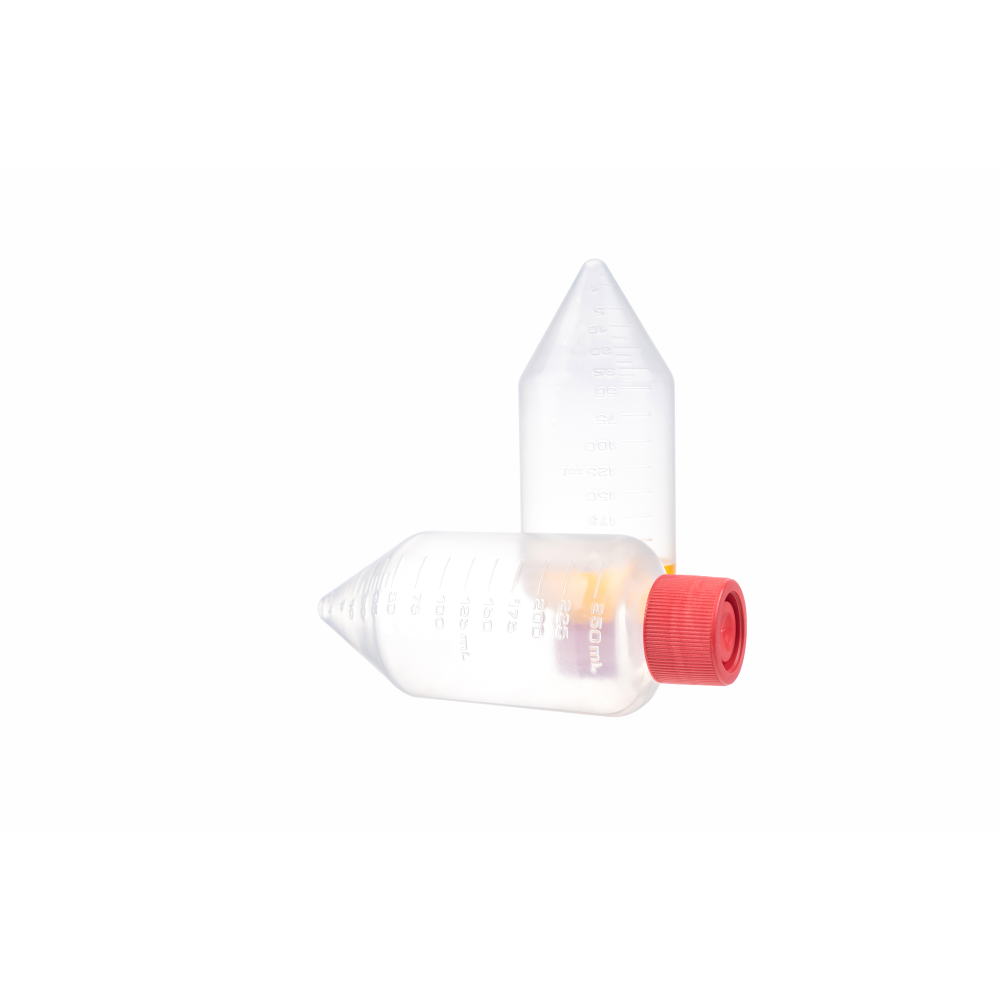
The relationship between container geometry and separation efficiency becomes particularly important when optimizing protocols for specific applications. Tall, narrow containers provide longer sedimentation paths that enhance separation resolution, while shorter, wider designs reduce processing times but may compromise fine particle separation. A high-speed centrifuge bottle designed with optimal geometry maximizes both separation efficiency and operational safety for demanding laboratory applications.
Safety Features and Design Elements
Closure Systems and Sealing Technology
Advanced closure systems incorporate multiple sealing mechanisms that prevent sample leakage while maintaining easy access for loading and unloading procedures. O-ring seals, threaded caps, and positive locking mechanisms work together to create secure containment that withstands extreme centrifugal forces. These sophisticated sealing systems must balance accessibility with security, ensuring reliable performance throughout repeated use cycles.
The design of closure systems directly impacts both sample integrity and user safety during high-speed centrifugation operations. Proper sealing prevents aerosol formation and cross-contamination while maintaining the sterile environment necessary for sensitive biological samples. Advanced closure designs often incorporate visual indicators that confirm proper installation and sealing before centrifugation begins.
Stress Distribution and Structural Integrity
Engineered stress distribution features help manage the extreme forces generated during high-speed rotation, preventing localized stress concentrations that could lead to container failure. Reinforced bottom designs, graduated wall thickness, and optimized shape profiles work together to distribute mechanical loads evenly throughout the container structure. These design elements become increasingly important as rotational speeds approach maximum operational limits.
Structural analysis during the design phase identifies potential failure modes and incorporates appropriate safety factors to ensure reliable operation under extreme conditions. Computer modeling and finite element analysis help optimize container geometry for maximum strength while minimizing material usage and production costs. These advanced design techniques result in containers that provide exceptional safety margins without unnecessary bulk or complexity.
Application-Specific Selection Guidelines
Biological Sample Processing
Biological sample processing requires containers that maintain sample viability while providing efficient separation of cellular components, proteins, or nucleic acids. Biocompatible materials prevent unwanted interactions between container surfaces and sensitive biological molecules, ensuring accurate experimental results. The surface chemistry of container materials becomes particularly important when working with proteins that may adsorb to inappropriate surfaces.
Sterilization compatibility allows containers to undergo standard laboratory sterilization procedures without compromising material properties or dimensional stability. Gamma radiation, autoclave sterilization, and chemical sterilization methods each place different demands on container materials, requiring careful selection based on specific sterilization protocols. Understanding these requirements helps researchers select containers that maintain sterility without introducing unwanted variables into their experiments.
Chemical Analysis and Sample Preparation
Chemical analysis applications often involve aggressive solvents, extreme pH conditions, or reactive compounds that challenge standard container materials. Chemical resistance charts provide essential guidance for selecting appropriate materials based on specific chemical compatibility requirements. Understanding the interaction between container materials and sample chemicals prevents contamination and ensures accurate analytical results.
Sample preparation protocols may require multiple centrifugation steps with different chemical conditions, necessitating containers that maintain integrity throughout complex procedures. The ability to withstand repeated exposure to various chemicals without degradation becomes essential for laboratories performing routine analytical work. High-speed centrifuge bottle designs that incorporate superior chemical resistance enable reliable performance across diverse analytical applications.
Maintenance and Lifecycle Considerations
Cleaning and Decontamination Protocols
Effective cleaning protocols extend container lifespan while maintaining the high hygiene standards essential for accurate laboratory work. Surface properties that resist protein adhesion and facilitate thorough cleaning reduce the risk of cross-contamination between samples. Understanding appropriate cleaning agents and techniques prevents damage to container materials while ensuring complete decontamination.
Automated cleaning systems often require containers designed to withstand high-pressure spray, elevated temperatures, and aggressive detergents without compromising structural integrity. The compatibility between container materials and standard laboratory cleaning protocols becomes an important selection criterion for high-throughput laboratories. Proper maintenance practices significantly extend usable container life while maintaining consistent performance characteristics.
Inspection and Replacement Criteria
Regular inspection protocols help identify signs of wear, stress cracking, or chemical degradation that could compromise container safety during high-speed operation. Visual inspection techniques, dimensional measurements, and functional testing provide comprehensive evaluation methods for determining container condition. Establishing clear replacement criteria based on objective measurements ensures optimal safety margins throughout container service life.
Documentation of container usage history, including cycle counts, maximum speeds, and chemical exposures, helps predict remaining service life and optimize replacement scheduling. Proactive replacement programs prevent unexpected failures that could damage expensive centrifuge equipment or compromise valuable samples. Understanding container lifecycle patterns enables laboratories to balance cost considerations with safety requirements effectively.
FAQ
What speed ratings should I look for in high-speed centrifuge containers
High-speed centrifuge containers should be rated for speeds significantly exceeding your maximum operational requirements, typically with safety factors of 2-3 times the intended use speed. Look for containers certified for speeds of at least 15,000-20,000 RPM for general high-speed applications, with higher ratings available for specialized ultra-high-speed work. Always verify that container speed ratings match or exceed your centrifuge's maximum capabilities to ensure safe operation.
How do I determine the appropriate material for my specific application
Material selection depends on your specific chemical environment, temperature requirements, and sterilization needs. Polypropylene offers excellent chemical resistance and autoclave compatibility for most biological applications, while polycarbonate provides superior clarity for visual monitoring applications. Consult chemical compatibility charts and consider factors such as temperature resistance, mechanical strength, and any special requirements like UV transparency or electrical conductivity.
What volume capacity offers the best balance of efficiency and safety
Optimal container capacity depends on your sample volumes and centrifuge specifications, but generally, 250-500ml containers provide excellent versatility for most high-speed applications. These sizes offer sufficient capacity for substantial sample volumes while maintaining manageable weight and stress distributions during high-speed rotation. Consider your typical sample sizes and select containers that accommodate 150-200% of your normal volumes to provide operational flexibility.
How often should high-speed centrifuge containers be replaced
Replacement frequency depends on usage intensity, chemical exposure, and operational stress levels, but most high-quality containers should provide reliable service for 2-5 years under normal laboratory conditions. Implement regular inspection schedules to monitor for stress cracking, chemical degradation, or seal deterioration, and maintain usage logs to track cycle counts and exposure history. Replace containers immediately if any signs of damage or wear become apparent, regardless of age or cycle count.