
 EN
EN



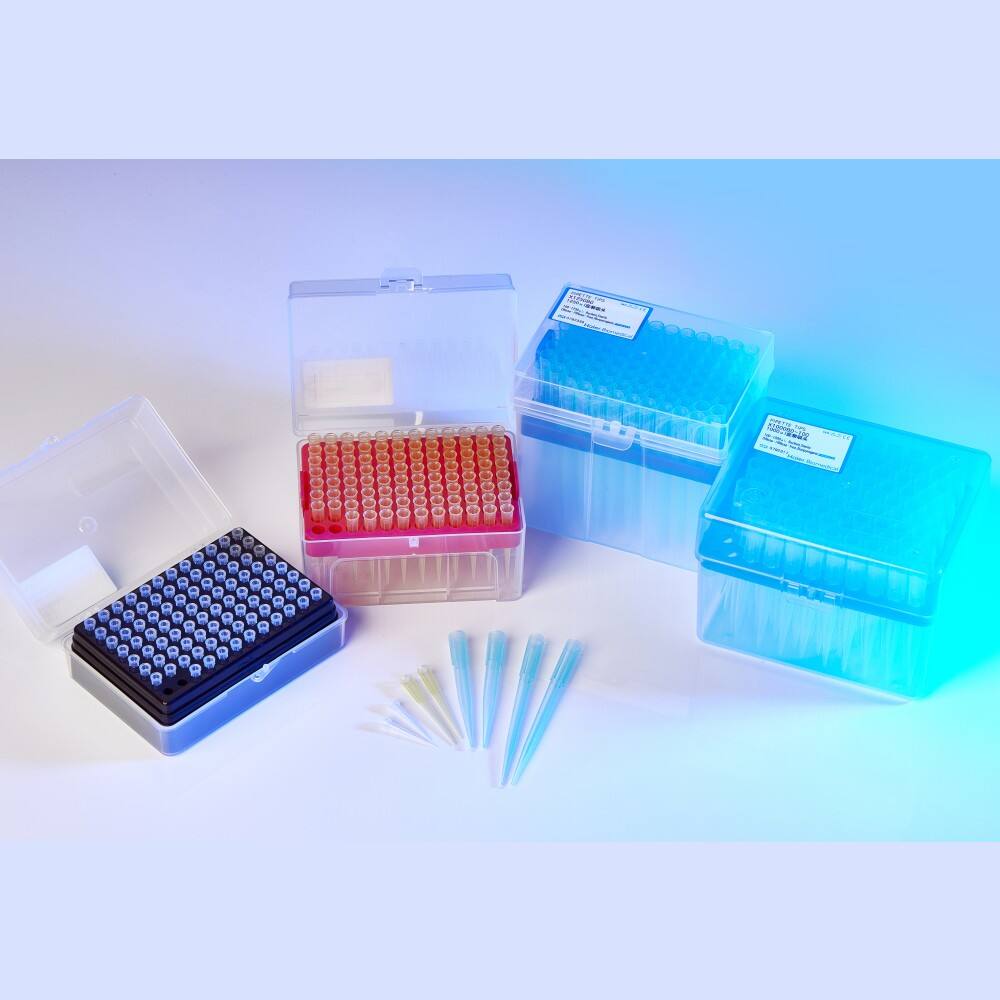
In the rapidly evolving landscape of molecular biology and clinical diagnostics, laboratory equipment plays a pivotal role in ensuring accurate and reliable results. Among the essential consumables that form the backbone of countless research protocols, centrifuge tubes stand out as indispensable tools that enable scientists to separate, purify, and analyze biological samples with precision. These specialized containers have revolutionized the way researchers approach sample preparation, making complex analytical procedures more efficient and reproducible across diverse scientific disciplines.
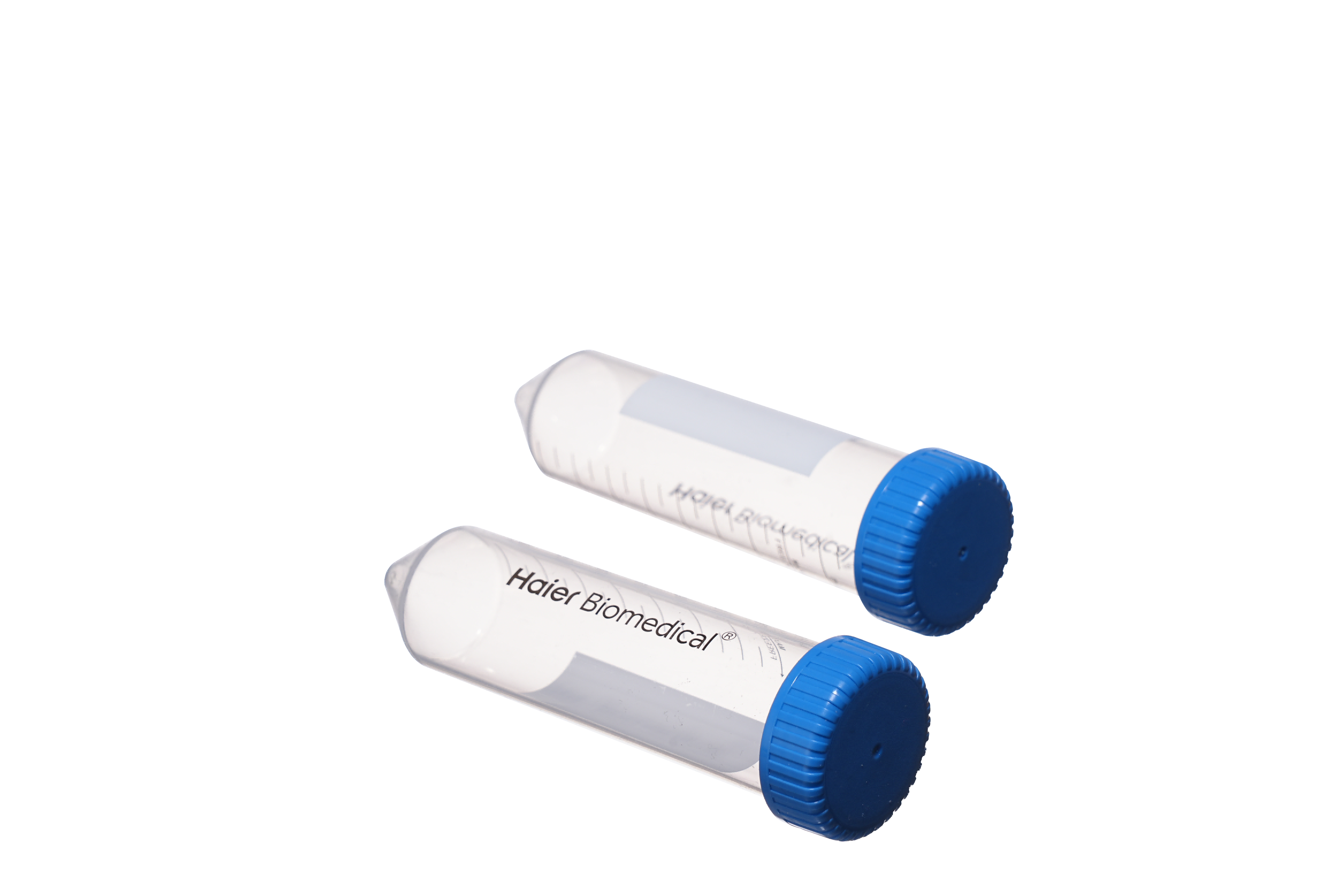
The significance of high-quality centrifuge tubes extends far beyond their apparent simplicity, as these laboratory consumables directly impact the integrity of research outcomes and clinical diagnoses. Modern molecular research demands exceptional precision in sample handling, where even minor contamination or structural failure can compromise months of dedicated work. Understanding the critical role these tubes play in contemporary scientific research reveals why selecting appropriate centrifugation vessels has become a fundamental consideration for laboratories worldwide.
Fundamental Properties and Design Features
Material Composition and Chemical Resistance
The construction of centrifuge tubes involves careful selection of materials that can withstand extreme centrifugal forces while maintaining chemical inertness. Most high-quality tubes are manufactured from polypropylene or polycarbonate, materials chosen for their exceptional durability and resistance to a wide range of chemicals commonly used in laboratory settings. Polypropylene variants offer superior chemical resistance to acids, bases, and organic solvents, making them ideal for diverse analytical applications where sample integrity is paramount.
The molecular structure of these materials provides excellent temperature stability, allowing centrifuge tubes to maintain their structural integrity across temperature ranges from cryogenic storage conditions to elevated incubation temperatures. This thermal resilience ensures that samples remain uncontaminated and properly contained throughout various experimental procedures, regardless of environmental conditions or processing requirements.
Precision Engineering and Dimensional Accuracy
Modern centrifuge tube manufacturing employs advanced injection molding techniques to achieve precise dimensional tolerances that ensure optimal performance in high-speed centrifugation applications. The wall thickness distribution is carefully controlled to provide uniform stress distribution during centrifugation, preventing structural failure even under extreme rotational forces. This precision engineering extends to the tube caps, which feature secure sealing mechanisms that prevent sample leakage while allowing for easy opening and closing during routine laboratory operations.
The conical bottom design of most centrifuge tubes represents a critical engineering feature that facilitates efficient pellet formation and sample recovery. This tapered geometry concentrates separated materials into a small volume, enabling researchers to achieve maximum recovery of precious samples while minimizing loss during transfer procedures. The smooth interior surfaces are specifically designed to reduce sample adhesion and facilitate complete sample recovery.
Applications in Molecular Biology Research
DNA and RNA Isolation Procedures
Nucleic acid extraction protocols represent one of the most demanding applications for centrifuge tubes, requiring containers that can withstand multiple centrifugation cycles while maintaining absolute sterility. The isolation of genomic DNA from various biological samples involves aggressive chemical treatments and high-speed centrifugation steps that test the limits of container durability. Quality centrifuge tubes ensure that extracted nucleic acids remain free from contaminating substances that could interfere with downstream applications such as PCR amplification or sequencing reactions.
RNA extraction procedures place even greater demands on centrifugation vessels due to the inherent instability of RNA molecules and the need for RNase-free environments. Specialized centrifuge tubes designed for RNA work feature ultra-low nuclease activity and exceptional chemical purity, preventing degradation of valuable RNA samples during purification procedures. The secure sealing properties of these tubes also prevent cross-contamination between samples, a critical consideration when working with precious or limited biological specimens.
Protein Purification and Biochemical Analysis
Protein research applications require centrifuge tubes capable of handling complex buffer systems and maintaining protein stability throughout purification procedures. The separation of cellular proteins from complex biological matrices involves multiple centrifugation steps at varying speeds and temperatures, demanding containers with exceptional mechanical strength and thermal stability. These tubes must resist protein adhesion while providing clear visibility for monitoring separation progress and pellet formation.
Advanced protein analysis techniques such as immunoprecipitation and enzyme purification rely heavily on the performance characteristics of centrifuge tubes. The smooth interior surfaces and precise volume markings enable accurate sample measurement and consistent experimental results. Furthermore, the chemical inertness of high-quality tubes prevents unwanted interactions with sensitive protein samples, ensuring that purified proteins retain their biological activity for subsequent analytical procedures.
Clinical Laboratory Applications
Blood Sample Processing and Serum Separation
Clinical laboratories depend on reliable centrifuge tubes for processing thousands of patient samples daily, where consistency and accuracy directly impact diagnostic outcomes. Blood collection and processing procedures require tubes that can efficiently separate cellular components from plasma or serum while maintaining sample integrity throughout the analytical workflow. The centrifugation process must produce clear separation boundaries that enable accurate measurement of various blood parameters essential for medical diagnosis.
Serum separator tubes incorporate specialized gel barriers that create permanent separation between serum and cellular components during centrifugation. These advanced designs eliminate the need for sample transfer procedures, reducing the risk of contamination and improving workflow efficiency in high-throughput clinical environments. The optical clarity of quality centrifuge tubes allows laboratory technicians to visually assess separation quality and identify potential sample quality issues before analysis.
Microbiological Sample Concentration
Microbiological applications in clinical laboratories require centrifuge tubes capable of concentrating bacterial, viral, and fungal specimens from various clinical samples. The concentration of microorganisms from body fluids, tissue homogenates, and environmental samples involves specialized centrifugation protocols that demand exceptional tube performance. These applications often require extended centrifugation times at high speeds, testing the structural integrity and chemical resistance of the tubes.
Pathogen detection protocols frequently involve harsh chemical treatments and extreme pH conditions that can challenge the stability of centrifuge tubes. Quality tubes maintain their structural integrity throughout these demanding procedures, ensuring that concentrated microbial specimens remain viable for subsequent culture or molecular identification methods. The secure sealing mechanisms prevent aerosolization of potentially infectious materials, protecting laboratory personnel and preventing cross-contamination.
Quality Standards and Regulatory Considerations
Manufacturing Standards and Quality Control
The production of centrifuge tubes for molecular and clinical applications must adhere to stringent quality standards that ensure consistent performance and safety. International standards organizations have established comprehensive guidelines covering material specifications, dimensional tolerances, and performance requirements for laboratory consumables. These standards address critical factors such as chemical purity, mechanical strength, and sterility requirements that directly impact experimental outcomes.
Quality control procedures in centrifuge tube manufacturing include extensive testing protocols that evaluate material properties, dimensional accuracy, and performance characteristics under simulated laboratory conditions. Each production batch undergoes rigorous inspection to verify compliance with established specifications, ensuring that researchers receive products that meet their exacting requirements. Advanced testing methods assess factors such as centrifugal force tolerance, chemical resistance, and temperature stability across the expected range of laboratory applications.
Regulatory Compliance and Certification
Regulatory agencies worldwide have established specific requirements for laboratory consumables used in clinical and research applications. These regulations address material safety, manufacturing processes, and quality assurance procedures that manufacturers must follow to ensure product safety and efficacy. Compliance with regulatory standards provides laboratories with confidence that their centrifuge tubes meet established safety and performance criteria.
Certification processes involve comprehensive documentation of manufacturing procedures, material specifications, and quality control measures. Independent testing laboratories verify that centrifuge tubes meet stated performance specifications and comply with relevant safety standards. This certification process provides an additional layer of quality assurance that helps laboratories select appropriate products for their specific applications and regulatory requirements.
Selection Criteria and Best Practices
Volume Requirements and Size Considerations
Selecting appropriate centrifuge tubes requires careful consideration of sample volumes and processing requirements specific to each laboratory application. The most commonly used sizes include 1.5ml microcentrifuge tubes for small-scale molecular biology applications, 15ml tubes for medium-volume samples, and 50ml tubes for larger sample processing requirements. Each size category offers specific advantages in terms of centrifugal force tolerance, sample visibility, and handling convenience.
The relationship between tube volume and centrifugal force capacity represents a critical selection criterion, as smaller tubes generally withstand higher relative centrifugal forces while larger tubes accommodate greater sample volumes. Laboratory managers must balance these factors against their specific application requirements to optimize both sample processing efficiency and equipment utilization. Proper size selection also impacts storage requirements and overall laboratory workflow efficiency.
Specialized Features and Accessories
Modern centrifuge tubes offer various specialized features designed to enhance laboratory productivity and sample handling convenience. Graduated volume markings provide accurate sample measurement capabilities, while frosted writing surfaces enable clear sample identification using standard laboratory markers. Some tubes incorporate snap-cap designs that provide secure closure while allowing single-handed operation, improving workflow efficiency in high-throughput environments.
Advanced tube designs include features such as DNase/RNase-free certification for molecular biology applications, low-protein binding surfaces for protein research, and specialized cap colors for sample coding and organization. These enhanced features address specific application requirements while maintaining the fundamental performance characteristics essential for reliable centrifugation results. Selection of appropriate features can significantly impact laboratory productivity and experimental success rates.
FAQ
What is the maximum centrifugal force that standard centrifuge tubes can withstand
Standard polypropylene centrifuge tubes can typically withstand centrifugal forces ranging from 15,000 to 30,000 x g, depending on their size and construction. Smaller microcentrifuge tubes generally tolerate higher forces, while larger tubes have lower maximum force ratings. Always consult manufacturer specifications and ensure your centrifuge settings do not exceed the tube's rated capacity to prevent structural failure and potential safety hazards.
How do I ensure proper sterility when using centrifuge tubes for molecular biology applications
Choose centrifuge tubes that are certified sterile and DNase/RNase-free for molecular biology work. Handle tubes only by their caps or outer surfaces, use sterile technique when opening, and avoid touching the interior surfaces. Store unused tubes in their original packaging in a clean, dry environment. Consider using individually wrapped sterile tubes for critical applications where contamination risk must be minimized.
Can centrifuge tubes be reused for different types of samples
While centrifuge tubes can potentially be reused after proper cleaning and sterilization, this practice is not recommended for most molecular biology and clinical applications due to contamination risks. The cost of tubes is generally minimal compared to the value of samples and experimental results, making single-use disposal the safer option. If reuse is necessary, implement thorough decontamination protocols and reserve specific tubes for compatible sample types only.
What should I do if a centrifuge tube breaks during operation
If tube breakage occurs during centrifugation, immediately stop the centrifuge and allow it to come to a complete stop before opening. Wear appropriate personal protective equipment including gloves and eye protection when cleaning up. Carefully remove broken pieces and clean the rotor thoroughly with appropriate disinfectants. Inspect other tubes in the same run for damage and consider whether the samples can be salvaged based on your specific application requirements and safety protocols.
Table of Contents
- Fundamental Properties and Design Features
- Applications in Molecular Biology Research
- Clinical Laboratory Applications
- Quality Standards and Regulatory Considerations
- Selection Criteria and Best Practices
-
FAQ
- What is the maximum centrifugal force that standard centrifuge tubes can withstand
- How do I ensure proper sterility when using centrifuge tubes for molecular biology applications
- Can centrifuge tubes be reused for different types of samples
- What should I do if a centrifuge tube breaks during operation