
 EN
EN



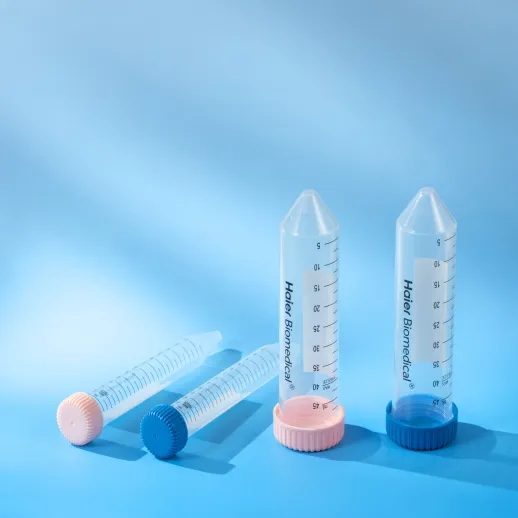
Laboratory reproducibility stands as the cornerstone of reliable scientific research, and the precision instruments used in daily protocols directly impact experimental outcomes. Among the most critical tools in any laboratory setting, serological pipettes represent an essential component for accurate liquid handling across diverse research applications. These graduated pipettes offer researchers the ability to measure and transfer precise volumes of liquids, from cell culture media to buffer solutions, with remarkable consistency that forms the foundation of reproducible experimental results.
The significance of proper liquid handling extends beyond basic laboratory operations, influencing everything from cell viability studies to complex biochemical assays. Modern research demands unprecedented levels of precision, where even minor variations in volume delivery can cascade into significant experimental variability. Understanding how high-quality pipetting tools contribute to experimental consistency helps laboratories establish robust protocols that generate reliable, publishable data across multiple trials and research teams.
Understanding Serological Pipette Design and Functionality
Precision Engineering for Accurate Volume Delivery
The construction of serological pipettes incorporates advanced manufacturing techniques that ensure exceptional volumetric accuracy across their entire graduated range. These instruments typically feature clear, easy-to-read graduation marks that allow researchers to measure volumes with precision levels often exceeding 99% accuracy. The internal bore diameter remains consistent throughout the pipette length, eliminating the variability that can occur with less precisely manufactured alternatives.
Quality serological pipettes undergo rigorous calibration processes during manufacturing, with each graduation mark precisely etched or printed to correspond exactly to the intended volume. This attention to detail in the manufacturing process translates directly to improved experimental reproducibility, as researchers can confidently rely on consistent volume delivery across multiple experimental trials. The materials used in construction, typically high-grade polystyrene or glass, resist chemical interactions that might otherwise compromise volume accuracy over time.
Sterility and Contamination Prevention Features
Modern serological pipettes incorporate sophisticated design elements specifically engineered to maintain sterile conditions throughout liquid handling procedures. Individual packaging systems protect each pipette from environmental contamination until the moment of use, while specialized tip designs minimize the risk of cross-contamination between samples. These sterility features prove particularly crucial in cell culture applications, where even minor contamination events can invalidate entire experimental datasets.
Advanced manufacturing processes ensure that each pipette meets stringent sterility standards without compromising volumetric accuracy. Gamma irradiation sterilization methods preserve the structural integrity of the pipette while eliminating potential biological contaminants. This dual focus on sterility and precision enables researchers to maintain consistent experimental conditions across multiple trials, directly contributing to improved reproducibility outcomes.
Volume Range Optimization for Diverse Applications
Small Volume Applications and Micro-Measurements
The availability of serological pipettes in smaller volume ranges enables precise handling of precious samples and reagents where accuracy becomes absolutely critical. These smaller-volume instruments excel in applications such as enzyme assays, where slight variations in substrate concentration can dramatically alter reaction kinetics and final results. The graduated markings on these pipettes allow for incremental measurements that support complex experimental protocols requiring multiple small-volume additions.
Research involving expensive reagents particularly benefits from the precision offered by small-volume serological pipettes, as accurate measurement reduces waste while maintaining experimental integrity. The clear visibility of graduation marks enables researchers to perform precise measurements even when working with colored or opaque solutions, ensuring consistent reagent concentrations across all experimental replicates. This level of precision proves essential in quantitative analyses where reproducibility depends heavily on exact reagent ratios.
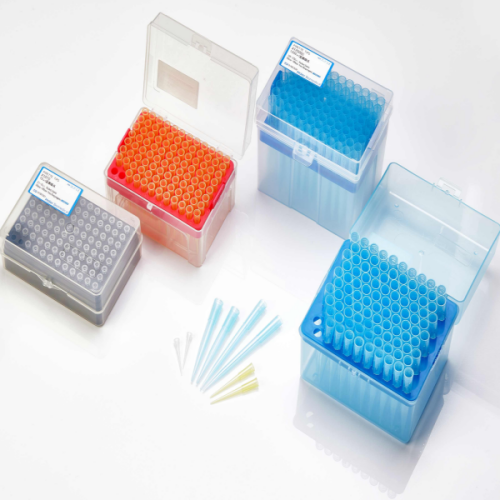
Large Volume Handling and Buffer Preparation
Larger volume serological pipettes facilitate efficient preparation of buffer solutions, media, and other bulk reagents while maintaining the precision necessary for reproducible experiments. These instruments enable researchers to prepare consistent working solutions across multiple experimental sessions, eliminating one major source of inter-experimental variability. The extended graduation range allows for precise measurement of larger volumes without requiring multiple smaller pipette uses, reducing both handling time and potential measurement errors.
The design of large-volume serological pipettes incorporates features that maintain accuracy even when handling substantial liquid volumes. Reinforced construction prevents flexing or deformation that might compromise measurement precision, while ergonomic considerations reduce operator fatigue during extended pipetting sessions. This combination of durability and precision ensures that bulk reagent preparation maintains the same accuracy standards as smaller-scale measurements, supporting overall experimental reproducibility.
Impact on Cell Culture Reproducibility
Media Exchange and Cell Maintenance Protocols
Cell culture applications represent one of the most demanding environments for liquid handling precision, where serological pipettes play a crucial role in maintaining consistent cellular environments. Regular media exchanges require precise volume measurements to maintain optimal cell density and nutrient concentrations, factors that directly influence cell behavior and experimental outcomes. The gentle liquid handling characteristics of quality serological pipettes minimize cellular stress during media changes, contributing to more consistent cell growth patterns across experimental replicates.
The graduated design of serological pipettes allows researchers to monitor and adjust media volumes with exceptional precision, ensuring that cell cultures receive consistent nutritional support throughout experimental periods. This consistency in media management translates directly to improved reproducibility in cell-based assays, where cellular health and growth characteristics can significantly impact experimental results. Proper volume control during media exchanges also helps maintain consistent pH and osmolarity levels, critical parameters for cellular reproducibility.
Cell Seeding and Density Control
Accurate cell seeding represents a fundamental requirement for reproducible cell culture experiments, where serological pipettes provide the precision necessary for consistent cell density across multiple wells or culture vessels. The ability to measure exact volumes of cell suspensions enables researchers to establish identical starting conditions for each experimental replicate, eliminating cell density as a variable that might otherwise compromise experimental reproducibility. Proper cell seeding density affects everything from growth kinetics to drug response patterns in cellular assays.
The smooth bore design of quality serological pipettes minimizes cell damage during transfer procedures, preserving cell viability and function across seeding operations. This gentle handling characteristic becomes particularly important when working with sensitive cell lines or primary cultures, where mechanical stress can alter cellular behavior and compromise experimental outcomes. Consistent cell seeding achieved through precise liquid handling establishes the foundation for reproducible cell-based research across multiple experimental sessions.
Quality Control and Calibration Considerations
Manufacturing Standards and Accuracy Verification
The manufacturing processes behind high-quality serological pipettes incorporate multiple quality control checkpoints that ensure volumetric accuracy meets or exceeds stated specifications. Each production batch undergoes statistical sampling and testing procedures that verify graduation accuracy across the full volume range. These quality control measures provide laboratories with confidence that their liquid handling tools will deliver consistent performance throughout their useful lifetime, directly supporting experimental reproducibility goals.
Certification documentation accompanying quality serological pipettes provides laboratories with traceable accuracy data that supports regulatory compliance and quality assurance programs. This documentation becomes particularly valuable in regulated environments where measurement accuracy must be documented and verified. The availability of certified accuracy data enables laboratories to incorporate pipette specifications into their broader quality management systems, ensuring that liquid handling precision remains consistent across all research activities.
Storage and Handling Best Practices
Proper storage and handling procedures significantly influence the long-term accuracy and reliability of serological pipettes, directly impacting their contribution to experimental reproducibility. Environmental factors such as temperature fluctuations and physical stress can affect pipette accuracy over time, making proper storage protocols essential for maintaining measurement precision. Laboratories that implement comprehensive pipette management procedures consistently achieve better reproducibility outcomes across their research programs.
Regular inspection and replacement schedules ensure that serological pipettes continue to deliver accurate volume measurements throughout their service life. Visual inspection for cracks, chips, or other damage helps identify pipettes that might compromise measurement accuracy, while systematic replacement procedures prevent the gradual degradation of liquid handling precision. These proactive maintenance approaches support the long-term reproducibility of experimental protocols that depend on accurate volume delivery.
Integration with Modern Laboratory Workflows
Compatibility with Automated Systems
Contemporary laboratory environments increasingly incorporate automated liquid handling systems, where serological pipettes serve complementary roles in manual procedures that require human oversight and decision-making. The standardized dimensions and performance characteristics of quality serological pipettes ensure compatibility with automated systems when manual intervention becomes necessary. This integration capability allows laboratories to maintain consistency between automated and manual liquid handling procedures, supporting overall experimental reproducibility.
The precision characteristics of serological pipettes align well with the accuracy requirements of modern automated systems, enabling seamless transitions between manual and automated procedures within the same experimental protocol. This compatibility becomes particularly valuable in complex multi-step procedures where certain operations benefit from human oversight while others achieve optimal efficiency through automation. Consistent liquid handling accuracy across both manual and automated steps eliminates potential sources of experimental variability.
Documentation and Traceability Requirements
Modern research environments emphasize comprehensive documentation and traceability throughout experimental procedures, where serological pipettes contribute to these requirements through their certified accuracy specifications and lot tracking capabilities. The availability of detailed manufacturing information enables laboratories to maintain complete records of the tools used in specific experiments, supporting data integrity and regulatory compliance requirements. This traceability becomes particularly important in research that may eventually support regulatory submissions or clinical applications.
Electronic laboratory notebook systems increasingly incorporate pipette identification and calibration data as part of comprehensive experimental documentation protocols. The integration of liquid handling tool specifications into digital record-keeping systems ensures that measurement accuracy remains traceable throughout the research process. This enhanced documentation capability supports reproducibility efforts by enabling researchers to identify and address potential sources of experimental variability related to liquid handling procedures.
FAQ
How often should serological pipettes be replaced to maintain accuracy
Serological pipettes should be replaced according to manufacturer recommendations and laboratory usage patterns, typically after showing signs of wear such as scratches, chips, or unclear graduation marks. Most laboratories implement replacement schedules based on visual inspection protocols combined with periodic accuracy verification testing. Single-use sterile pipettes eliminate concerns about degradation over time, while reusable glass pipettes may require replacement after hundreds of uses depending on handling and cleaning procedures.
What factors most significantly impact serological pipette accuracy
Temperature variations, liquid properties, and pipetting technique represent the primary factors affecting serological pipette accuracy in laboratory applications. Consistent room temperature conditions help maintain calibrated accuracy, while understanding liquid viscosity and surface tension effects enables appropriate technique adjustments. Proper pipetting angles, controlled dispensing speeds, and consistent meniscus reading techniques significantly influence measurement precision across different liquid types and experimental conditions.
How do serological pipettes compare to micropipettes for reproducibility
Serological pipettes excel in applications requiring larger volume measurements and visual volume monitoring, while micropipettes provide superior precision for smaller volumes typically below 1000 microliters. The choice between these instruments depends on specific experimental requirements, with serological pipettes offering advantages in cell culture applications and buffer preparation where volume visibility and gentle liquid handling become priorities. Both instrument types contribute to reproducibility when properly selected and used according to their optimal volume ranges.
What volume ranges offer the best accuracy with serological pipettes
Serological pipettes typically deliver optimal accuracy within their upper 80% volume range, where graduation spacing provides adequate resolution for precise measurements. For example, a 10ml pipette performs most accurately between 2ml and 10ml, while measurements below 20% of total capacity may show increased relative error. Understanding these accuracy characteristics helps researchers select appropriate pipette sizes for specific applications, ensuring that volume measurements fall within the optimal accuracy range for their experimental requirements.