
 EN
EN



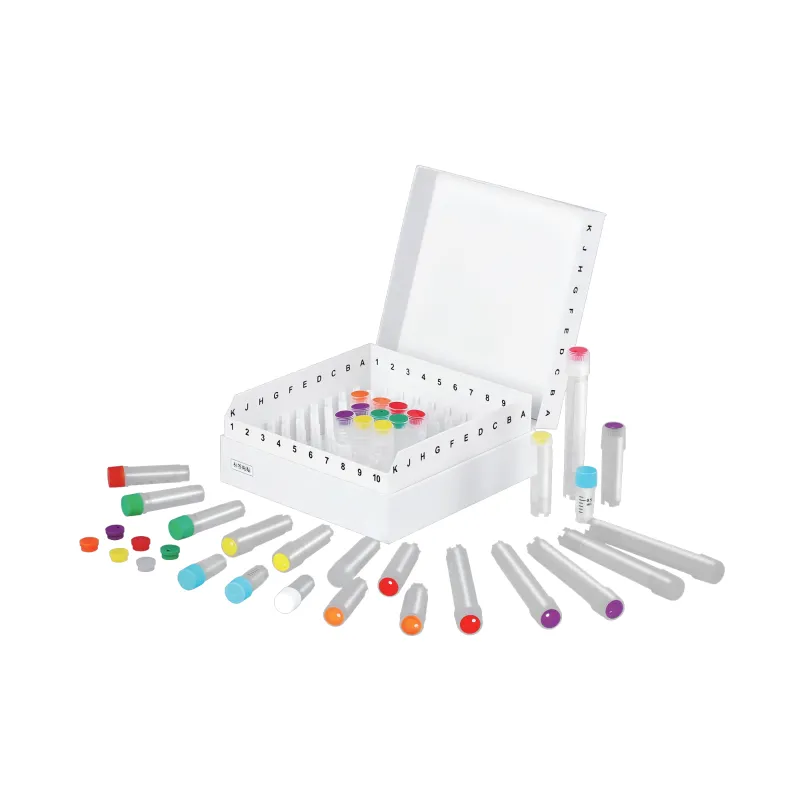
Microcentrifuge tubes serve as fundamental laboratory tools that play an essential role in modern molecular biology and biochemistry research. These small, precise containers are specifically engineered to withstand high-speed centrifugation while maintaining sample integrity during critical protein and DNA analysis procedures. Scientists and researchers worldwide rely on microcentrifuge tubes for their exceptional performance in sample preparation, storage, and processing applications across various laboratory environments.
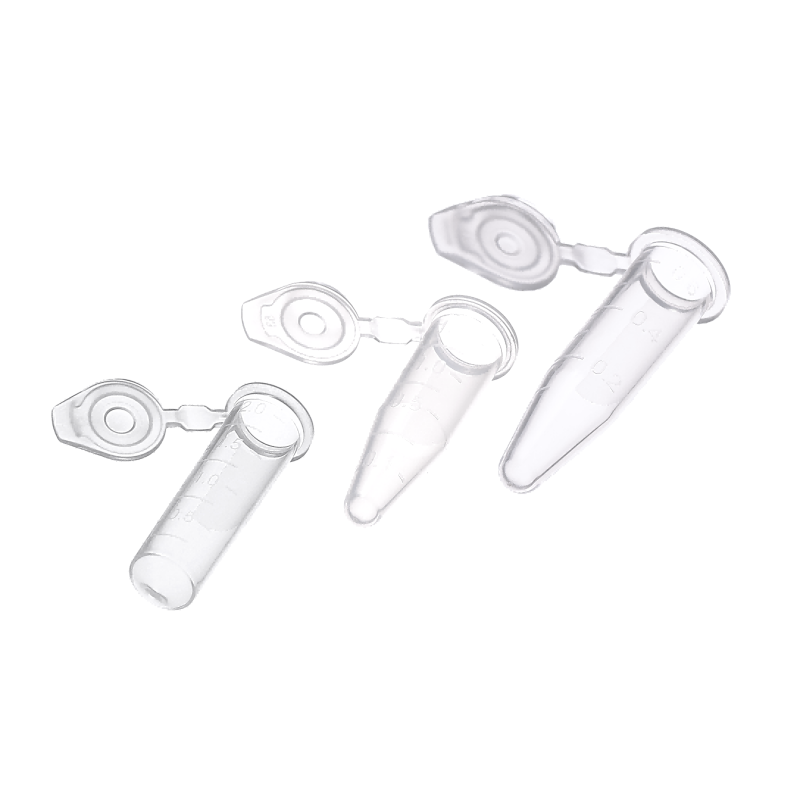
The significance of microcentrifuge tubes extends beyond simple sample containment, as they directly influence experimental outcomes and data reliability. Their specialized design features enable precise temperature control, contamination prevention, and optimal centrifugal force distribution during high-speed rotation cycles. Laboratory professionals understand that selecting appropriate microcentrifuge tubes can significantly impact the success of protein purification, DNA extraction, and various analytical procedures that form the backbone of contemporary biological research.
Design Features and Construction Materials
Polypropylene Construction Benefits
Modern microcentrifuge tubes are predominantly manufactured from high-grade polypropylene, a material chosen for its exceptional chemical resistance and mechanical durability. This construction material ensures that microcentrifuge tubes maintain structural integrity when exposed to extreme temperatures ranging from -80°C to 121°C during various laboratory procedures. The polypropylene composition also provides excellent clarity, allowing researchers to observe sample characteristics and monitor reaction progress without interference from tube materials.
The molecular structure of polypropylene offers superior resistance to most common laboratory chemicals, including acids, bases, and organic solvents frequently encountered in protein and DNA analysis protocols. This chemical inertness prevents unwanted interactions between tube materials and sensitive biological samples, ensuring that experimental results remain accurate and reproducible. Additionally, the low protein binding characteristics of polypropylene minimize sample loss and maintain sample concentration throughout processing procedures.
Precision Engineering Standards
Manufacturing precision plays a crucial role in the performance capabilities of microcentrifuge tubes, with dimensional tolerances measured in micrometers to ensure consistent fit within centrifuge rotors. The conical bottom design facilitates complete sample recovery and enhances pellet formation during centrifugation procedures. Wall thickness uniformity prevents tube deformation under high centrifugal forces, maintaining sample positioning accuracy throughout processing cycles.
Quality control measures during production include rigorous testing for centrifugal force resistance, typically exceeding 25,000 times gravity acceleration. The graduated volume markings are laser-etched or molded with precision to provide accurate sample measurement capabilities. Cap design incorporates secure closure mechanisms that prevent sample evaporation while allowing for easy opening and closing during repeated use cycles.
Applications in Protein Analysis
Protein Purification Procedures
Protein analysis workflows rely heavily on microcentrifuge tubes for various purification and concentration steps that require precise sample handling and contamination prevention. During protein extraction procedures, these tubes enable efficient separation of cellular debris from target proteins through differential centrifugation techniques. The conical design facilitates complete pellet formation while allowing easy supernatant removal without disturbing precipitated materials.
Affinity chromatography applications utilize microcentrifuge tubes for fraction collection and sample preparation steps that demand sterile conditions and precise volume control. Buffer exchange procedures, essential for maintaining protein stability and activity, are commonly performed using these tubes in conjunction with centrifugal filter units. The chemical resistance of microcentrifuge tubes ensures compatibility with various buffer systems and chaotropic agents used in protein denaturation and refolding protocols.
Enzymatic Reaction Containers
Enzymatic assays and protein modification reactions frequently employ microcentrifuge tubes as reaction vessels due to their excellent temperature stability and inert surface properties. These containers provide optimal conditions for maintaining enzyme activity while preventing adsorption of proteins to tube walls that could affect reaction kinetics. The precise volume markings enable accurate reagent addition and reaction monitoring throughout experimental procedures.
Temperature-sensitive protein studies benefit from the thermal conductivity properties of microcentrifuge tubes, allowing rapid temperature equilibration in heating blocks or cooling systems. The secure cap design maintains reaction atmosphere control, preventing evaporation and contamination during extended incubation periods. Multiple tube formats accommodate various reaction volumes, from microassays requiring minimal sample quantities to larger-scale preparative procedures.
DNA Analysis Applications
Nucleic Acid Extraction Protocols
DNA extraction procedures depend on microcentrifuge tubes for their ability to withstand the mechanical stresses imposed by vigorous mixing and high-speed centrifugation steps. The robust construction enables effective cell lysis and nucleic acid precipitation without tube failure or sample contamination. Phenol-chloroform extraction protocols, commonly used for DNA purification, require chemical-resistant containers that maintain integrity when exposed to organic solvents.
Ethanol precipitation steps, essential for DNA concentration and purification, utilize the conical geometry of microcentrifuge tubes to maximize pellet formation and minimize sample loss. The transparent walls allow visual confirmation of DNA pellet formation and facilitate complete supernatant removal. RNase treatment procedures rely on these tubes to provide contamination-free environments that prevent nucleic acid degradation during purification workflows.
PCR and Molecular Cloning
Polymerase chain reaction protocols extensively utilize microcentrifuge tubes for reaction setup, template preparation, and product analysis procedures. The thermal stability of these containers enables multiple heating and cooling cycles without structural compromise or volume loss. Primer preparation, template dilution, and reaction master mix preparation all require precise pipetting capabilities that are enhanced by the smooth interior surfaces of microcentrifuge tubes.
Molecular cloning applications employ microcentrifuge tubes for transformation procedures, plasmid preparation, and restriction enzyme digestion reactions. The sterile manufacturing conditions and DNase-free certification ensure that experimental contamination risks are minimized throughout cloning workflows. Competent cell preparation and storage procedures rely on these tubes to maintain cell viability and transformation efficiency over extended storage periods.
Quality Standards and Certifications
Manufacturing Quality Controls
Reputable manufacturers of microcentrifuge tubes implement comprehensive quality assurance programs that include incoming material inspection, in-process monitoring, and final product testing procedures. These quality systems ensure consistent product performance and compliance with international laboratory standards. Batch tracking systems enable complete traceability from raw materials through final product delivery, supporting regulatory compliance requirements in clinical and pharmaceutical applications.
Sterility validation procedures verify that microcentrifuge tubes meet stringent contamination control standards required for sensitive biological applications. Endotoxin testing ensures compatibility with cell culture and in vitro applications where bacterial contamination could compromise experimental results. Certificate of analysis documentation provides detailed specifications for each product lot, including dimensional measurements, material composition, and performance test results.
Regulatory Compliance Standards
International organization for standardization guidelines establish minimum performance criteria for microcentrifuge tubes used in laboratory applications. These standards address material specifications, dimensional tolerances, and mechanical performance requirements that ensure product reliability across diverse experimental conditions. Compliance with ISO 13485 medical device standards demonstrates manufacturer commitment to quality management systems appropriate for clinical applications.
FDA registration requirements for medical device manufacturers ensure that microcentrifuge tubes intended for diagnostic applications meet appropriate safety and efficacy standards. Good manufacturing practice compliance provides additional assurance of consistent product quality and manufacturing process control. Environmental health and safety certifications address material composition and disposal considerations important for laboratory sustainability programs.
Selection Criteria and Best Practices
Volume and Size Considerations
Selecting appropriate microcentrifuge tubes requires careful consideration of sample volume requirements and centrifuge rotor compatibility specifications. Standard volumes include 0.5mL, 1.5mL, and 2.0mL capacities, each optimized for specific application ranges and equipment configurations. Overfilling tubes can lead to sample loss during centrifugation, while underfilling may result in inadequate pellet formation or poor separation efficiency.
Rotor compatibility verification ensures that selected microcentrifuge tubes fit securely within centrifuge bucket assemblies without excessive clearance or binding. The relationship between tube dimensions and centrifuge specifications directly affects achievable centrifugal forces and separation performance. Color-coding systems help organize samples and prevent cross-contamination during complex experimental protocols involving multiple sample types.
Storage and Handling Protocols
Proper storage conditions for microcentrifuge tubes include protection from direct sunlight, extreme temperatures, and contaminating substances that could affect performance characteristics. Sealed packaging maintains sterility and prevents dust accumulation that could interfere with cap closure or sample visibility. Inventory rotation systems ensure that older stock is used first, minimizing potential degradation of plastic materials over extended storage periods.
Handling procedures should minimize physical stress that could create microscopic cracks or surface damage affecting tube performance. Appropriate labeling systems using compatible markers or labels prevent sample identification errors while maintaining tube integrity. Temperature conditioning before use helps prevent thermal shock that could affect dimensional stability during critical applications requiring precise volume measurements.
FAQ
What is the maximum centrifugal force rating for standard microcentrifuge tubes
Standard microcentrifuge tubes are typically rated for centrifugal forces up to 25,000 times gravity acceleration, with premium grades capable of withstanding forces exceeding 30,000 x g. The actual force rating depends on tube wall thickness, material grade, and manufacturing quality standards. Always verify the specific force rating marked on tube packaging or manufacturer specifications before use in high-speed centrifugation applications to prevent tube failure and potential equipment damage.
Can microcentrifuge tubes be autoclaved for sterilization purposes
Yes, most polypropylene microcentrifuge tubes can be safely autoclaved at standard sterilization conditions of 121°C for 15-20 minutes. However, repeated autoclaving cycles may gradually affect tube dimensions and mechanical properties, potentially reducing centrifugal force tolerance. For critical applications requiring guaranteed sterility, purchasing pre-sterilized tubes is recommended. Always ensure caps are loosened during autoclaving to prevent pressure buildup and potential tube deformation.
How do I prevent sample evaporation during long-term storage in microcentrifuge tubes
Sample evaporation can be minimized by ensuring proper cap closure, using tubes with enhanced sealing features, and storing samples at appropriate temperatures. For long-term storage, consider using tubes with screw caps rather than snap caps for improved sealing. Adding a small amount of mineral oil overlay can prevent evaporation of aqueous samples. Parafilm wrapping around the cap junction provides additional evaporation protection for critical samples stored over extended periods.
Are there specific microcentrifuge tubes recommended for DNA versus protein applications
While standard microcentrifuge tubes work well for both DNA and protein applications, some specialized variants offer enhanced performance for specific uses. Low-retention tubes with modified surface treatments reduce protein binding, making them ideal for protein work with valuable samples. DNA applications may benefit from tubes certified as DNase and RNase-free with enhanced sterility assurance. Amber-colored tubes provide UV protection for light-sensitive nucleic acids and proteins during storage and handling procedures.
Table of Contents
- Design Features and Construction Materials
- Applications in Protein Analysis
- DNA Analysis Applications
- Quality Standards and Certifications
- Selection Criteria and Best Practices
-
FAQ
- What is the maximum centrifugal force rating for standard microcentrifuge tubes
- Can microcentrifuge tubes be autoclaved for sterilization purposes
- How do I prevent sample evaporation during long-term storage in microcentrifuge tubes
- Are there specific microcentrifuge tubes recommended for DNA versus protein applications