
 EN
EN



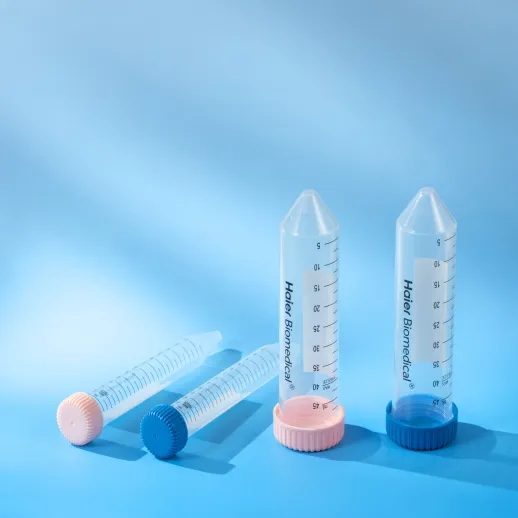
Polymerase chain reaction technology has revolutionized molecular biology research and diagnostic applications across laboratories worldwide. The success of any PCR experiment depends heavily on the quality and reliability of the consumables used, particularly PCR tubes that house the precious samples during thermal cycling. These specialized vessels must withstand extreme temperature fluctuations while maintaining sample integrity and preventing contamination throughout the amplification process.
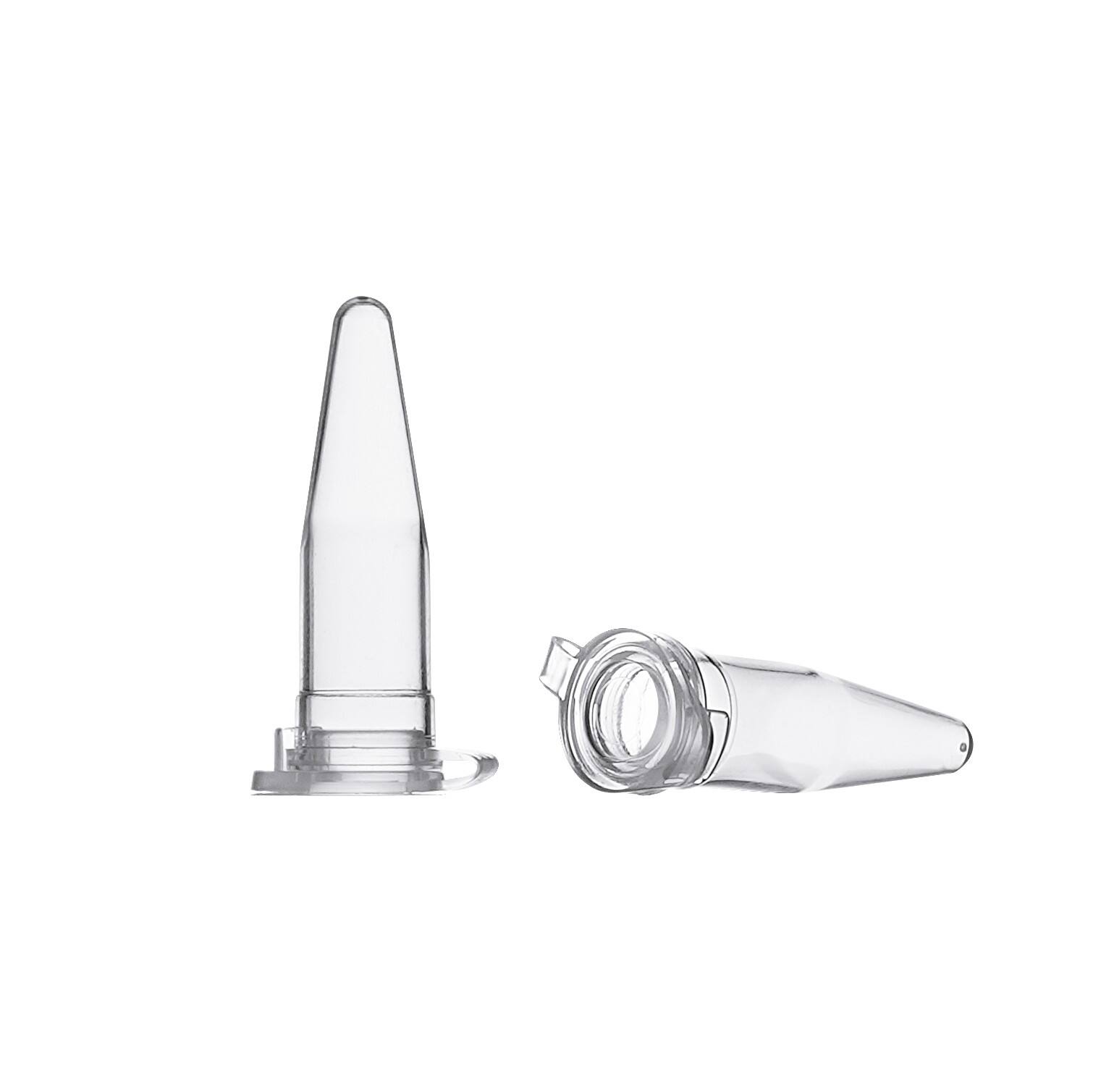
Modern laboratory operations require consistent and reproducible results, making the selection of appropriate PCR tubes a critical factor in experimental success. High-quality tubes ensure optimal heat transfer, minimize sample evaporation, and provide reliable sealing mechanisms that prevent cross-contamination between samples. Understanding the technical specifications and performance characteristics of different tube materials helps researchers make informed decisions that directly impact their experimental outcomes.
Material Composition and Thermal Properties
Polypropylene Construction Benefits
The majority of modern PCR tubes are manufactured from medical-grade polypropylene, a polymer specifically chosen for its exceptional thermal stability and chemical resistance. This material maintains structural integrity throughout repeated heating and cooling cycles, preventing tube deformation that could compromise sample volume or thermal contact with heating blocks. Polypropylene exhibits minimal thermal expansion, ensuring consistent sample positioning within the thermal cycler throughout the amplification process.
The chemical inertness of polypropylene makes these tubes compatible with a wide range of PCR reagents, including various buffer systems, dNTPs, and polymerase enzymes. This compatibility prevents unwanted interactions between the tube material and reaction components that could inhibit amplification or introduce artifacts into the results. High-purity polypropylene formulations also minimize the presence of trace contaminants that might interfere with sensitive molecular reactions.
Wall Thickness Optimization
Precise wall thickness engineering in PCR tubes balances mechanical strength with optimal heat transfer characteristics. Thinner walls facilitate rapid and uniform temperature changes throughout the sample volume, reducing the time required for each thermal cycling step and improving overall reaction efficiency. However, walls must retain sufficient thickness to prevent structural failure under repeated thermal stress and mechanical handling.
Advanced manufacturing techniques enable consistent wall thickness throughout the tube geometry, eliminating hot spots or cold zones that could create uneven amplification conditions within the sample. This uniformity becomes particularly important in quantitative PCR applications where precise temperature control directly affects amplification efficiency and fluorescence measurements. Quality PCR tubes undergo rigorous testing to verify thermal performance specifications across their intended operating temperature range.
Sealing Mechanisms and Contamination Prevention
Cap Design and Sealing Technology
Effective sealing systems prevent sample evaporation and contamination while maintaining easy access for sample loading and retrieval. Modern PCR tubes feature precision-molded caps with engineered sealing surfaces that create reliable barriers against moisture loss and airborne contaminants. The cap geometry must accommodate automated handling systems while providing consistent sealing pressure across multiple thermal cycles.
Advanced sealing technologies include integrated O-ring systems and compression seals that maintain their effectiveness throughout extended thermal cycling protocols. These sealing mechanisms prevent aerosol formation during sample heating, reducing the risk of cross-contamination between adjacent samples in multi-well formats. Proper sealing also eliminates the need for mineral oil overlays in many applications, simplifying protocol requirements and reducing potential sources of contamination.
Anti-Contamination Features
Contemporary PCR tubes incorporate multiple design features specifically engineered to minimize contamination risks throughout the handling and processing workflow. Smooth interior surfaces reduce particle adhesion and facilitate complete sample recovery, while specialized surface treatments can enhance wettability and reduce surface tension effects that might trap small sample volumes in tube corners or crevices.
Manufacturing processes for high-quality PCR tubes include stringent cleaning protocols and sterile packaging systems that eliminate potential sources of nucleic acid contamination. Some tubes undergo gamma irradiation or other sterilization methods to ensure complete sterility upon delivery to laboratory facilities. These contamination control measures become particularly critical in diagnostic applications where false positive results could have significant clinical implications.
Thermal Cycling Performance Characteristics
Heat Transfer Efficiency
The geometric design and material properties of PCR tubes directly influence heat transfer rates during thermal cycling, affecting both the speed and uniformity of temperature changes throughout the sample volume. Optimal tube geometry maximizes contact area with thermal cycler heating elements while minimizing thermal mass that could slow temperature transitions. Thin-walled construction with precise dimensional tolerances ensures consistent thermal contact across all tube positions within the thermal cycler block.
Heat transfer efficiency becomes particularly important in fast PCR protocols where rapid temperature changes enable shortened cycling times without compromising amplification quality. PCR tubes designed for high-speed applications feature enhanced thermal conductivity properties and optimized wall thickness that facilitate temperature equilibration within seconds rather than minutes. This performance improvement translates directly into reduced total assay time and increased laboratory throughput.
Temperature Uniformity and Gradient Control
Consistent temperature distribution throughout the sample volume ensures uniform amplification conditions that produce reliable and reproducible results. PCR tubes with superior thermal design minimize temperature gradients within the sample, preventing preferential amplification of certain template regions or the formation of secondary structures that could bias results. Uniform heating also reduces the formation of primer dimers and non-specific amplification products that can complicate result interpretation.
The tube geometry and thermal properties must complement the specific thermal cycler design to achieve optimal performance. Different thermal cycler platforms utilize varying heating mechanisms, from resistive heating blocks to Peltier-based systems, each requiring specific tube characteristics for maximum efficiency. Properly matched PCR tubes and thermal cyclers achieve precise temperature control within narrow tolerances, enabling reliable amplification of even challenging templates with high secondary structure content.
Quality Control and Validation Standards
Manufacturing Quality Assurance
Rigorous quality control processes ensure that PCR tubes meet stringent performance specifications required for reliable molecular biology applications. Manufacturing facilities implement comprehensive testing protocols that evaluate thermal performance, mechanical strength, chemical compatibility, and sterility characteristics for each production batch. These quality assurance measures include dimensional verification, leak testing, and thermal cycling validation under simulated laboratory conditions.
Certification processes for medical-grade PCR tubes often involve third-party validation of manufacturing processes and quality management systems. ISO certification and compliance with relevant regulatory standards provide assurance that tubes will perform consistently across different laboratory environments and applications. Batch-to-batch consistency becomes particularly important for quantitative applications where small variations in tube performance could affect measurement precision and reproducibility.
Performance Validation Protocols
Comprehensive validation testing evaluates PCR tubes under conditions that simulate real-world laboratory usage patterns. These protocols include extended thermal cycling tests that verify tube integrity after hundreds or thousands of heating and cooling cycles, simulating the conditions encountered in high-throughput laboratory operations. Validation also encompasses compatibility testing with various PCR reagent systems and thermal cycler platforms commonly used in research and diagnostic laboratories.
Performance validation extends beyond basic functionality to include assessments of amplification efficiency, detection sensitivity, and result reproducibility across different experimental conditions. These comprehensive evaluations provide laboratories with confidence that PCR tubes will deliver consistent performance throughout their intended application range. Validation data also supports regulatory submissions and quality management requirements in clinical diagnostic laboratories.
Applications Across Laboratory Disciplines
Research Laboratory Applications
Research laboratories utilize PCR tubes across diverse applications ranging from basic molecular cloning to advanced genomics research. Gene expression studies require tubes that maintain RNA integrity throughout thermal cycling while preventing degradation or contamination that could compromise quantitative measurements. Genomic DNA applications often involve larger sample volumes and extended cycling protocols that place additional demands on tube durability and thermal performance.
High-throughput screening applications in drug discovery and functional genomics require PCR tubes that perform consistently across thousands of samples while maintaining compatibility with automated liquid handling systems. The tube design must accommodate robotic pipetting systems while providing reliable sealing and thermal performance throughout extended processing workflows. Quality PCR tubes enable laboratories to achieve the reproducibility and reliability required for publication-quality research results.
Clinical and Diagnostic Applications
Clinical laboratories demand PCR tubes that meet strict regulatory requirements while delivering the reliability required for patient care applications. Diagnostic assays often involve precious clinical samples that cannot be replaced, making tube reliability and contamination prevention absolutely critical for successful results. The tubes must maintain sterility and prevent cross-contamination throughout the entire processing workflow from sample preparation through result reporting.
Molecular diagnostic applications frequently require specialized tube configurations optimized for specific assay formats, including real-time PCR, multiplex amplification, and digital PCR platforms. Each application places unique demands on tube performance characteristics, from optical clarity for fluorescence detection to thermal uniformity for quantitative measurements. PCR tubes used in clinical settings must also support comprehensive quality control and traceability requirements mandated by regulatory agencies and accreditation bodies.
Selection Criteria for Optimal Performance
Matching Tubes to Application Requirements
Selecting appropriate PCR tubes requires careful consideration of specific experimental requirements, including sample volume, thermal cycling parameters, and detection methods. Low-volume applications benefit from tubes with minimized dead volume and optimized geometry for small sample sizes, while high-throughput applications may prioritize rapid thermal cycling and automated handling compatibility. The choice between individual tubes and strip formats depends on laboratory workflow requirements and equipment capabilities.
Specialized applications may require tubes with unique performance characteristics, such as enhanced optical clarity for real-time fluorescence detection or specialized surface treatments for improved sample recovery. Some applications benefit from colored tubes that facilitate sample identification and tracking throughout complex workflows. Understanding these application-specific requirements helps laboratories select PCR tubes that optimize both performance and operational efficiency.
Cost-Performance Optimization
Balancing cost considerations with performance requirements involves evaluating the total cost of ownership rather than simply comparing unit prices. High-quality PCR tubes may command premium pricing but often deliver improved reliability, reduced failure rates, and enhanced reproducibility that translate into overall cost savings through reduced repeat experiments and improved laboratory efficiency. The cost impact of failed experiments often far exceeds the incremental cost of premium consumables.
Long-term cost optimization also considers factors such as supplier reliability, technical support availability, and compatibility with existing laboratory equipment and workflows. Establishing relationships with suppliers who provide consistent product quality and responsive technical support can reduce operational risks and ensure continuous availability of critical consumables. These considerations become particularly important for laboratories operating under tight quality control requirements or regulatory oversight.
FAQ
What temperature range can PCR tubes withstand during thermal cycling
High-quality PCR tubes are designed to withstand temperatures ranging from -80°C to 121°C, covering the full range of typical PCR cycling conditions plus additional margin for specialized applications. Most standard protocols operate between 4°C and 95°C, well within the safe operating range of properly manufactured tubes. The tubes maintain structural integrity and sealing performance throughout this temperature range without warping, cracking, or compromising sample containment.
How do I prevent contamination when using PCR tubes
Contamination prevention requires proper handling techniques combined with high-quality, sterile PCR tubes. Always use sterile, single-use tubes and avoid touching the interior surfaces or cap sealing areas. Work in a clean environment with appropriate personal protective equipment, and consider using aerosol-resistant tips when pipetting samples. Proper tube sealing and storage in contaminant-free environments further reduces contamination risks throughout the experimental workflow.
Can PCR tubes be reused for multiple experiments
PCR tubes are designed as single-use consumables and should not be reused due to contamination risks and potential performance degradation. Even thorough cleaning cannot guarantee complete removal of nucleic acid traces that could cause false positive results in subsequent experiments. The relatively low cost of new tubes compared to the potential cost of contaminated results makes single-use the most practical and reliable approach for all PCR applications.
What factors affect PCR tube thermal performance
Several factors influence thermal performance including wall thickness, material composition, tube geometry, and contact with the thermal cycler block. Thinner walls generally provide faster heat transfer but must maintain sufficient strength for handling and sealing. Proper fit within the thermal cycler ensures optimal thermal contact, while high-quality polypropylene construction maintains consistent performance throughout repeated thermal cycles. Regular calibration and maintenance of thermal cycling equipment also contributes to overall system performance.