
 EN
EN



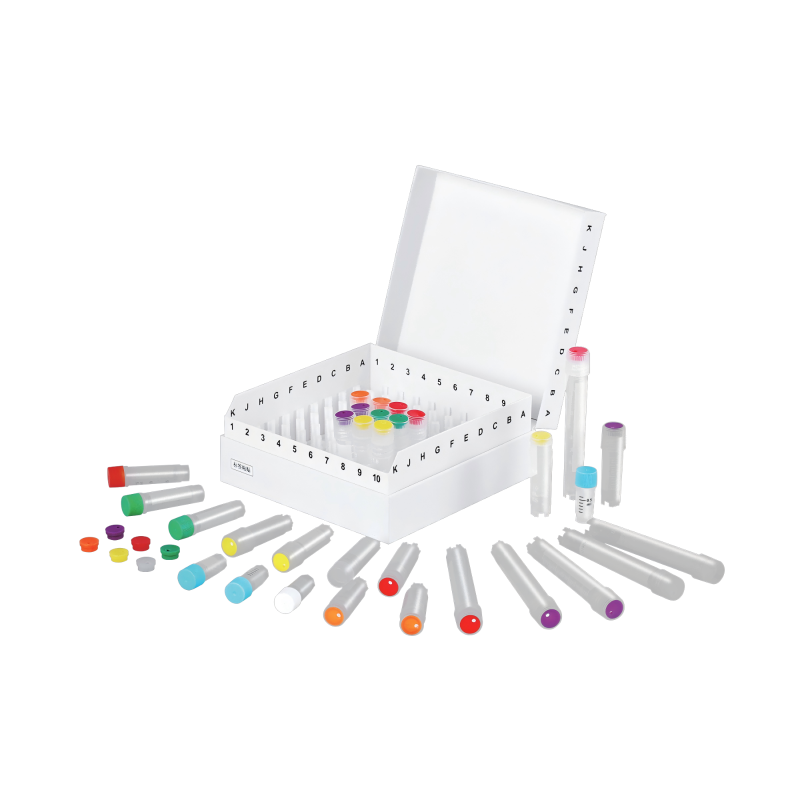
The advancement of molecular biology research depends heavily on precise temperature control during polymerase chain reaction processes. Modern laboratory requirements demand exceptional thermal conductivity performance from PCR tube materials to ensure accurate amplification results. Scientists and researchers worldwide rely on high-quality materials that can withstand rapid temperature cycling while maintaining structural integrity throughout extended use.
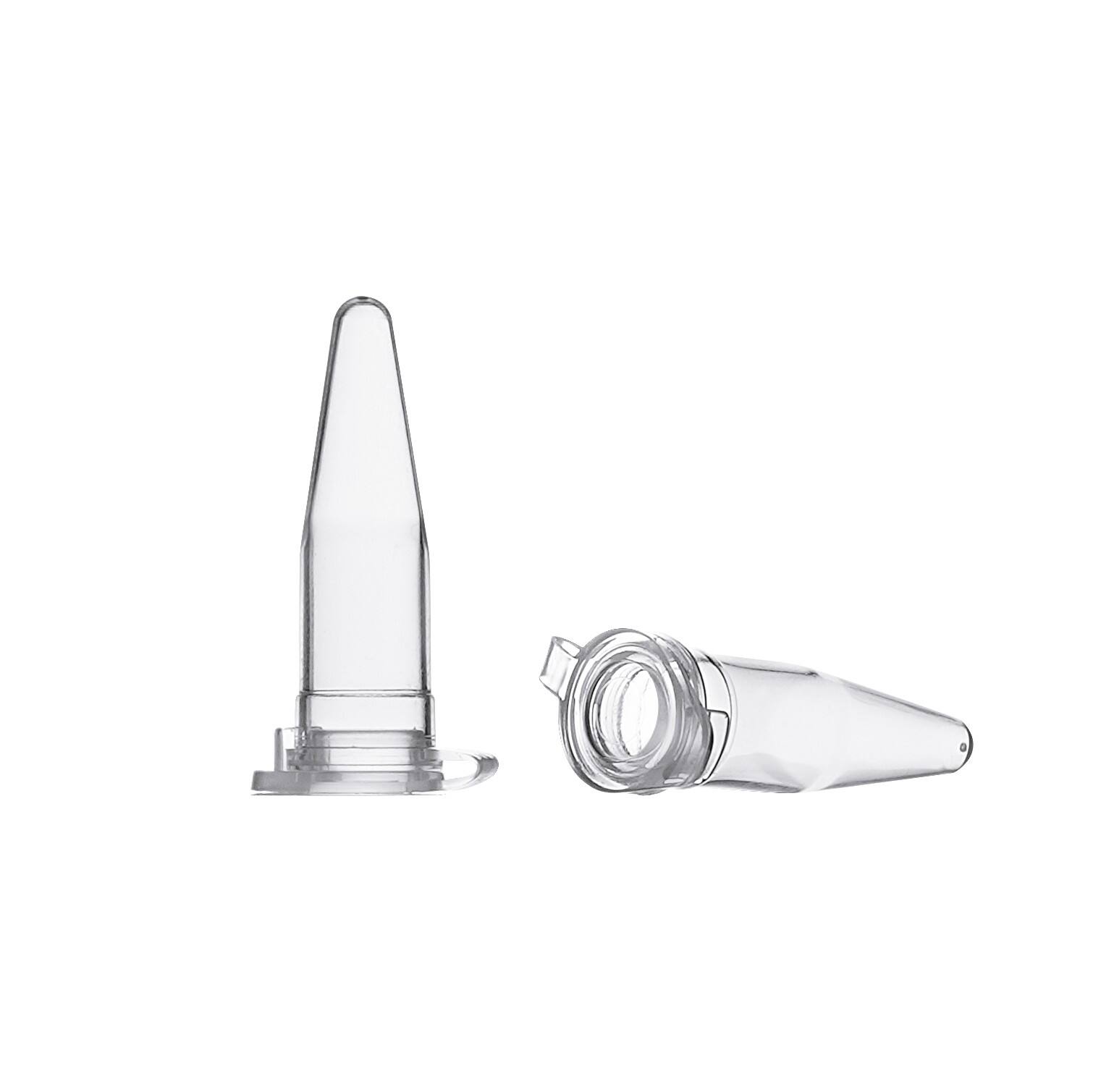
Contemporary laboratories face increasing demands for reproducible results and enhanced efficiency in their molecular diagnostics workflows. The selection of appropriate PCR tube materials directly impacts the success rate of amplification reactions and overall laboratory productivity. Understanding the thermal properties and material composition becomes crucial for achieving optimal performance in various research applications.
Advanced Polymer Compositions in Modern PCR Applications
Polypropylene Innovations and Thermal Properties
Traditional polypropylene remains the foundation for most PCR tube materials due to its excellent chemical resistance and thermal stability. Recent innovations have focused on enhancing the molecular structure to improve heat transfer efficiency during rapid cycling protocols. Manufacturing processes now incorporate specialized additives that optimize thermal conductivity without compromising the material's inherent biocompatibility.
Advanced polypropylene formulations demonstrate superior performance in high-throughput applications where consistent temperature distribution is critical. These materials exhibit minimal thermal expansion coefficients, ensuring dimensional stability throughout extended cycling protocols. The enhanced polymer chains provide improved resistance to stress cracking while maintaining excellent clarity for visual inspection of reaction contents.
Research indicates that optimized polypropylene compositions can reduce thermal lag by up to thirty percent compared to standard formulations. This improvement directly translates to more efficient amplification protocols and reduced overall reaction times. Laboratory professionals appreciate the enhanced reliability and consistent performance characteristics of these advanced PCR tube materials.
Specialized Additives for Enhanced Performance
Modern PCR tube materials incorporate carefully selected additives to enhance thermal conductivity and overall performance characteristics. These specialized compounds include thermal enhancers that facilitate rapid heat transfer while maintaining the chemical inertness required for sensitive molecular reactions. The precise balance of additives ensures optimal performance without introducing contaminants that could interfere with amplification processes.
Nucleating agents represent another significant advancement in material formulation, promoting uniform crystallization patterns that enhance thermal properties. These additives create more consistent wall thickness and improved heat distribution throughout the tube structure. The result is enhanced temperature uniformity that directly contributes to more reliable and reproducible amplification results.
Anti-static formulations have become increasingly important in automated laboratory environments where electrostatic discharge can affect sensitive equipment. These specialized PCR tube materials incorporate conductive additives that prevent static buildup while maintaining excellent thermal conductivity properties. The integration of anti-static properties ensures compatibility with robotic handling systems and automated liquid dispensing equipment.
Manufacturing Processes and Quality Control Standards
Precision Molding Techniques for Optimal Geometry
State-of-the-art injection molding processes ensure consistent wall thickness and optimal geometry for enhanced thermal performance. Precision tooling creates uniform tube dimensions that facilitate even heat distribution during temperature cycling protocols. Advanced manufacturing controls monitor critical parameters such as melt temperature, injection pressure, and cooling rates to maintain consistent quality standards.
Computer-controlled molding systems enable precise control of material flow patterns, eliminating potential weak points that could affect thermal conductivity. These sophisticated processes ensure that PCR tube materials maintain consistent performance characteristics across entire production batches. Quality control measures include dimensional verification and thermal property testing to guarantee specification compliance.
Multi-stage cooling protocols optimize the crystalline structure of molded tubes, enhancing both thermal conductivity and mechanical properties. These controlled cooling processes create uniform material density throughout the tube walls, ensuring consistent heat transfer characteristics. The result is improved temperature uniformity and enhanced reliability during critical amplification protocols.
Quality Assurance and Performance Validation
Comprehensive quality assurance programs verify the thermal performance of PCR tube materials through rigorous testing protocols. These evaluations include thermal cycling stress tests that simulate extended laboratory use conditions. Performance validation ensures that materials maintain their thermal conductivity properties throughout their expected service life.
Advanced testing methodologies measure thermal conductivity coefficients under various temperature conditions to verify consistent performance. These assessments include evaluation of thermal shock resistance and dimensional stability under rapid temperature changes. Quality control laboratories utilize sophisticated instrumentation to validate thermal properties and ensure compliance with industry standards.
Batch-to-batch consistency verification ensures reliable performance across different production runs of PCR tube materials. Statistical process control methods monitor critical quality parameters and identify potential variations before they affect product performance. This comprehensive approach to quality assurance provides laboratory professionals with confidence in material reliability and consistency.
Thermal Conductivity Optimization Strategies
Material Selection and Composition Engineering
Strategic material selection focuses on optimizing thermal conductivity while maintaining essential properties such as chemical resistance and optical clarity. Engineers evaluate various polymer grades and additive combinations to achieve optimal thermal performance characteristics. The goal is to maximize heat transfer efficiency while preserving the biocompatibility required for sensitive molecular biology applications.
Composition engineering involves precise control of molecular weight distribution and crystallinity levels to enhance thermal properties. These factors directly influence the ability of PCR tube materials to conduct heat efficiently during rapid temperature transitions. Advanced analytical techniques monitor material composition to ensure consistent thermal performance across production batches.
Research into hybrid material systems explores the potential of combining different polymer types to achieve superior thermal conductivity. These innovative approaches may incorporate thermally conductive fillers or specialized polymer blends that enhance heat transfer properties. The challenge lies in maintaining the purity and inertness required for accurate molecular amplification while improving thermal performance.
Wall Thickness Optimization for Enhanced Heat Transfer
Optimal wall thickness design represents a critical factor in maximizing thermal conductivity performance of PCR tube materials. Thinner walls facilitate faster heat transfer but must maintain sufficient mechanical strength for handling and processing requirements. Advanced modeling techniques help engineers determine the ideal balance between thermal performance and structural integrity.
Finite element analysis provides detailed insights into heat transfer patterns within tube walls under various cycling conditions. These computational models guide the optimization of wall thickness distribution to achieve uniform temperature profiles throughout the reaction volume. The result is enhanced amplification efficiency and improved reproducibility of results.
Variable wall thickness designs may offer advantages in specific applications where thermal gradients need to be minimized. These specialized geometries can optimize heat transfer characteristics for particular cycling protocols or sample volumes. Manufacturing capabilities continue to advance toward producing these complex geometries while maintaining cost-effective production methods.
Applications and Industry Impact
High-Throughput Screening Applications
High-throughput screening environments demand exceptional thermal performance from PCR tube materials to ensure consistent results across large sample batches. Enhanced thermal conductivity reduces cycle times and improves overall laboratory productivity in pharmaceutical research and diagnostic applications. The ability to process hundreds or thousands of samples efficiently depends on reliable thermal properties of consumable materials.
Automated systems benefit significantly from improved thermal conductivity characteristics that enable faster temperature equilibration and more precise temperature control. These advantages translate directly to increased throughput capacity and reduced operational costs in commercial laboratory settings. Laboratory managers appreciate the enhanced efficiency and reliability that advanced PCR tube materials provide for their high-volume operations.
Quality control processes in manufacturing environments rely on consistent thermal performance to ensure batch-to-batch reproducibility. Advanced PCR tube materials contribute to more reliable quality assurance protocols and reduced rejection rates in production environments. The enhanced thermal properties enable more stringent quality control standards while maintaining efficient processing times.
Specialized Research and Development Requirements
Research institutions require PCR tube materials that can accommodate specialized protocols and experimental conditions. Enhanced thermal conductivity properties enable more precise temperature control for sensitive applications such as single-cell analysis or rare target detection. These specialized requirements drive continued innovation in material formulation and manufacturing processes.
Academic research environments often demand exceptional performance from PCR tube materials for novel application development and method optimization. The ability to achieve precise temperature control enables researchers to explore new protocols and push the boundaries of molecular biology techniques. Advanced materials support innovative research by providing reliable thermal performance under challenging experimental conditions.
Clinical diagnostics applications require consistent and reliable thermal properties to ensure accurate patient results. The enhanced thermal conductivity of modern PCR tube materials contributes to improved diagnostic accuracy and reduced turnaround times in clinical laboratories. Healthcare providers benefit from the enhanced reliability and performance characteristics that support critical diagnostic workflows.
Future Developments and Emerging Technologies
Nanotechnology Integration and Advanced Materials
Emerging nanotechnology applications offer promising opportunities for enhancing the thermal conductivity of PCR tube materials through the incorporation of specialized nanoparticles. These microscopic additives can significantly improve heat transfer properties while maintaining the biocompatibility and chemical inertness required for molecular biology applications. Research continues into optimal nanoparticle selection and incorporation methods that maximize thermal performance benefits.
Carbon nanotube integration represents a particularly promising avenue for thermal conductivity enhancement in next-generation PCR tube materials. These materials offer exceptional thermal properties while maintaining compatibility with existing manufacturing processes. The challenge lies in achieving uniform dispersion and preventing aggregation that could compromise material properties or introduce contamination risks.
Advanced composite materials combining traditional polymers with thermally conductive fillers show potential for significant performance improvements. These hybrid systems may enable thermal conductivity enhancements of several fold compared to conventional materials. Ongoing research focuses on optimizing filler content and distribution to maximize thermal benefits while preserving essential material properties.
Smart Materials and Adaptive Properties
Future developments may include smart PCR tube materials with adaptive thermal properties that respond to temperature changes or specific experimental conditions. These innovative materials could optimize their thermal conductivity characteristics based on the particular requirements of different amplification protocols. Such adaptive properties would enable enhanced performance across a broader range of applications and experimental conditions.
Temperature-responsive materials offer the possibility of optimized thermal properties that adapt to different phases of the amplification cycle. These smart materials could provide enhanced heat transfer during heating phases while offering thermal insulation during hold periods. The development of such adaptive PCR tube materials represents an exciting frontier in laboratory consumable technology.
Integration of sensing capabilities within PCR tube materials could enable real-time monitoring of thermal conditions and automatic adjustment of thermal properties. These intelligent systems would provide unprecedented control over amplification conditions and could significantly enhance the reliability and reproducibility of molecular biology protocols. Such advanced capabilities represent the next evolution in laboratory consumable technology.
FAQ
How do enhanced PCR tube materials improve thermal conductivity compared to standard options
Enhanced PCR tube materials incorporate specialized polymer formulations and additives that significantly improve thermal conductivity compared to standard polypropylene tubes. These advanced materials can reduce thermal lag by up to thirty percent, enabling faster temperature equilibration and more efficient cycling protocols. The improved thermal properties result from optimized molecular structures and carefully selected thermal enhancers that facilitate rapid heat transfer while maintaining chemical inertness.
What quality control measures ensure consistent thermal performance in PCR tube manufacturing
Comprehensive quality control measures include thermal cycling stress tests, dimensional verification, and thermal conductivity coefficient measurements under various temperature conditions. Manufacturers utilize statistical process control methods to monitor critical parameters and ensure batch-to-batch consistency. Advanced testing protocols validate thermal shock resistance and dimensional stability, providing laboratory professionals with confidence in material reliability and performance consistency.
Which applications benefit most from improved thermal conductivity in PCR tube materials
High-throughput screening environments and automated laboratory systems benefit significantly from enhanced thermal conductivity, as these applications require rapid temperature cycling and consistent performance across large sample batches. Clinical diagnostics and pharmaceutical research applications also gain advantages from improved thermal properties, which contribute to enhanced accuracy and reduced turnaround times. Research institutions conducting specialized protocols or method development particularly value the precise temperature control enabled by advanced materials.
What future developments are expected in PCR tube material technology
Future developments include nanotechnology integration with specialized nanoparticles and carbon nanotubes to enhance thermal conductivity significantly. Smart materials with adaptive thermal properties that respond to experimental conditions represent another promising development area. Advanced composite materials and temperature-responsive systems may offer unprecedented control over amplification conditions, potentially revolutionizing laboratory efficiency and protocol reliability in molecular biology applications.
Table of Contents
- Advanced Polymer Compositions in Modern PCR Applications
- Manufacturing Processes and Quality Control Standards
- Thermal Conductivity Optimization Strategies
- Applications and Industry Impact
- Future Developments and Emerging Technologies
-
FAQ
- How do enhanced PCR tube materials improve thermal conductivity compared to standard options
- What quality control measures ensure consistent thermal performance in PCR tube manufacturing
- Which applications benefit most from improved thermal conductivity in PCR tube materials
- What future developments are expected in PCR tube material technology