
 EN
EN



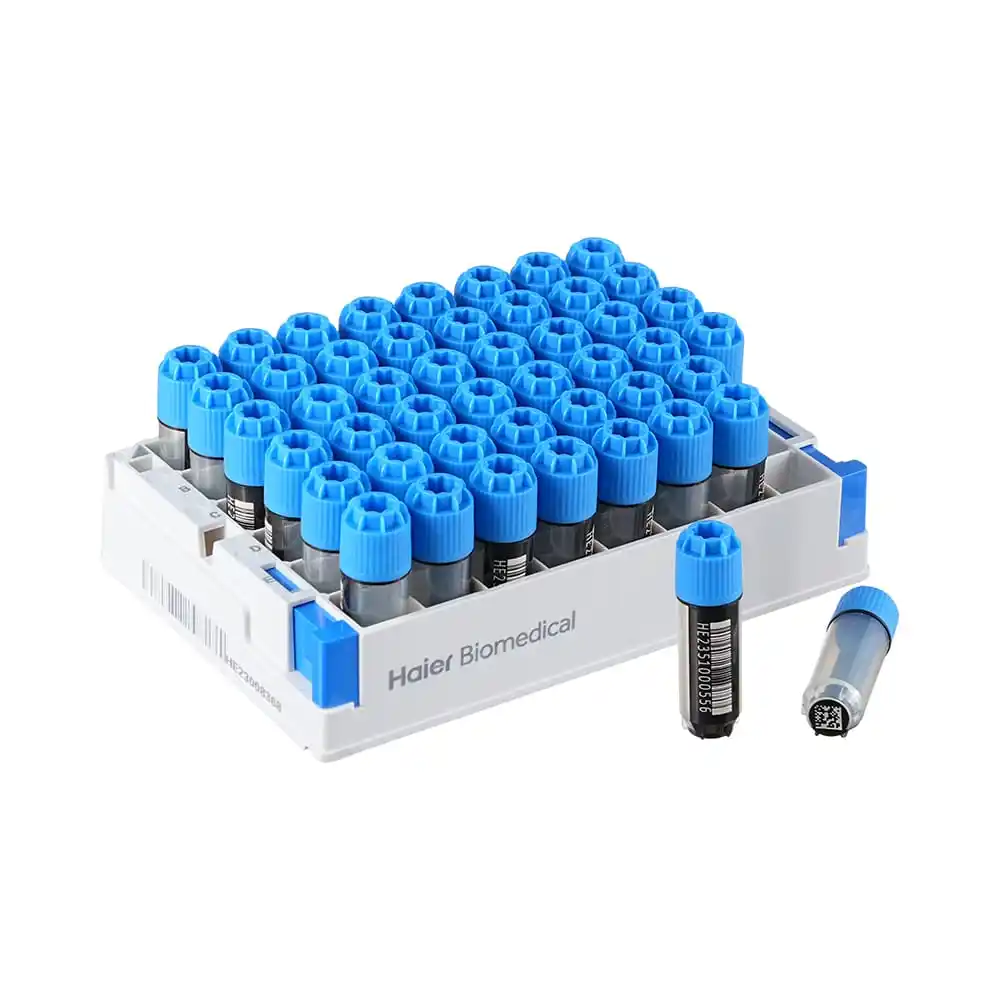
Large-scale biotech production requires sophisticated infrastructure and reliable laboratory equipment to maintain consistent cell growth across extended manufacturing cycles. Cell culture flasks serve as the fundamental vessels that enable biotechnology companies to scale their production processes from laboratory research to commercial manufacturing. Understanding how these specialized containers support mass production helps biotech professionals optimize their workflows and ensure product quality throughout the scaling process.

The transition from small-scale research to industrial biotech production involves complex considerations around contamination control, scalability, and standardization. Cell culture flasks provide the controlled environment necessary for maintaining viable cell populations while allowing biotech companies to implement systematic approaches to production scaling. These vessels must support consistent environmental conditions across multiple production batches while accommodating the specific requirements of different cell lines and biotechnology applications.
Scalability Features of Cell Culture Flasks in Biotech Manufacturing
Surface Area Optimization for High-Density Cell Growth
Cell culture flasks designed for large-scale biotech production incorporate specialized surface treatments that maximize available growing area within compact laboratory footprints. The internal surface modifications promote enhanced cell attachment and proliferation, allowing biotechnology companies to achieve higher cell densities per flask compared to standard laboratory vessels. This surface optimization becomes critical when scaling production because it directly impacts the number of flasks required to meet commercial output targets.
Advanced cell culture flasks feature treated polystyrene surfaces with specific hydrophilic properties that encourage uniform cell distribution across the growing surface. These surface characteristics ensure consistent cell growth patterns across multiple flasks within the same production batch, reducing variability that could compromise product quality. The standardized surface treatments also enable predictable scaling calculations, helping biotech production managers accurately forecast resource requirements as production volumes increase.
The geometry of modern cell culture flasks supports efficient medium exchange and waste removal, essential factors in maintaining healthy cell cultures during extended production cycles. Flask designs incorporate features that facilitate complete medium changes without disturbing attached cell populations, enabling biotechnology facilities to maintain optimal growing conditions throughout the production process. This design consideration becomes increasingly important as production scales because medium exchange frequency and efficiency directly impact both cell viability and overall production costs.
Standardization and Quality Control Integration
Large-scale biotech production relies heavily on standardized processes that can be replicated consistently across multiple production runs and facility locations. Cell culture flasks manufactured to strict specifications enable biotechnology companies to implement standardized protocols that translate seamlessly from research laboratories to commercial production facilities. This standardization reduces variables that could introduce batch-to-batch variation in final products.
Quality control systems in biotech manufacturing depend on predictable performance characteristics from all production components, including cell culture vessels. Modern cell culture flasks undergo rigorous testing protocols to ensure consistent performance parameters across production lots. These quality standards enable biotechnology companies to maintain validated production processes that meet regulatory requirements for pharmaceutical and biologic product manufacturing.
The traceability features incorporated into commercial-grade cell culture flasks support comprehensive documentation requirements common in large-scale biotech production. Each flask includes identification markers that enable tracking through production workflows, supporting the detailed record-keeping necessary for regulatory compliance and quality assurance programs. This traceability becomes essential when production issues arise, allowing biotech companies to quickly identify affected batches and implement appropriate corrective measures.
Environmental Control and Contamination Prevention
Sterile Barrier Maintenance During Production Scaling
Maintaining sterile conditions becomes exponentially more challenging as biotech production scales from laboratory benchtops to commercial manufacturing floors. Cell culture flasks designed for large-scale applications incorporate enhanced sealing mechanisms that maintain sterile barriers throughout extended production timelines. These advanced closure systems prevent environmental contamination while allowing controlled gas exchange necessary for healthy cell metabolism.
The materials used in production-scale cell culture flasks undergo specialized treatments that minimize contamination risks associated with extended storage and handling protocols. Surface treatments eliminate potential binding sites for contaminants while maintaining compatibility with sterilization procedures commonly used in biotech manufacturing facilities. These material characteristics ensure that cell culture flasks maintain their sterile integrity throughout complex production workflows involving multiple handling steps and extended incubation periods.
Contamination prevention strategies in large-scale biotech production often involve systematic approaches to equipment validation and environmental monitoring. Cell culture flasks used in commercial production must demonstrate consistent performance under various environmental conditions while maintaining sterile barriers that protect valuable cell cultures from external contamination sources. The robust design characteristics of these flasks support contamination prevention protocols that scale effectively across different production volumes and facility configurations.
Gas Exchange and Atmospheric Control
Proper atmospheric conditions are essential for maintaining healthy cell cultures throughout extended production cycles common in large-scale biotech manufacturing. Cell culture flasks incorporate specialized cap designs that regulate gas exchange while maintaining sterile barriers, enabling precise control over oxygen and carbon dioxide concentrations within the culture environment. This controlled gas exchange becomes critical as production scales because atmospheric imbalances can rapidly compromise entire production batches.
The gas-permeable membranes integrated into advanced cell culture flasks allow real-time adjustment of atmospheric conditions without compromising sterile barriers or requiring complex external monitoring systems. These membrane technologies enable biotechnology companies to maintain optimal growing conditions across large numbers of culture vessels simultaneously, reducing the labor and equipment requirements associated with atmospheric monitoring in scaled production environments.
Large-scale biotech production often involves coordinating atmospheric conditions across hundreds or thousands of individual culture vessels within controlled environmental chambers. Cell culture flasks designed for commercial production feature standardized gas exchange characteristics that enable uniform atmospheric control across large production batches. This uniformity ensures consistent cell growth conditions regardless of flask position within incubation systems, supporting the reproducibility requirements essential for commercial biotech manufacturing.
Production Workflow Integration and Automation Compatibility
Automation System Compatibility
Modern biotech production facilities increasingly rely on automated systems to handle the repetitive processes involved in large-scale cell culture operations. Cell culture flasks designed for commercial production feature standardized dimensions and handling characteristics that integrate seamlessly with robotic systems used for media changes, cell harvesting, and quality monitoring procedures. This automation compatibility reduces labor costs and improves process consistency across scaled production operations.
The physical design characteristics of production-grade cell culture flasks accommodate the precision requirements of automated handling systems while maintaining the structural integrity necessary for reliable performance throughout extended production cycles. Flask features such as standardized cap threading, consistent wall thickness, and reinforced stress points enable reliable interaction with automated equipment, reducing the risk of equipment failures that could compromise entire production batches.
Automation integration in large-scale biotech production often involves coordinating multiple robotic systems that perform different functions within the overall production workflow. Cell culture flasks used in these environments must demonstrate consistent performance characteristics that enable reliable automation programming and reduce the need for manual intervention during production cycles. This reliability becomes essential as production volumes increase and manual oversight becomes less practical.
Batch Processing and Inventory Management
Large-scale biotech production requires sophisticated inventory management systems that track culture vessels through complex production workflows involving multiple processing stages and extended timelines. Cell culture flasks designed for commercial production incorporate identification systems that support automated tracking throughout production cycles, enabling real-time monitoring of batch progress and resource utilization across scaled manufacturing operations.
The standardized packaging and storage characteristics of production-grade cell culture flasks support efficient inventory management practices that scale effectively as production volumes increase. These standardization features enable biotechnology companies to implement automated inventory systems that reduce handling errors and ensure adequate supplies are available for continuous production operations. Proper inventory management becomes critical in scaled production because flask shortages can halt entire production lines and compromise delivery schedules.
Batch processing protocols in large-scale biotech production often involve coordinating the use of thousands of individual culture vessels across multiple production timelines and product specifications. Cell culture flasks used in these applications must support systematic approaches to batch organization and tracking that enable efficient resource allocation and production scheduling. The identification and tracking features built into commercial-grade flasks support the complex logistics involved in managing large-scale production operations.
Quality Assurance and Regulatory Compliance Support
Documentation and Traceability Requirements
Regulatory compliance in large-scale biotech production demands comprehensive documentation of all materials and processes used in manufacturing operations. Cell culture flasks designed for commercial production include detailed documentation packages that support validation protocols and regulatory submissions required for pharmaceutical and biologic product approvals. This documentation enables biotechnology companies to demonstrate consistent quality standards throughout their production processes.
The traceability systems integrated into production-grade cell culture flasks support the detailed record-keeping requirements common in regulated biotech manufacturing environments. Each flask includes unique identification markers that enable tracking through production workflows, supporting the chain of custody documentation necessary for regulatory compliance and quality assurance programs. This traceability becomes essential when regulatory agencies conduct facility inspections or when production issues require investigation.
Large-scale biotech production often involves multiple facility locations and extended supply chains that must maintain consistent documentation standards across different operational environments. Cell culture flasks used in these applications must support standardized documentation protocols that translate effectively across different facilities and regulatory jurisdictions. The comprehensive documentation packages associated with commercial-grade flasks enable biotechnology companies to maintain regulatory compliance as they scale their operations internationally.
Performance Validation and Testing Protocols
Quality assurance programs in large-scale biotech production require systematic validation of all production materials to ensure consistent performance characteristics across different production batches and operational conditions. Cell culture flasks designed for commercial production undergo extensive testing protocols that validate their performance under various environmental conditions and usage scenarios common in scaled manufacturing operations.
The validation testing performed on production-grade cell culture flasks includes comprehensive assessments of material properties, sterility maintenance, and performance consistency across extended storage periods and various handling conditions. These testing protocols ensure that flasks maintain their performance characteristics throughout the complex supply chains and storage conditions common in large-scale biotech production operations. Validation data supports the quality assurance documentation required for regulatory compliance and customer quality requirements.
Performance validation in large-scale biotech production often involves coordinating testing protocols across multiple facility locations and production scenarios to ensure consistent results regardless of operational variables. Cell culture flasks used in commercial production must demonstrate reproducible performance characteristics that enable biotechnology companies to implement standardized quality control procedures across their entire production network. This consistency supports the scalability requirements essential for commercial biotech manufacturing success.
FAQ
What makes cell culture flasks suitable for scaling biotech production from laboratory to commercial levels?
Cell culture flasks designed for large-scale biotech production feature standardized dimensions, enhanced surface treatments for optimal cell growth, and robust construction that maintains sterile barriers throughout extended production cycles. These flasks support automation integration, systematic inventory management, and quality control protocols that enable biotechnology companies to scale their operations efficiently while maintaining consistent product quality and regulatory compliance.
How do cell culture flasks maintain contamination control in large-scale production environments?
Production-grade cell culture flasks incorporate advanced sealing mechanisms, gas-permeable membranes for controlled atmospheric exchange, and specialized surface treatments that minimize contamination risks. These features work together to maintain sterile barriers throughout complex production workflows while supporting the systematic contamination prevention protocols essential for commercial biotech manufacturing operations.
Can cell culture flasks integrate with automated production systems used in large-scale biotech manufacturing?
Modern cell culture flasks designed for commercial production feature standardized dimensions and handling characteristics that enable seamless integration with robotic systems used for media changes, cell harvesting, and quality monitoring procedures. This automation compatibility reduces labor costs, improves process consistency, and supports the scalability requirements essential for large-scale biotech production operations.
What documentation and traceability features do cell culture flasks provide for regulatory compliance?
Commercial-grade cell culture flasks include comprehensive documentation packages, unique identification markers for batch tracking, and detailed validation data that support regulatory submissions and quality assurance programs. These features enable biotechnology companies to maintain the detailed record-keeping and traceability requirements necessary for regulatory compliance in pharmaceutical and biologic product manufacturing.
Table of Contents
- Scalability Features of Cell Culture Flasks in Biotech Manufacturing
- Environmental Control and Contamination Prevention
- Production Workflow Integration and Automation Compatibility
- Quality Assurance and Regulatory Compliance Support
-
FAQ
- What makes cell culture flasks suitable for scaling biotech production from laboratory to commercial levels?
- How do cell culture flasks maintain contamination control in large-scale production environments?
- Can cell culture flasks integrate with automated production systems used in large-scale biotech manufacturing?
- What documentation and traceability features do cell culture flasks provide for regulatory compliance?