
 EN
EN



Cell culture dishes serve as fundamental tools in laboratory research, providing the specialized surface characteristics and environmental conditions necessary for successful adherent cell cultivation. These precisely engineered vessels create optimal microenvironments that promote cellular attachment, proliferation, and maintenance while facilitating clear microscopic observation of cellular behavior and morphology.
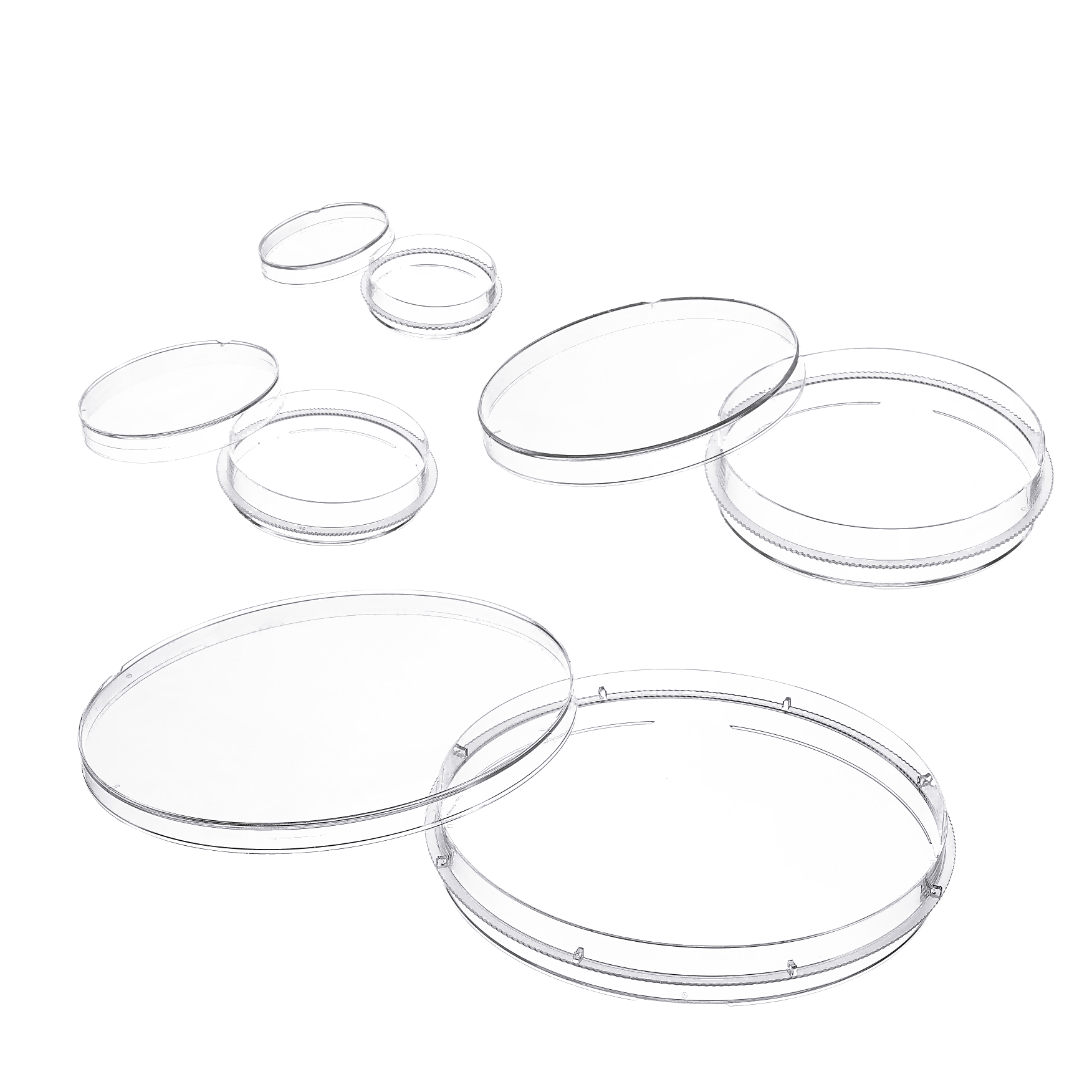
The enhancement mechanisms built into modern cell culture dishes directly address the biological requirements of adherent cells, which depend on surface contact for survival, growth, and normal function. Through specific surface treatments, material selection, and design optimization, these dishes transform basic plastic substrates into sophisticated cellular growth platforms that support research applications ranging from basic cell biology to drug discovery and regenerative medicine.
Surface Treatment Technologies That Promote Cellular Attachment
Plasma Treatment and Surface Activation
Cell culture dishes undergo specialized plasma treatment processes that fundamentally alter their surface chemistry to enhance cellular adherence. This treatment introduces hydrophilic functional groups including hydroxyl, carbonyl, and carboxyl groups onto the polystyrene surface, creating negatively charged sites that attract positively charged cellular components. The plasma activation process increases surface energy from approximately 33 dynes per centimeter to over 70 dynes per centimeter, dramatically improving wettability and protein adsorption capacity.
The enhanced surface chemistry enables serum proteins such as fibronectin, vitronectin, and laminin to adsorb more effectively onto the dish surface. These proteins form a conditioning layer that provides specific binding sites for cellular integrins, facilitating the formation of focal adhesions essential for adherent cell attachment and spreading. Research demonstrates that properly treated cell culture dishes can increase initial cell attachment rates by 300-400% compared to untreated surfaces.
Controlled Surface Topography and Roughness
Modern cell culture dishes incorporate precisely controlled surface microtopography that influences cellular behavior at the nanoscale level. The optimal surface roughness typically ranges between 0.1 to 1.0 micrometers, providing sufficient texture to enhance protein adsorption while maintaining smoothness for optical clarity. This controlled roughness increases the effective surface area available for cellular contact and creates mechanical anchoring points that stabilize initial cellular adhesion.
Surface topography directly impacts cellular mechanotransduction pathways, influencing gene expression patterns related to proliferation, differentiation, and survival. Cell culture dishes with optimized surface features promote the formation of mature focal adhesions and stress fibers, leading to improved cellular morphology and enhanced metabolic activity throughout the culture period.
Material Properties Supporting Long-Term Cell Viability
Biocompatibility and Chemical Inertness
High-quality cell culture dishes utilize medical-grade polystyrene formulations that eliminate toxic leachables and maintain chemical stability under standard incubation conditions. The polymer composition excludes heavy metals, plasticizers, and other additives that could interfere with cellular metabolism or trigger cytotoxic responses. Rigorous testing protocols ensure that cell culture dishes meet USP Class VI biocompatibility standards and demonstrate no adverse effects on cellular growth rates or viability markers.
The chemical inertness of properly formulated cell culture dishes prevents unwanted interactions between the culture medium and the vessel walls, maintaining stable pH levels and preserving the integrity of sensitive medium components including growth factors, vitamins, and trace elements. This stability becomes particularly critical during extended culture periods where even minor chemical interactions could accumulate and impact experimental outcomes.
Gas Permeability and Atmospheric Exchange
Cell culture dishes incorporate controlled gas permeability characteristics that facilitate proper oxygen and carbon dioxide exchange while preventing contamination. The dish walls maintain sufficient permeability to support cellular respiration in standard CO2 incubators, allowing dissolved oxygen levels to equilibrate with the atmospheric conditions. This gas exchange capability prevents the development of hypoxic conditions that could trigger cellular stress responses or alter metabolic pathways.
The balance between gas permeability and barrier protection ensures that cell culture dishes maintain sterile conditions while supporting normal cellular physiology. Advanced polymer formulations achieve optimal permeability coefficients that support healthy cellular respiration without compromising the integrity of the sterile culture environment or allowing the loss of volatile medium components.
Optical Design Features Enabling Superior Cell Observation
Optical Clarity and Light Transmission Properties
Cell culture dishes feature precisely engineered optical properties that maximize light transmission and minimize optical distortion for accurate microscopic observation. The dish bottoms maintain uniform thickness tolerances within ±0.02 millimeters, eliminating focal plane variations that could interfere with high-resolution imaging. Premium grade polystyrene formulations achieve light transmission rates exceeding 90% across the visible spectrum, ensuring optimal illumination for phase contrast, fluorescence, and brightfield microscopy applications.
The optical design incorporates low-birefringence materials that prevent interference with polarized light microscopy techniques commonly used in advanced cell analysis. Surface treatments maintain optical clarity while providing enhanced cellular attachment, avoiding the trade-offs between functionality and visibility that characterized earlier cell culture dishes. This combination enables researchers to monitor cellular behavior in real-time without compromising culture conditions.
Bottom Design and Imaging Compatibility
Specialized bottom configurations in cell culture dishes accommodate various microscopy techniques and imaging systems used in modern cell biology research. Flat-bottom designs with minimal edge transitions eliminate optical artifacts and provide consistent focal planes across the entire growth surface. The bottom thickness optimization, typically 0.16-0.19 millimeters, matches standard microscope coverslip specifications for optimal working distances with high-numerical-aperture objectives.
Advanced cell culture dishes incorporate features such as grid patterns or alphanumeric coordinates that facilitate cell tracking and location referencing during time-lapse studies. These markings utilize laser etching or molded features that maintain optical clarity while providing permanent reference points for longitudinal observations and multi-point analysis protocols.
Growth Enhancement Mechanisms and Cellular Response
Protein Adsorption and Extracellular Matrix Formation
Cell culture dishes enhance adherent cell growth by facilitating the rapid and uniform adsorption of serum proteins that form the foundational extracellular matrix layer. The treated surface chemistry creates optimal binding sites for key adhesion proteins including fibronectin, collagen, and laminin, which arrange themselves into functional networks that mimic natural tissue environments. This protein conditioning occurs within minutes of medium contact, establishing a bioactive surface that promotes immediate cellular recognition and attachment.
The enhanced protein adsorption capacity of treated cell culture dishes enables more efficient utilization of expensive serum components and growth factors present in culture media. Studies demonstrate that optimized surfaces can reduce the serum concentration required for equivalent growth rates by up to 25%, while simultaneously improving the consistency of cellular responses across experimental replicates.
Cellular Spreading and Cytoskeletal Organization
Properly designed cell culture dishes promote rapid cellular spreading and the development of well-organized cytoskeletal structures essential for normal cellular function. The enhanced surface properties enable cells to form stable focal adhesions within 30-60 minutes of initial contact, leading to the extension of filopodia and lamellipodia that facilitate cellular spreading. This rapid adhesion and spreading response correlates directly with improved cellular viability and enhanced proliferation rates.
The cytoskeletal organization promoted by optimized cell culture dishes influences numerous cellular processes including migration, division, and differentiation. Well-spread cells with organized actin stress fibers demonstrate increased metabolic activity, enhanced protein synthesis, and improved response to external stimuli compared to poorly adherent cells cultured on suboptimal surfaces.
Practical Applications and Research Benefits
Primary Cell Culture and Tissue Maintenance
Cell culture dishes provide essential support for primary cell cultures derived directly from tissues, where maintaining physiological cellular behavior becomes critical for research validity. The enhanced attachment properties prove particularly valuable for finicky primary cells that demonstrate limited survival in suboptimal culture conditions. Specialized surface treatments enable successful cultivation of primary hepatocytes, neurons, endothelial cells, and other cell types that require strong substrate adhesion for survival and function.
Primary cell cultures benefit significantly from the consistent surface properties provided by quality cell culture dishes, as these cells typically cannot be passaged extensively and must maintain their differentiated characteristics throughout the experimental period. The reliable attachment and growth enhancement translate directly to improved experimental reproducibility and data quality in studies utilizing primary cellular material.
Drug Discovery and Screening Applications
High-throughput drug screening applications rely heavily on the consistent performance characteristics provided by standardized cell culture dishes. The uniform surface properties ensure equivalent cellular responses across large numbers of experimental wells, reducing variability that could mask or confound drug effects. Enhanced cellular attachment and growth rates enable shorter assay development times and more sensitive detection of compound effects on cellular viability, proliferation, and function.
Cell culture dishes designed for screening applications often incorporate features such as low-fluorescence materials and specialized bottom treatments that minimize interference with detection systems. These optimizations enable accurate measurement of cellular responses using fluorescent reporters, luminescent assays, and other detection methods essential for modern drug discovery workflows.
FAQ
What makes cell culture dishes different from regular plastic dishes?
Cell culture dishes undergo specialized surface treatments including plasma activation that introduces hydrophilic functional groups, dramatically increasing surface energy and protein adsorption capacity. They also utilize medical-grade polystyrene formulations that eliminate toxic leachables and maintain biocompatibility standards, unlike regular plastic dishes that lack these critical modifications for cellular growth.
How do cell culture dishes improve cell attachment compared to untreated surfaces?
Treated cell culture dishes increase initial cell attachment rates by 300-400% through enhanced protein adsorption and the creation of optimal binding sites for cellular integrins. The surface modifications promote rapid formation of focal adhesions and facilitate cellular spreading, leading to improved viability and more consistent experimental results across different cell types.
Can cell culture dishes be reused after sterilization?
Cell culture dishes are designed as single-use disposable items and should not be reused. The surface treatments that enhance cellular attachment can be damaged by cleaning procedures and sterilization processes, potentially compromising their effectiveness. Additionally, residual cellular materials or cleaning agents could interfere with subsequent cultures and affect experimental outcomes.
What optical properties should I look for in cell culture dishes for microscopy work?
Look for cell culture dishes with high light transmission rates exceeding 90%, uniform thickness tolerances within ±0.02 millimeters, and low-birefringence materials that prevent interference with polarized light techniques. The bottom thickness should match standard coverslip specifications (0.16-0.19mm) for optimal compatibility with high-numerical-aperture microscope objectives used in advanced imaging applications.