
 EN
EN



When selecting laboratory equipment for cell cultivation, understanding the critical factors that influence your choice of vent-cap cell culture flasks can significantly impact your research outcomes and experimental success. These specialized containers serve as the foundation for maintaining healthy cell cultures while providing essential gas exchange capabilities that standard sealed flasks cannot offer. The decision-making process involves evaluating multiple technical specifications, material properties, and operational requirements that align with your specific research protocols.
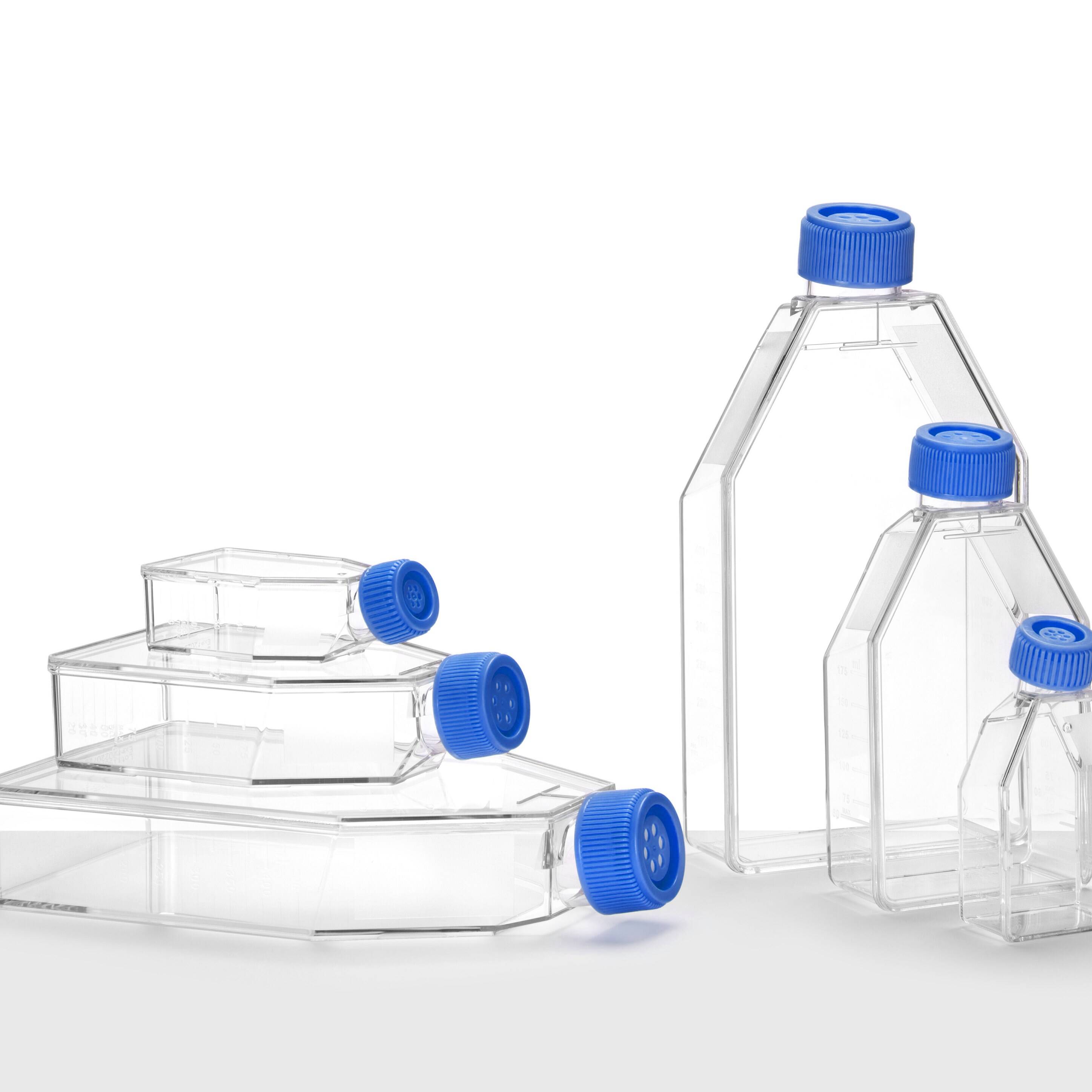
The complexity of modern cell culture work demands careful consideration of how vent-cap cell culture flasks will perform under various experimental conditions. Unlike traditional culture vessels, these flasks incorporate sophisticated ventilation systems that must balance sterility maintenance with adequate gas exchange. Your purchasing decision should account for factors ranging from material composition and surface treatment to cap design and volume capacity, each playing a crucial role in supporting optimal cell growth and experimental reproducibility.
Material Composition and Surface Properties
Plastic Resin Quality and Biocompatibility
The foundation of reliable vent-cap cell culture flasks begins with high-grade plastic resins that demonstrate exceptional biocompatibility and chemical resistance. Premium polystyrene formulations used in quality flasks undergo rigorous purification processes to eliminate potential leachables that could interfere with cell metabolism or experimental results. These materials must meet stringent USP Class VI standards, ensuring that no toxic compounds migrate into your culture media over extended incubation periods.
When evaluating different manufacturers, examine the transparency and clarity of the flask walls, as optical properties directly affect microscopic observation quality. Superior plastic formulations maintain consistent clarity without developing haziness or discoloration during autoclave sterilization cycles. The molecular weight distribution of the polymer also influences mechanical strength, preventing stress cracking under thermal cycling conditions commonly encountered in laboratory environments.
Surface Treatment Technologies
Advanced surface treatment methods applied to vent-cap cell culture flasks determine cell attachment efficiency and growth characteristics. Tissue culture treatment involves controlled plasma oxidation that creates optimal surface energy for protein adsorption and subsequent cell adhesion. This process must be precisely controlled to achieve uniform wettability across the entire growth surface while maintaining long-term stability of surface properties.
Different cell lines exhibit varying sensitivity to surface treatments, making it essential to match flask specifications with your specific applications. Adherent cell cultures typically require treated surfaces with hydrophilic properties, while suspension cultures may perform better with untreated surfaces. Consider whether your research involves multiple cell types that might benefit from specialized surface modifications or coating applications.
Ventilation System Design and Gas Exchange Performance
Cap Membrane Technology
The ventilation cap represents the most critical component distinguishing vent-cap cell culture flasks from sealed alternatives. High-performance membranes typically consist of hydrophobic microporous materials that permit gas exchange while maintaining sterile barriers against microbial contamination. The pore size distribution must be precisely controlled to allow CO2 and oxygen transfer rates that support optimal cell metabolism without compromising sterility.
Membrane durability becomes particularly important for extended culture periods or applications involving multiple media changes. Quality vent-cap cell culture flasks incorporate membranes that resist clogging from media components or cellular debris while maintaining consistent gas transfer rates throughout the culture period. Evaluate membrane specifications including bubble point pressure, air flow rates, and chemical compatibility with your specific media formulations.
Gas Exchange Rate Optimization
Proper gas exchange rates in vent-cap cell culture flasks must balance adequate oxygen supply with appropriate CO2 levels for pH buffering systems. The relationship between membrane area, pore density, and gas transfer coefficients determines whether your cultures will maintain optimal metabolic conditions. Fast-growing cell lines or high-density cultures may require enhanced gas exchange capabilities compared to slower-growing or sparse cultures.
Consider the incubator environment and atmospheric conditions where your flasks will be used. Humidity levels, temperature variations, and CO2 concentrations all influence gas exchange dynamics through the ventilation membrane. Some applications may benefit from adjustable ventilation systems that allow modification of gas exchange rates based on culture stage or experimental requirements.
Volume Capacity and Geometric Considerations
Working Volume Relationships
Selecting appropriate volume capacity for vent-cap cell culture flasks requires understanding the relationship between total volume, working volume, and surface area available for cell growth. Standard configurations range from 25mL to 850mL total capacity, with working volumes typically representing 10-20% of total capacity for adherent cultures. This ratio ensures adequate headspace for gas exchange while providing sufficient culture surface area.
The flask geometry influences media distribution, gas exchange efficiency, and ease of handling during routine culture maintenance. Wider flask designs provide increased surface area for cell attachment but may complicate media changes and cell harvesting procedures. Taller, narrower profiles offer advantages for suspension cultures where vertical mixing patterns enhance nutrient distribution and waste removal.
Neck Design and Accessibility
The neck configuration of vent-cap cell culture flasks affects accessibility for pipetting, media exchange, and cell harvesting operations. Standard necks with 38mm threading accommodate most laboratory pipettes and automated liquid handling systems, while ensuring secure cap attachment and proper seal integrity. The neck length and internal diameter must provide adequate working space without compromising sterility during manipulations.
Consider whether your protocols require angled necks that facilitate access in crowded incubator environments or specialized neck designs that accommodate specific instrumentation. Some applications benefit from extended neck configurations that reduce contamination risk during frequent access, while others prioritize compact designs that maximize incubator space utilization.
Sterility Assurance and Packaging Systems
Sterilization Methods and Validation
Quality vent-cap cell culture flasks undergo validated sterilization processes that eliminate microbial contamination without compromising material properties or surface treatments. Gamma irradiation represents the most common sterilization method, providing reliable sterility assurance while maintaining plastic integrity and optical clarity. The sterilization dose must be sufficient to achieve sterility assurance levels appropriate for cell culture applications while avoiding polymer degradation.
Sterility validation documentation should include bioburden testing, sterilization efficacy studies, and material compatibility assessments. Manufacturers should provide sterility assurance certificates and maintain traceability systems that allow identification of production lots and sterilization parameters. Consider whether your application requires additional sterilization validation or specific documentation for regulatory compliance.
Packaging Integrity and Shelf Life
Protective packaging systems for vent-cap cell culture flasks must maintain sterility while providing physical protection during shipping and storage. Individual wrapping materials should demonstrate appropriate barrier properties against moisture, oxygen, and microbial penetration. Packaging designs must also facilitate easy opening under sterile conditions without compromising flask sterility.
Shelf life specifications depend on packaging integrity, storage conditions, and material stability over time. Quality manufacturers provide clear expiration dating based on validated stability studies that account for various storage environments. Consider your inventory turnover rates and storage capabilities when evaluating shelf life requirements and bulk purchasing options.
Quality Control Standards and Regulatory Compliance
Manufacturing Standards and Certification
Reliable vent-cap cell culture flasks originate from manufacturing facilities that implement comprehensive quality management systems aligned with ISO standards and regulatory requirements. These systems ensure consistent product quality through validated manufacturing processes, statistical process control, and rigorous testing protocols. Manufacturing documentation should demonstrate compliance with relevant standards for medical devices or laboratory equipment.
Certification programs provide third-party validation of manufacturing quality and product performance. Look for manufacturers that maintain ISO 9001 quality certifications and demonstrate compliance with relevant industry standards. Some applications may require additional certifications such as ISO 13485 for medical device quality systems or specific regulatory approvals for particular geographic markets.
Performance Testing and Specifications
Comprehensive testing protocols for vent-cap cell culture flasks should evaluate multiple performance parameters including dimensional accuracy, leak resistance, gas exchange rates, and biological performance. Cell growth studies using standardized cell lines provide validation of surface treatment effectiveness and overall culture performance. These studies should demonstrate consistent results across production lots and compare favorably with established reference standards.
Technical specifications should include detailed information about material properties, dimensional tolerances, gas exchange characteristics, and performance limits. Quality manufacturers provide comprehensive documentation that enables proper application matching and troubleshooting support. Consider whether specification documentation meets your internal quality requirements and regulatory obligations.
FAQ
What is the typical shelf life for sterile vent-cap cell culture flasks?
Most high-quality vent-cap cell culture flasks maintain sterility for 3-5 years when stored under appropriate conditions in their original packaging. The actual shelf life depends on packaging integrity, storage temperature, humidity levels, and manufacturer specifications. Always verify expiration dates and storage requirements with your supplier, as some specialized products may have different shelf life parameters.
How do I determine if the gas exchange rate is appropriate for my cell line?
Optimal gas exchange rates for vent-cap cell culture flasks depend on cell line metabolic activity, culture density, and media buffering capacity. Monitor pH changes, cell growth rates, and morphology during initial trials with new flask types. Most adherent cell cultures perform well with standard ventilation membranes, but high-metabolism cell lines or dense cultures may require enhanced gas exchange capabilities.
Can vent-cap cell culture flasks be reused after autoclaving?
While some vent-cap cell culture flasks can withstand autoclaving temperatures, repeated sterilization cycles may compromise membrane performance and surface treatment properties. Most manufacturers recommend single-use applications to ensure consistent performance and minimize contamination risks. If reuse is necessary, validate that sterilization processes do not affect flask performance for your specific applications.
What factors affect the sterility of vent-cap cell culture flasks during use?
Sterility maintenance in vent-cap cell culture flasks depends on proper handling techniques, membrane integrity, and environmental conditions. Always work in appropriate biosafety cabinets, avoid touching membrane surfaces, and ensure caps are properly tightened. Membrane damage, excessive humidity, or improper storage can compromise sterility barriers. Regular monitoring and adherence to aseptic techniques are essential for maintaining culture sterility throughout experimental periods.