serum containers
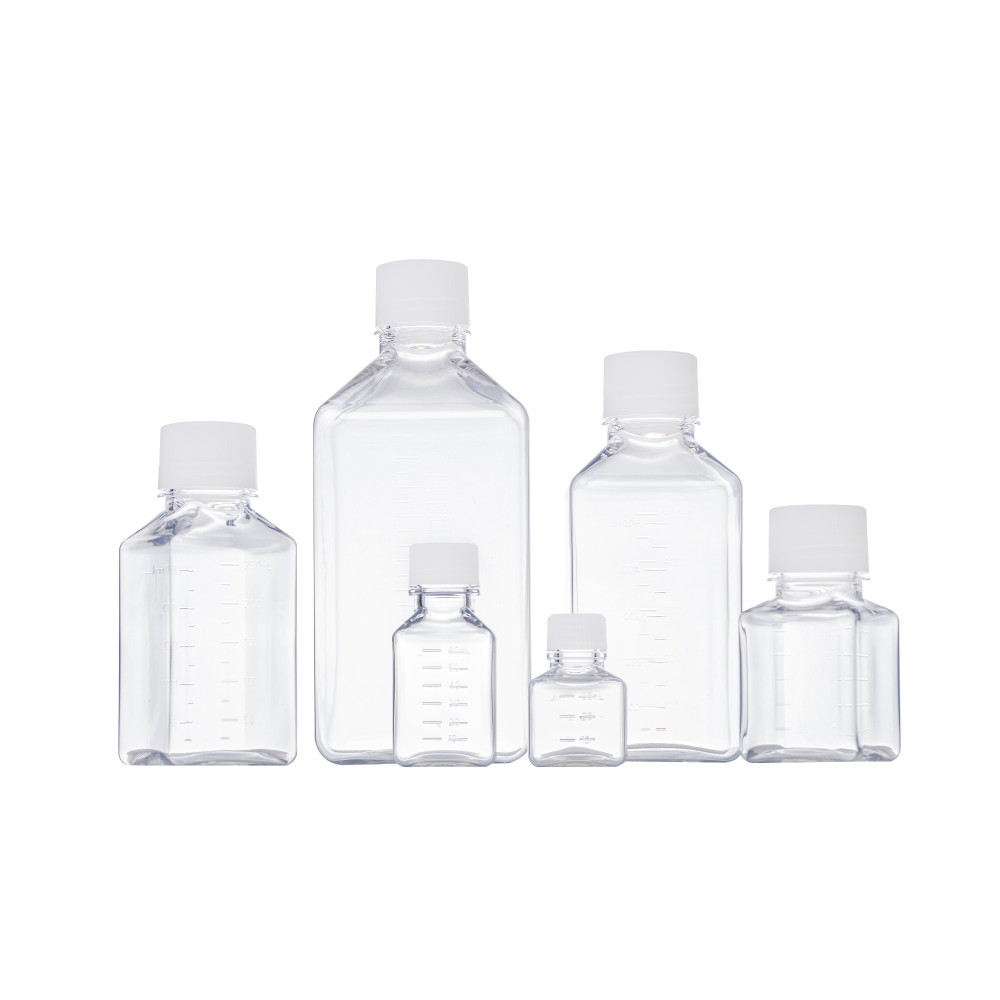
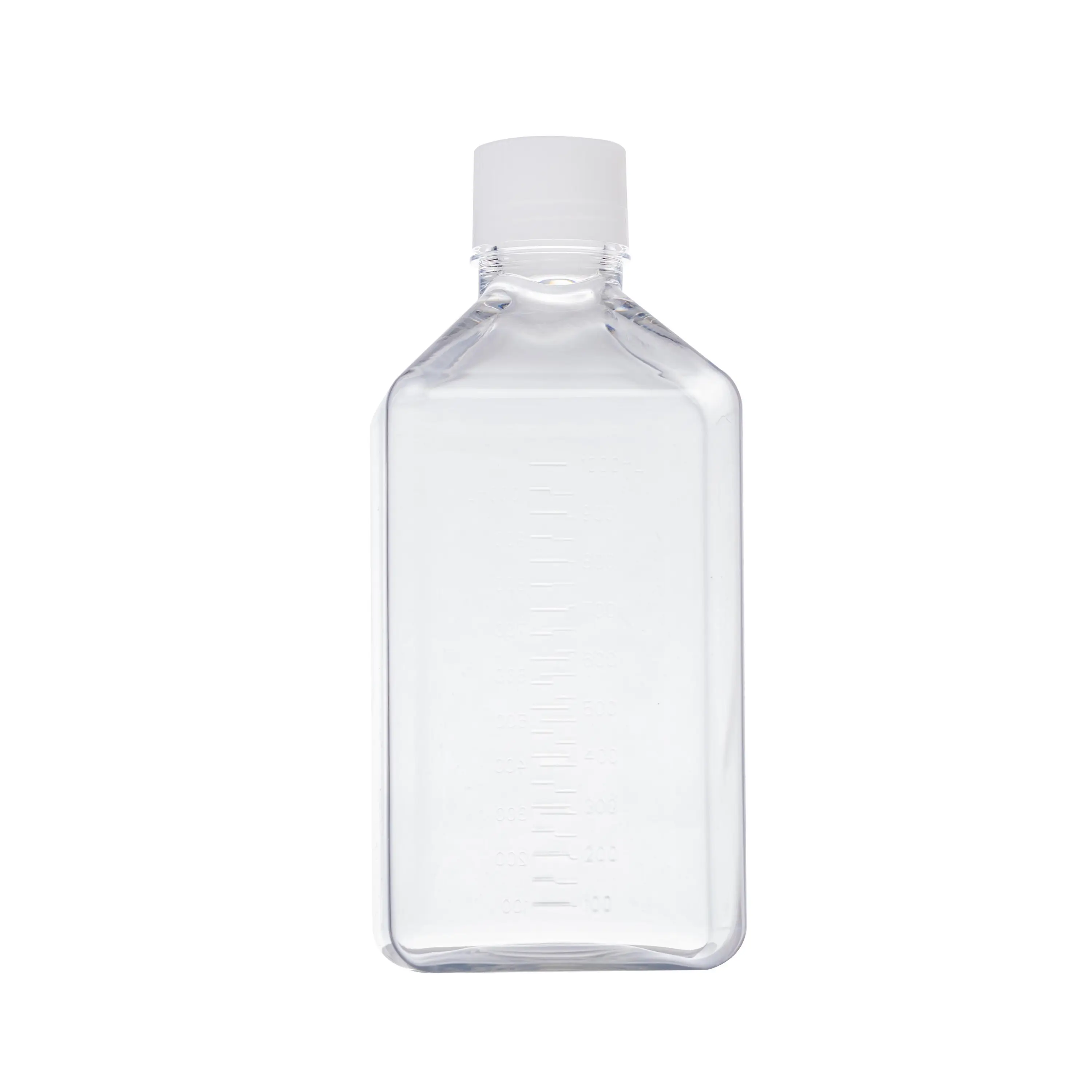
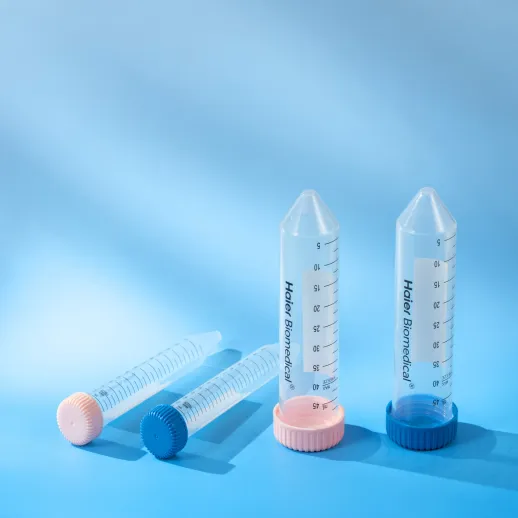
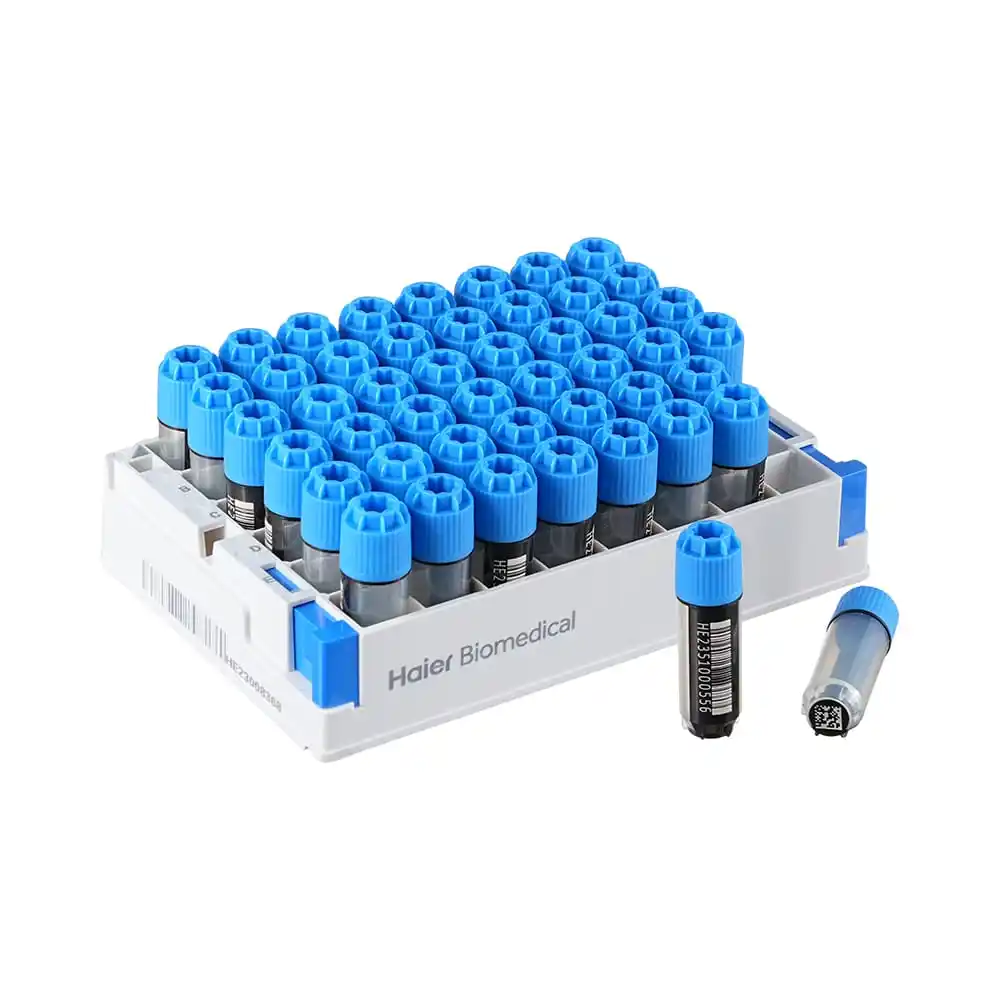
Serum containers are specialized vessels designed to store, preserve, and transport serums safely while maintaining their integrity and efficacy. These essential laboratory and medical storage solutions play a critical role in healthcare, research, and pharmaceutical industries. Serum containers feature advanced materials engineered to protect sensitive biological specimens from contamination, oxidation, and degradation. The primary function of serum containers is to maintain the stability of serum samples during collection, storage, and testing phases.
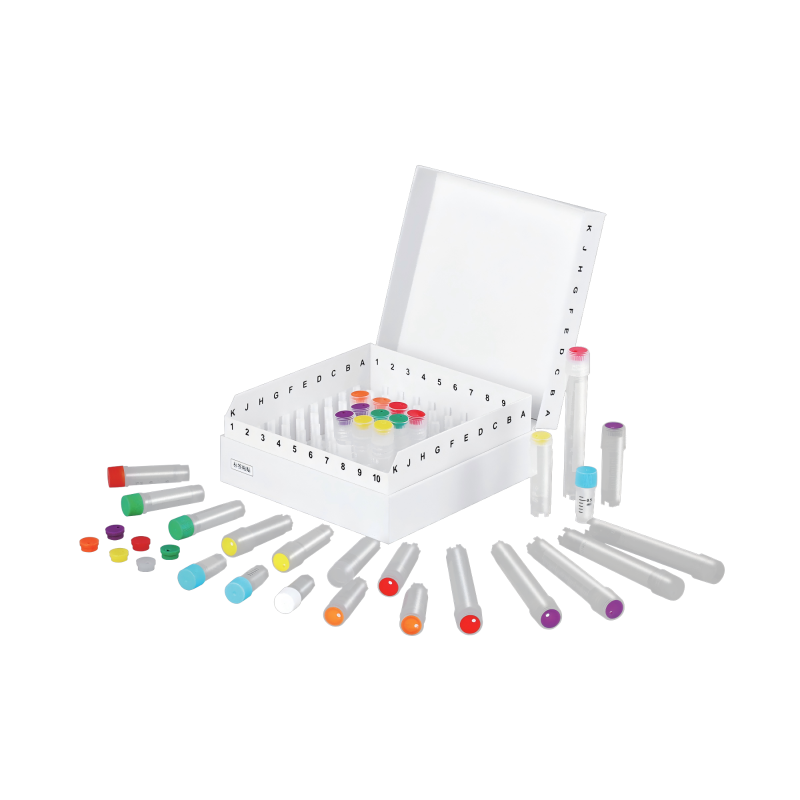
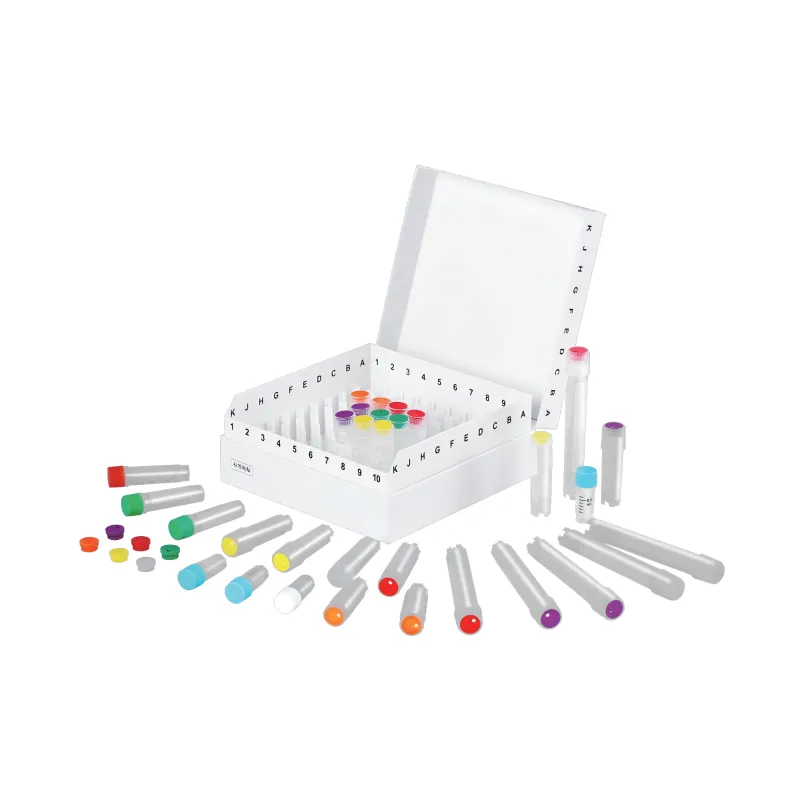
Modern serum containers incorporate sophisticated technological features including vacuum-sealed systems, sterile interior surfaces, and specialized additives that prevent hemolysis and bacterial growth. Many serum containers are manufactured from high-quality borosilicate glass or medical-grade plastics that resist chemical reactions and ensure long-term sample viability. These containers often include color-coded caps and labeling areas for easy identification and tracking throughout laboratory workflows.
Applications of serum containers span multiple sectors including clinical diagnostics, blood banks, research laboratories, and pharmaceutical development. Healthcare facilities utilize serum containers for routine blood tests, immunological studies, and disease screening programs. Serum containers are indispensable in vaccine development, serological testing, and epidemiological research. Pharmaceutical companies depend on specialized serum containers for quality control and stability testing of biological products. The versatility of serum containers makes them fundamental tools in modern medical science and diagnostics.

 EN
EN