Lab Media Bottles for Culture Storage

Get a Free Quote

Our representative will contact you soon.
Email
Name
Company Name
Message
0/1000

lab media bottles

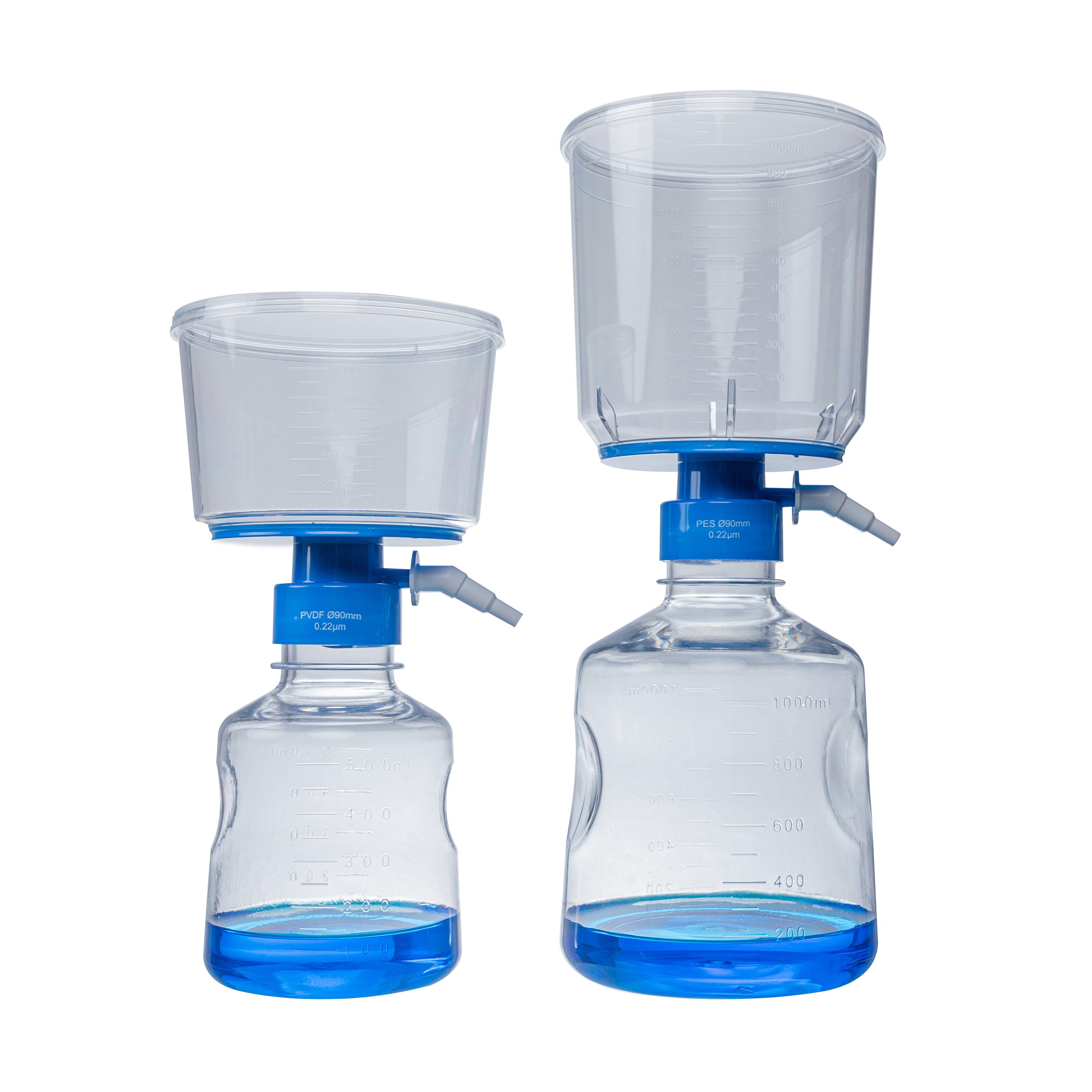
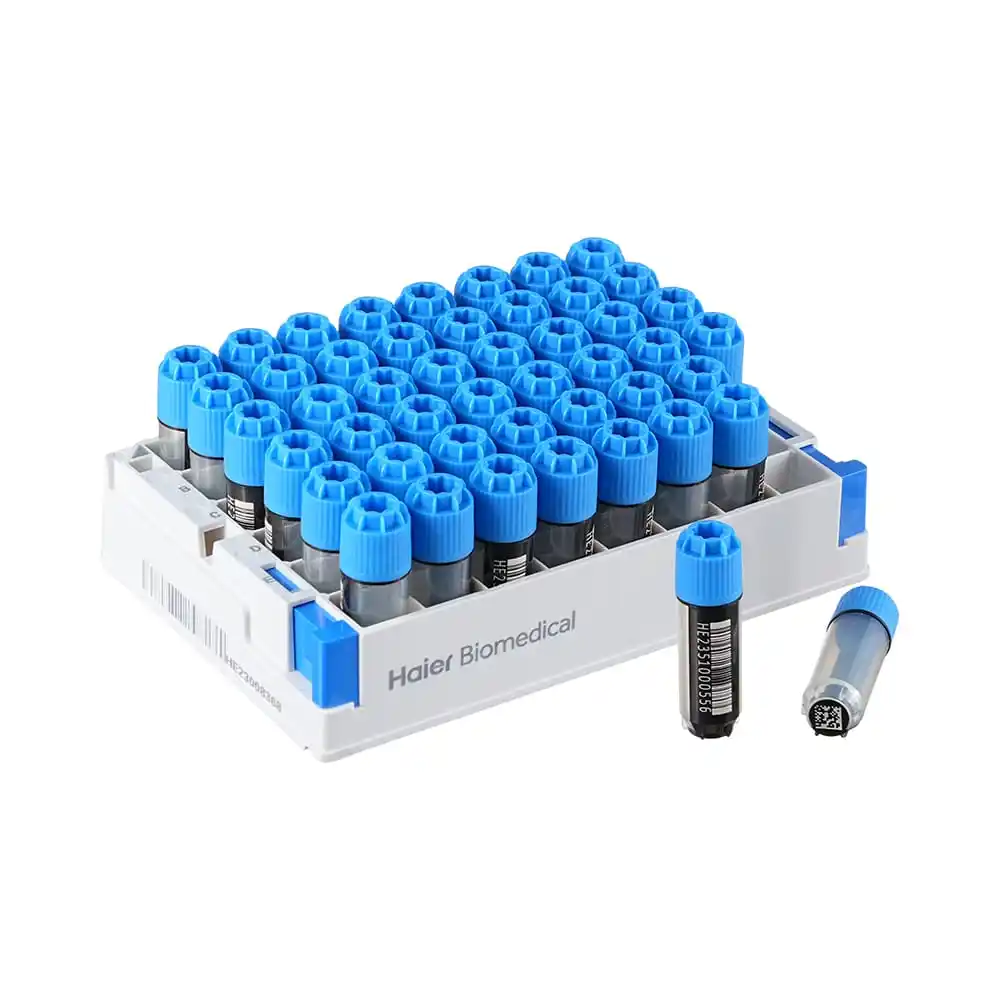
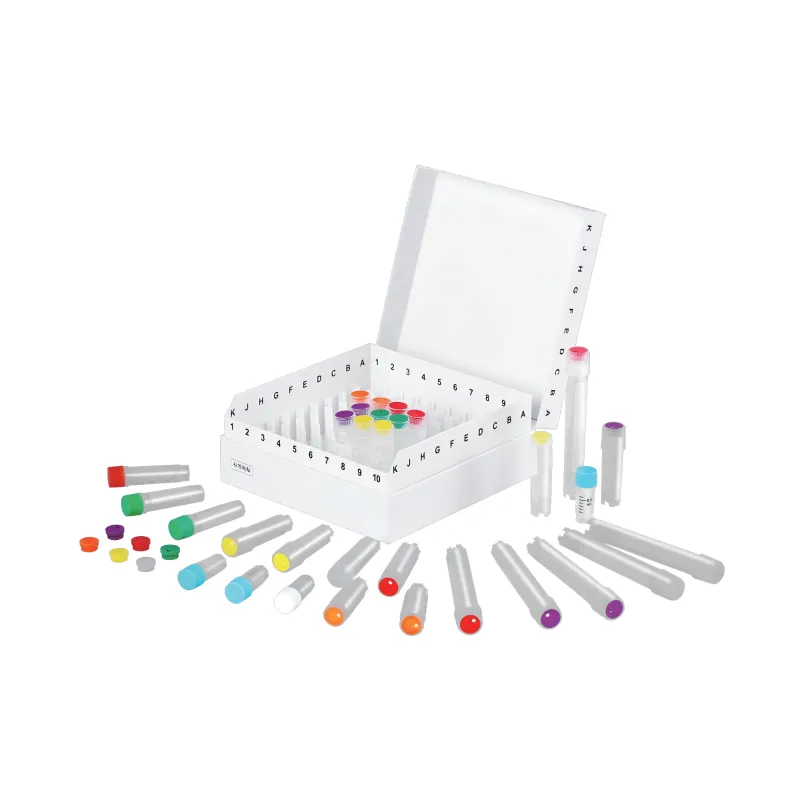
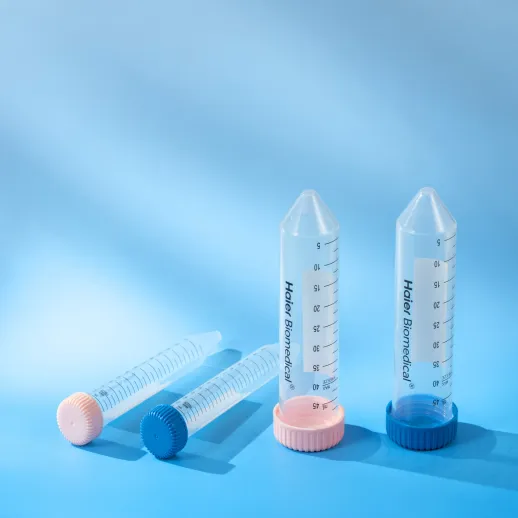
Lab media bottles are specialized containers designed for storing and culturing biological media in laboratory settings. These essential laboratory vessels serve as the foundation for microbiology, cell culture, and biochemical research applications. Lab media bottles provide a sterile, controlled environment for growing microorganisms, cells, and tissues in various scientific disciplines. The primary function of lab media bottles is to safely contain nutrient-rich growth media while maintaining sterility and preventing contamination. These bottles feature advanced technological designs that include autoclavable materials, secure closure systems, and graduated measurements for precise volume control. Lab media bottles are manufactured from high-quality borosilicate glass or durable plastic polymers that withstand sterilization processes and resist chemical degradation. Key technological features of lab media bottles include heavy-duty construction, thermal resistance up to 121°C, and compatibility with standard laboratory equipment. Many lab media bottles incorporate vented caps that allow gas exchange while maintaining contamination barriers. The bottles feature smooth interior surfaces that facilitate easy cleaning and prevent media residue buildup. Applications for lab media bottles span multiple scientific fields including pharmaceutical research, food microbiology, clinical diagnostics, and academic research institutions. These containers support bacterial culture, yeast propagation, and plant tissue cultivation. Lab media bottles are indispensable in quality control laboratories, manufacturing facilities, and educational environments where reliable culture containment is critical for research success and regulatory compliance.

New Product Releases

Lab media bottles deliver straightforward operational benefits that directly support laboratory efficiency and research reliability. These bottles eliminate contamination risks through superior sealing mechanisms and sterile manufacturing processes, protecting valuable cultures and ensuring consistent experimental results. By choosing lab media bottles, researchers gain confidence in their microbial growth environments and reduce the likelihood of failed experiments due to contamination. The practical advantages of lab media bottles extend to ease of use and cost-effectiveness. Laboratory personnel appreciate the clear graduated markings that enable quick volume verification without additional measuring equipment. Lab media bottles accommodate various media formulations, from complex nutrient broths to selective culture media, making them versatile tools across multiple research applications. Operational benefits include compatibility with standard autoclaves and laboratory infrastructure, streamlining preparation workflows and reducing setup time. These bottles withstand repeated sterilization cycles without degradation, providing long-term value and reducing per-use costs. The durable construction of lab media bottles minimizes breakage and replacement expenses, particularly important in high-volume laboratory environments. For potential customers, lab media bottles represent a reliable investment in research quality and consistency. Academic institutions benefit from standardized culture containers that support teaching objectives and reproducible student experiments. Pharmaceutical companies depend on lab media bottles for quality assurance testing and regulatory documentation. Clinical laboratories use these bottles to maintain cultures required for diagnostic procedures and antimicrobial susceptibility testing, directly impacting patient care accuracy and treatment decisions.

Tips And Tricks

Tips For Reducing Cross-Contamination In Well Plates

10

Jul

Tips For Reducing Cross-Contamination In Well Plates

Cross-contamination is one of the most persistent and costly problems in laboratory work, and well plates are among the most vulnerable tools in any life science workflow. Whether you are running high-throughput drug screening, cell viability assays,...
View More
Tips For Labeling And Managing Freezer Racks Effectively

16

Jul

Tips For Labeling And Managing Freezer Racks Effectively

In laboratory and biobank environments, freezer racks are the backbone of organized sample storage. Whether you manage a small research freezer or an entire ULT storage system, the way you label and organize your freezer racks directly affects retrie...
View More
What To Consider When Selecting Sterile Sample Tubes

16

Jul

What To Consider When Selecting Sterile Sample Tubes

Choosing the right sterile sample tubes is a decision that directly affects data integrity, workflow efficiency, and regulatory compliance in laboratory and clinical environments. Whether you are processing biological specimens, conducting microbiolo...
View More
How Can Sample Tubes Improve Efficiency in Medical and Research Labs

31

Aug

How Can Sample Tubes Improve Efficiency in Medical and Research Labs

In both medical facilities and scientific research environments, the ability to handle specimens quickly, accurately, and safely is central to productive operations. sample tubes play a foundational role in this process, serving as the primary vessel...
View More

Get a Free Quote

Our representative will contact you soon.
Email
Name
Company Name
Message
0/1000

lab media bottles

Superior Sterilization Compatibility for Reliable Results

Superior Sterilization Compatibility for Reliable Results

Lab media bottles feature exceptional sterilization compatibility that ensures cultures remain contamination-free throughout storage and incubation periods. These bottles withstand multiple autoclave cycles at 121°C without compromising structural integrity or material properties. The superior sterilization compatibility of lab media bottles allows researchers to prepare large batches of sterile media in advance, improving laboratory efficiency and reducing preparation time before experiments. The borosilicate glass composition of premium lab media bottles resists thermal shock during sterilization, preventing cracking and leakage that could compromise cultures. Vented caps on lab media bottles allow steam penetration during autoclaving while maintaining sterility afterward through innovative filter technology. This sterilization reliability makes lab media bottles the preferred choice for quality-critical applications in pharmaceutical manufacturing, clinical microbiology, and research institutions where culture integrity directly impacts results accuracy and regulatory compliance.
Versatile Media Storage for Diverse Laboratory Applications

Versatile Media Storage for Diverse Laboratory Applications

Lab media bottles accommodate diverse media formulations and culturing requirements across multiple scientific disciplines. From liquid nutrient broths to semisolid preservation media, lab media bottles provide flexible storage solutions for various microbial and cellular cultivation needs. The versatile design of lab media bottles supports bacterial cultures, fungal propagation, yeast fermentation, and plant tissue culture applications without requiring multiple container types. The internal surface characteristics of lab media bottles prevent nutrient precipitation and media separation during long-term storage. Graduated volume markings on lab media bottles enable quick identification of media levels without opening containers, reducing contamination exposure. This versatility eliminates inventory complexity by consolidating storage needs into one standardized container type. Researchers appreciate the flexibility that lab media bottles provide when adapting protocols or transitioning between different culture media, supporting experimental adaptability and innovation across laboratory environments.
Cost-Effective Durability for Extended Laboratory Use

Cost-Effective Durability for Extended Laboratory Use

Lab media bottles deliver exceptional value through robust construction that withstands demanding laboratory conditions and repeated use cycles. The durable materials used in manufacturing lab media bottles—primarily borosilicate glass or advanced polymers—resist chemical attack from aggressive sterilizing agents, disinfectants, and various culture media formulations. This durability extends the operational lifespan of lab media bottles significantly, reducing replacement frequency and lowering total cost of ownership for research institutions. The cost-effectiveness of lab media bottles becomes apparent over time as laboratories minimize bottle replacement expenses and maintain consistent inventory levels. Break-resistant construction protects laboratory budgets from unexpected equipment failures during critical research phases. By selecting lab media bottles as standardized containers, institutions reduce supply chain complexity and negotiate better pricing through bulk purchasing agreements. The economic advantages of lab media bottles make them particularly valuable for budget-conscious academic programs, startup biotech companies, and research facilities operating under strict financial constraints.

Get a Free Quote

Our representative will contact you soon.
Email
Name
Company Name
Message
0/1000