centrifuge tube price
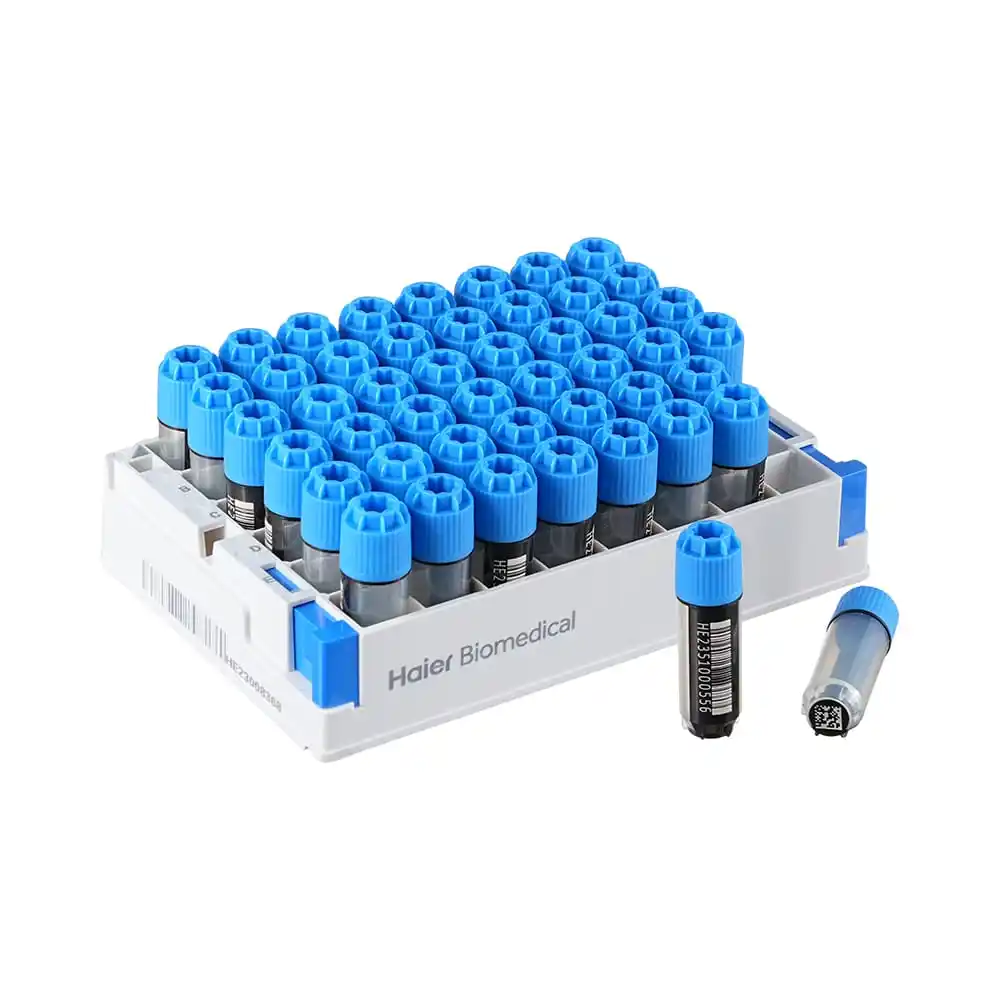
Centrifuge tube price represents a critical investment consideration for laboratories seeking reliable sample separation equipment. Understanding centrifuge tube price helps organizations make informed purchasing decisions that align with their budgetary constraints and operational requirements. These specialized containers are engineered to withstand extreme rotational forces during centrifugation processes, making them essential components in medical, research, and industrial settings.
The main function of centrifuge tubes involves holding biological specimens, chemical samples, or other materials during high-speed spinning operations. When evaluating centrifuge tube price, buyers should recognize that these tubes separate substances based on density differences. Modern centrifuge tube price offerings incorporate advanced materials like polypropylene, polycarbonate, and specialized plastics that resist degradation under intense centrifugal stress.
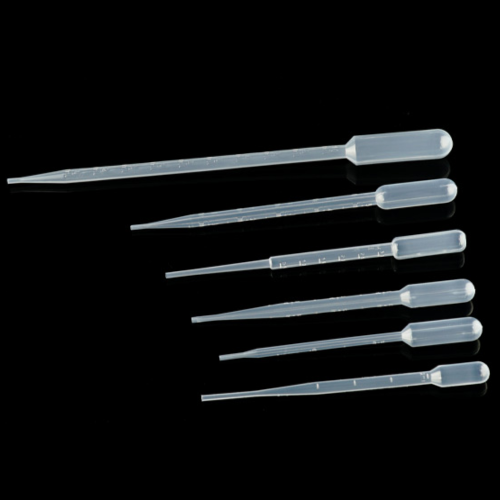
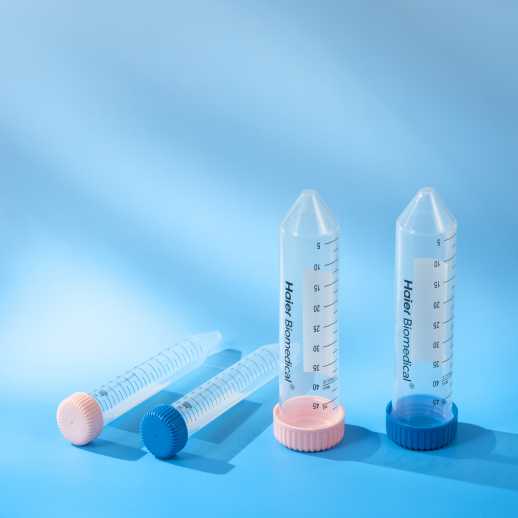
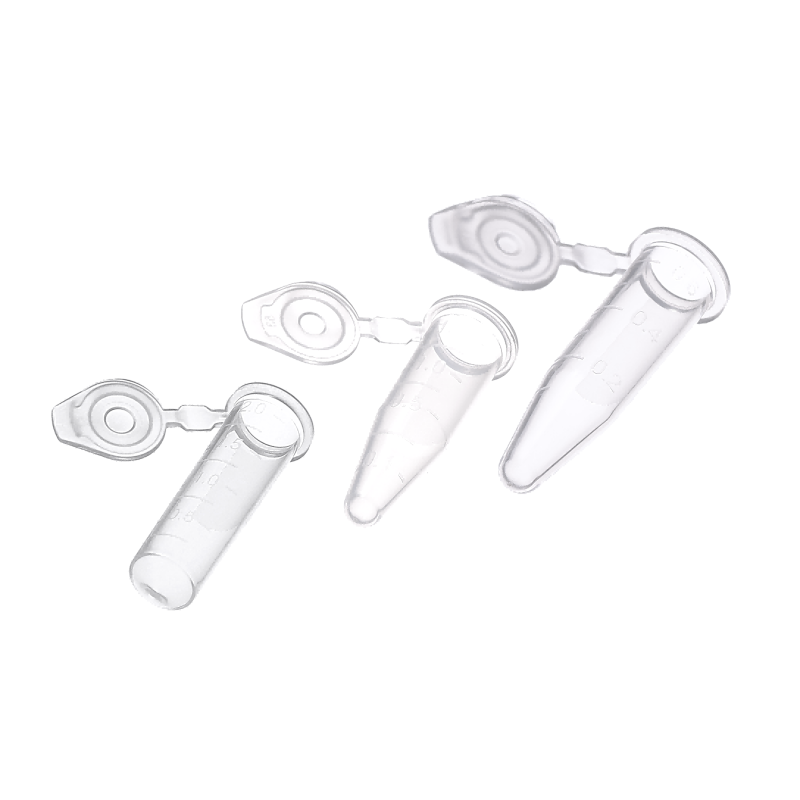
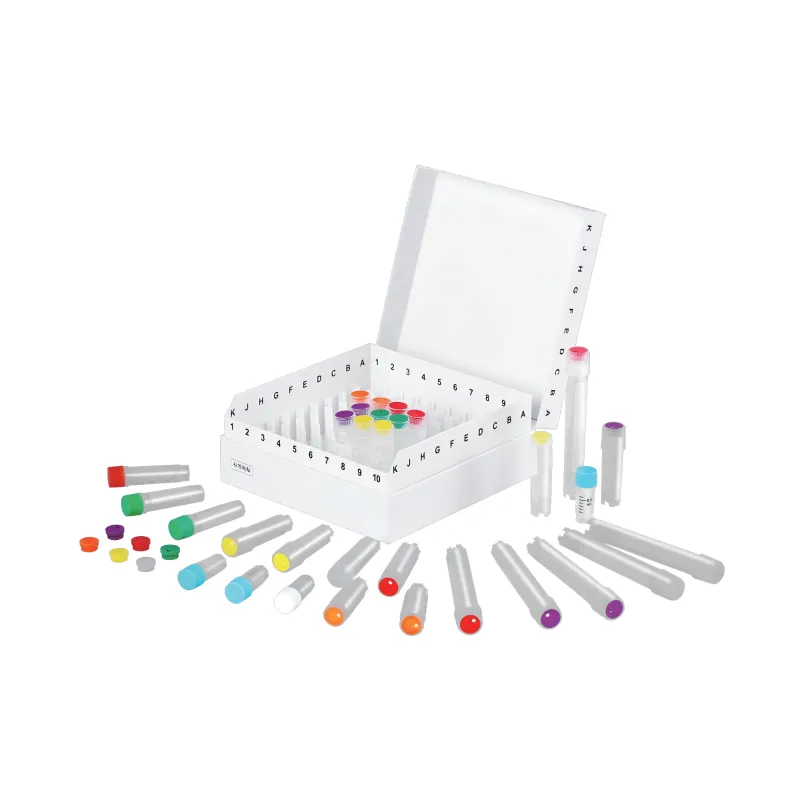
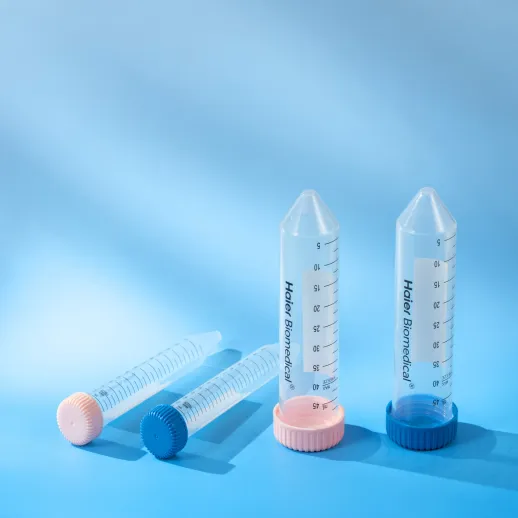
Technological features integrated into contemporary centrifuge tubes include graduated measurement markings for precise volume tracking, graduated caps preventing sample leakage, and graduated bases ensuring stability during operation. The centrifuge tube price varies depending on capacity, ranging from microcentrifuge tubes holding minimal volumes to large-capacity tubes accommodating extensive samples. Material composition significantly influences centrifuge tube price, as premium sterile tubes command higher costs than standard alternatives.
Applications spanning pharmaceutical research, clinical diagnostics, blood banking, and DNA analysis rely heavily on dependable centrifuge tubes. Understanding centrifuge tube price across different specifications enables procurement professionals to optimize laboratory budgets without compromising quality or performance standards.

 EN
EN