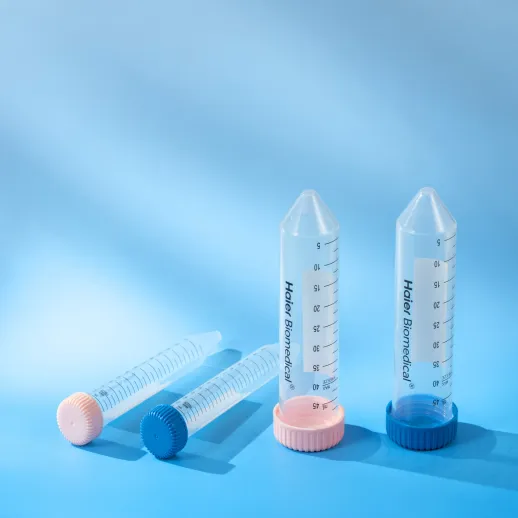
pcr microtubes
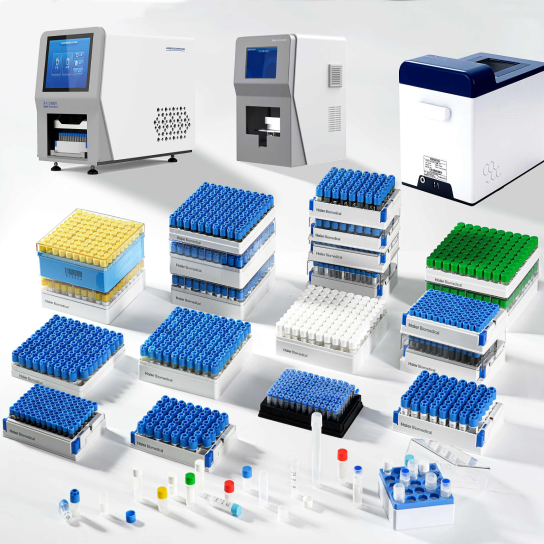
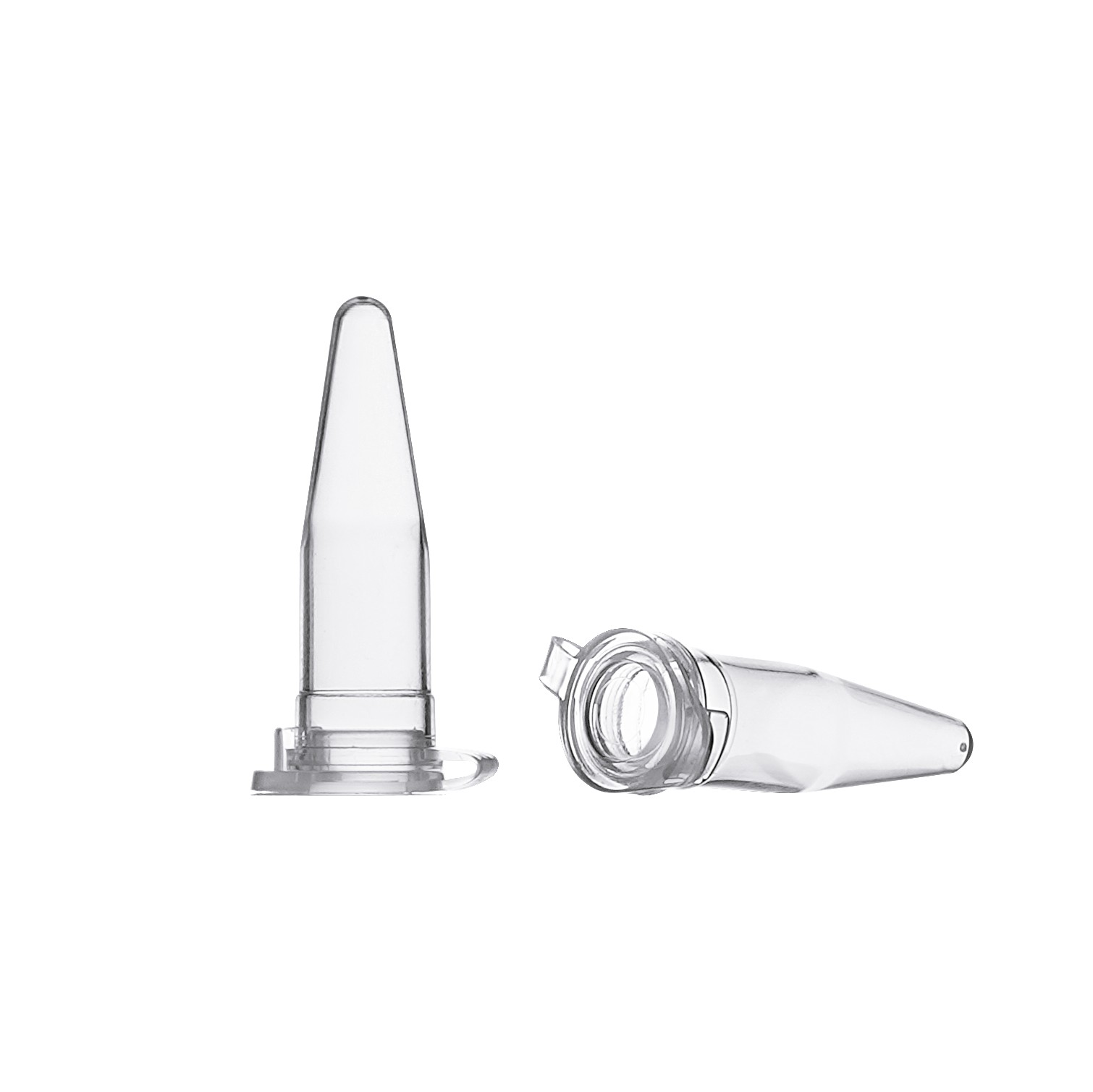
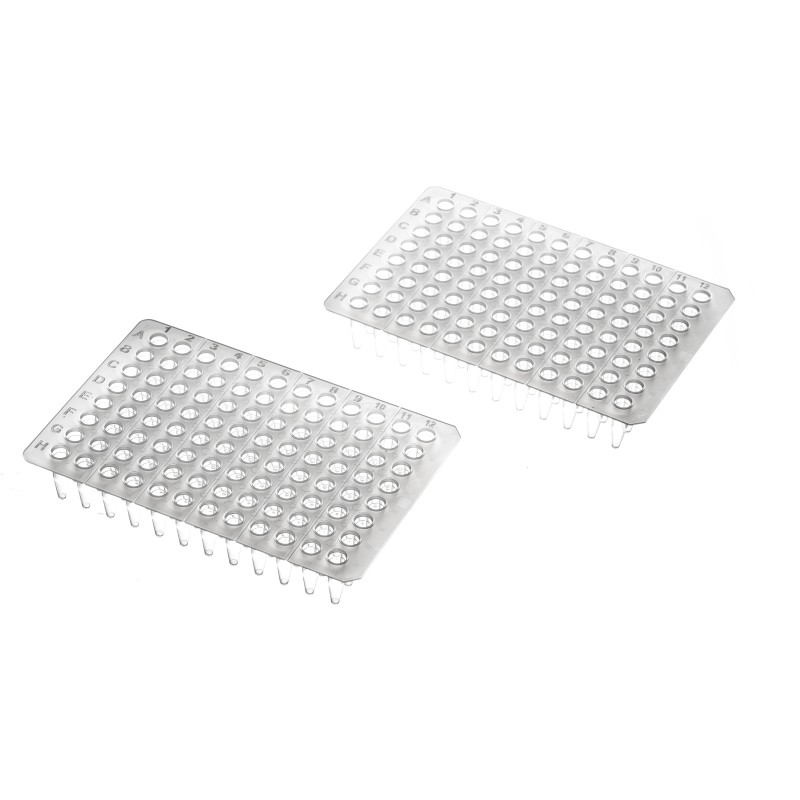
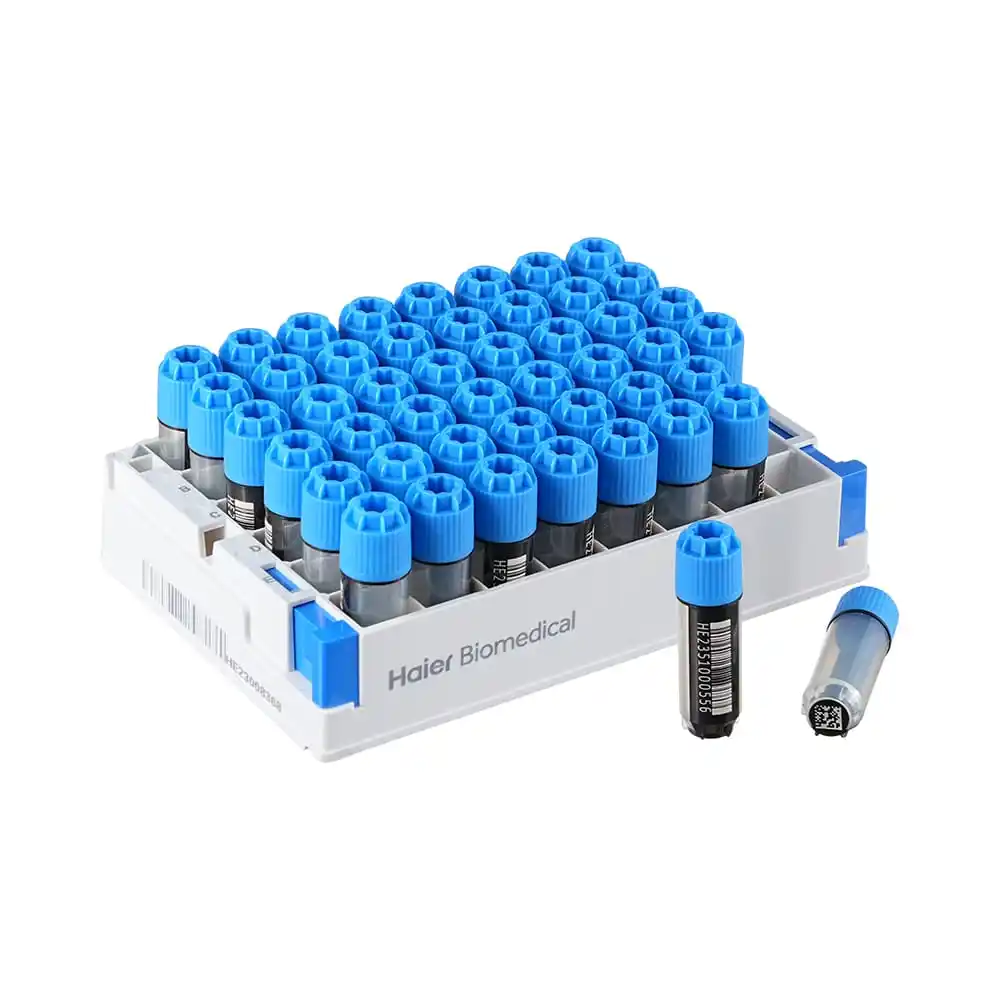
PCR microtubes are essential laboratory vessels designed specifically for polymerase chain reaction applications. These specialized containers enable researchers to conduct precise DNA amplification procedures with enhanced accuracy and reliability. PCR microtubes come in various sizes, typically ranging from 0.2 to 2.0 milliliters, accommodating different sample volumes and experimental requirements.
The primary function of PCR microtubes is to provide an optimal environment for thermal cycling during DNA replication processes. These tubes feature thin walls that facilitate rapid temperature changes, a critical requirement for successful PCR protocols. The design of PCR microtubes ensures uniform heat distribution, preventing temperature gradients that could compromise amplification results.
Technologically, modern PCR microtubes incorporate several advanced features. They are manufactured from optically clear polypropylene or specialized plastics that withstand repeated thermal cycling without degradation. The precision-molded construction of PCR microtubes ensures consistent internal dimensions, promoting uniform sample heating and cooling rates across multiple tubes simultaneously.
PCR microtubes applications span numerous fields within molecular biology and genetics research. Scientists use PCR microtubes for gene identification, viral detection, disease diagnosis, and forensic analysis. Additionally, PCR microtubes support quality control procedures in pharmaceutical manufacturing and food safety testing. The tubes facilitate high-throughput screening applications where researchers process numerous samples concurrently. Whether conducting educational demonstrations, clinical diagnostics, or advanced research, PCR microtubes remain indispensable tools for DNA amplification work across diverse laboratory settings and institutions.

 EN
EN