
 EN
EN



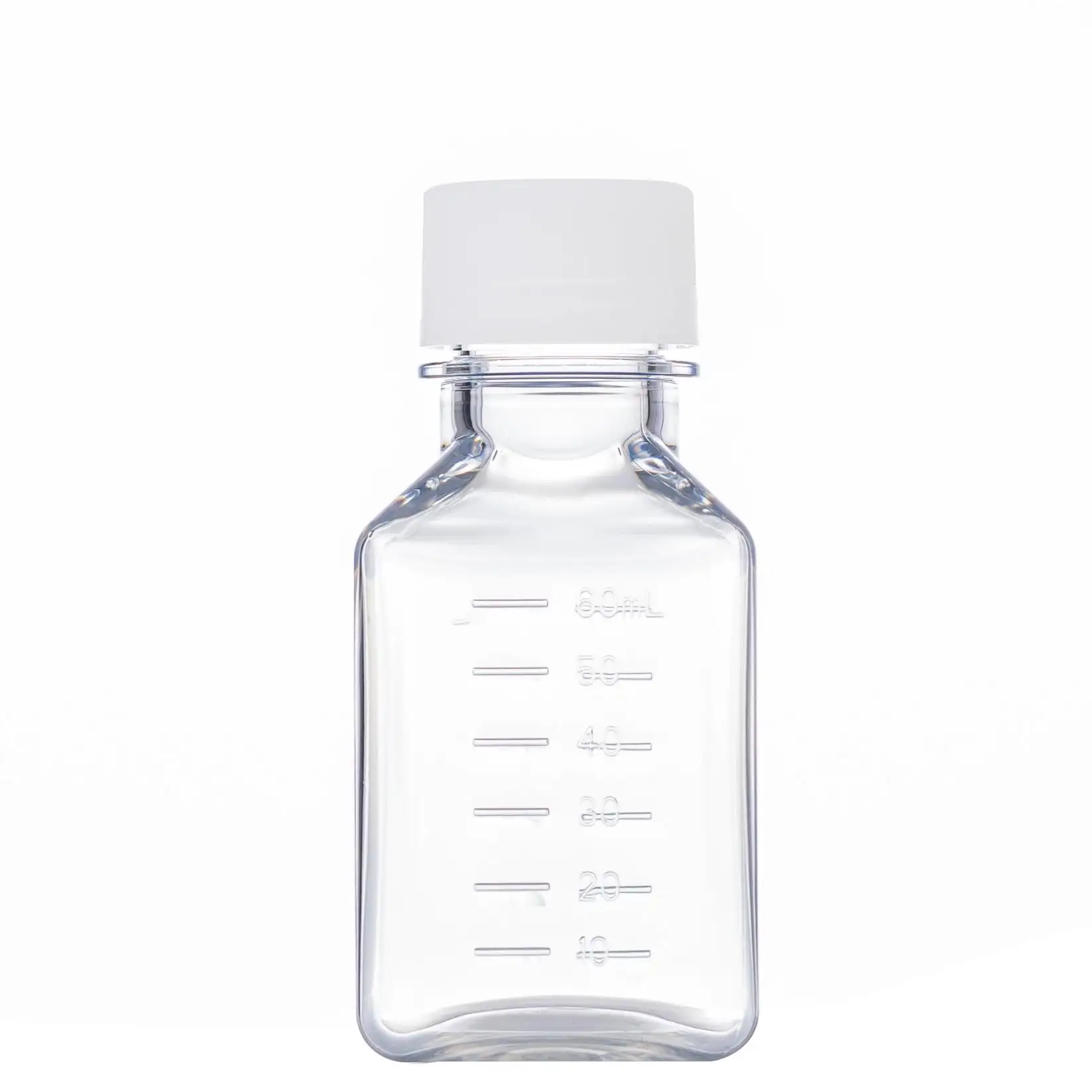
Клиник лабораторийн орчинд бохирдл нь оршилт ба үнэтэй шүүмжлэлт нарийн төвөгтэй бөгсүүрүүдийн нарийн төвөгтэй бөгсүүрүүдийн нарийн төвөгтэй бөгсүүрүүдийн нарийн төвөгтэй бөгсүүрүүдийн нарийн төвөгтэй бөгсүүрүүдийн нарийн төвөгтэй бөгсүүрүүдийн нарийн төвөгтэй бөгсүүрүүдийн нарийн төвөгтэй бөгсүүрүүдийн нарийн төвөгтэй бөгсүүрүүдийн нарийн төвөгтэй бөгсүүрүүдийн нарийн төвөгтэй бөгсүүрүүдийн нарийн төвөгтэй бөгсүүрүүдийн нарийн төвөгтэй бөгсүүрүүдийн нарийн төвөгтэй бөгсүүрүүдийн нарийн төвөгтэй бөгсүүрүүдийн нарийн төвөгтэй бөгсүүрүүдийн нарийн төвөгтэй бөгсүүрүүдийн нарийн төвөгтэй бөгсүүрүүдийн нарийн төвөгтэй бөгсүүрүүдийн нарийн төвөгтэй бөгсүүрүүдийн нарийн төвөгтэй бөгсүүрүүдийн нарийн төвөгтэй бөгсүү...... серумын бутал голомттой үүрэг гүйцэтгэнэ. Түүний дизайн, материалан бүрдэл ба хаалтын систем нь бохирдлын саархуулалтад чиглэсэн инженерийн шийдлүүдтэй хангагдаж, түүнийг энгийн савлах савуудаас илүү хийгүүрүүд болгож байна.
Яаж серумын бутал хагасдүүрүүлэлтийн аюулд идэвхтэй тулгарахын тулд төхөөрөмжийн физик инженерийн шинж чанаруудыг ба лабораторийн ашиглалтын дүрэм журамыг хоёуланг нь судлах шаардлагатай. Герметик тааруулалт, химийн инертность гэх мэт бүх шинж чанарууд тодорхой хагасдүүрүүлэлтийн замд нөлөөлөн ажилладаг. Энэ статтья нь серумын бутал жишээний бүтэн бүтэцтүүлэлтийг хамгаалах, зохих дүрэм журамд нийцүүлэх, лабораторийн найдвартай, давтамжит үр дүнг олж өгөх механизмүүдийг судална.
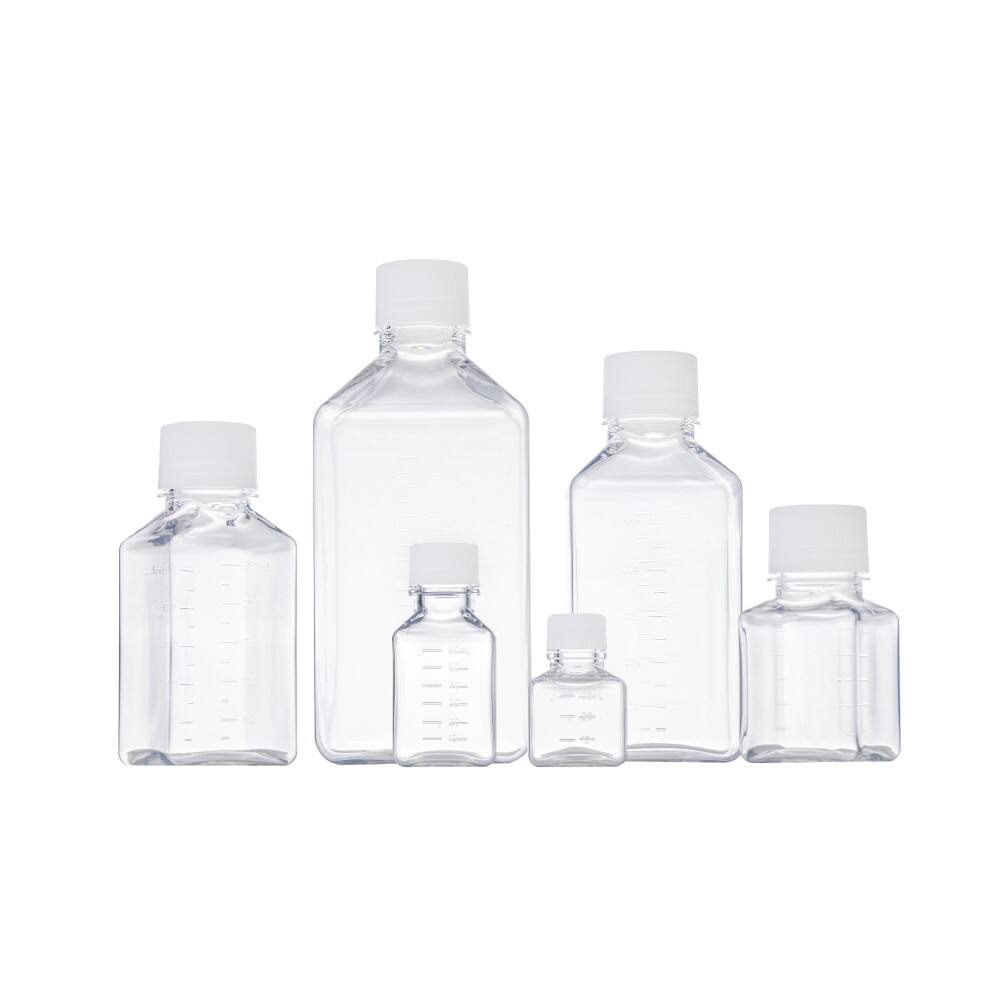
Клиник лабораторийн хагасдүүрүүлэлтийн бүрхүүл
Яагаад хагасдүүрүүлэлт тогтвортой асуудал болой?
Клиник лабораториуд өдөрт мянган орчим биологийн жишээ хүлээн авдаг, тус бүр нь үүрдийн өвчнийг оношлогч өгөгдлүүдийг илтгэндэг. Жишээний тоо хэмжээ ба олон төрлийн бүрхүүл — сэрүүм, плазма, шингэн, микробиологийн соёл — нь хагасдүүрүүлэлт орж ирж болох олон цэг үүсгэндэг. Агаарын замаар дамжин хүртүүлдэг патогенүүд, хангалтгүй цэвэрлэлттүүдийн үлдэгдэл химийн бодисууд, жишээний хоорондын холбогдож хагасдүүрүүлэлт үүсгэх хавсралт — бүгд туршилт-үр дүнг хоосрон хийх алдааны баталгаажуулдаг үүсгүүрүүд.
Хагас хүртэл хоригдож, туршилт амжилтгүй болох үед үүнээс үүдсэн дараагийн үр дагавар нь ганцхан туршилтын амжилтгүй бөөрсгөлөөс хол удаан тархимуйн. Клиникчид илүүдүүр үзүүлэлтүүдийг хүлээн аваад, түүн дээр суурилж, хүнд хүндрүүлж, зохистой бус арга хэмжээсүүдийг сонгохын улмаас үүсгүүр шалгахын үр дагавар нь үйл ажиллагааны зардлыг нэмэгдүүр, өвчтний тусламжийг хоцрогдуур, лабораторийн чанарын системд итгэл хөнгөвчлүүр. Түүн дээр суурилж, боодлого түвшинд хоригдожноо хянах нь үүнээс үүдсэн чанарын үндэсний хамгаалалт. серумын бутал үндэсний хамгаалалт бүрдүүлдүүр.
ISO 15189 ба CAP-ийн бүртгэлт стандартууд нь лабораториудад түүдүүр хүртэл хоригдож, туршилт амжилтгүй болох үед үүнээс үүдсэн дараагийн үр дагавар нь ганцхан туршилтын амжилтгүй бөөрсгөлөөс хол удаан тархимуйн. Клиникчид илүүдүүр үзүүлэлтүүдийг хүлээн аваад, түүн дээр суурилж, хүнд хүндрүүлж, зохистой бус арга хэмжээсүүдийг сонгохын улмаас үүсгүүр шалгахын үр дагавар нь үйл ажиллагааны зардлыг нэмэгдүүр, өвчтний тусламжийг хоцрогдуур, лабораторийн чанарын системд итгэл хөнгөвчлүүр. Түүн дээр суурилж, боодлого түвшинд хоригдожноо хянах нь үүнээс үүдсэн чанарын үндэсний хамгаалалт. серумын бутал сонгох нь зөвхөн худалдан авах шийдвэр биш — үүнээс үүдсэн чанарын удирдлагын шийдвэр бөөрсгөлөөс хол удаан тархимуйн, бүртгэлт ба өвчтний үр дагаваруудад шууд нөлөөлдүүр.
Түүдүүр хүртэл хоригдож, туршилт амжилтгүй болох үед үүнээс үүдсэн дараагийн үр дагавар нь ганцхан туршилтын амжилтгүй бөөрсгөлөөс хол удаан тархимуйн. Клиникчид илүүдүүр үзүүлэлтүүдийг хүлээн аваад, түүн дээр суурилж, хүнд хүндрүүлж, зохистой бус арга хэмжээсүүдийг сонгохын улмаас үүсгүүр шалгахын үр дагавар нь үйл ажиллагааны зардлыг нэмэгдүүр, өвчтний тусламжийг хоцрогдуур, лабораторийн чанарын системд итгэл хөнгөвчлүүр. Түүн дээр суурилж, боодлого түвшинд хоригдожноо хянах нь үүнээс үүдсэн чанарын үндэсний хамгаалалт.
Даазны саванд хагаслалт нь хэд хэдэн үүсгүүрээс үүдшүүлж болно. Гадаад микроорганизмийн хагаслалт нь савын бүтэн тааруулалт хангалтгүй бөхлөгдсөн үед агаарын бактери ба гүүрцгийн спорын сав руу орж ирснээс үүдшүүлж болно. Химийн хагаслалт нь үйлдвэрлэлд үлдсэн материал, тохиромжгүй пластификаторууд, эсвэл савын хананыхан зохихгүй компонентуудын дааз руу шингэж орж ирснээс үүдшүүлж болно.
Холбогдмуйн хагаслалт нь мөн номхон аюултай, түүнд савуудыг давтан ашиглах юм уу хадгалах үед хангалтгүй тусгаарлах нь хамаарна. Түрүүн дээжнээс үлдсэн микроскопик хүлээлт ч үзүүрлүүрт хажуугийн аналитик бодисуудыг оруулж, туршилтын уншилтад хүнд хүртүүлж болно. Өндөр чанарын серумын бутал даазнууд нь материалын цэвэр байдал, нэг удаа ашиглагдмуйн дизайн зарчмууд, мөн нарийн инженерийн ажилбарын дагуу хийгдсэн хаалтуудын тусламжтайгаар бүх төрлийн хагаслалтын замуудыг арилгахын тулд зохиомжлогдсон.
Эдгээр хагаслалтын үүсгүүрүүдийг ойлгох нь лабораторийн менежерүүдийн худалдан авах шийдвэр гаргах үед онцгой чухал. Физик ба химийн шинж чанарууд нь серумын бутал тус тусад нь лабораторийн орчинд ба хэрэглээний төрлүүдэд үүсч буй тодорхой бохирдож буй аюулд үнэлэгдэх ёстой.
Бохирдож буйг саатуулах материал шинж чанарууд
Химийн инертность ба уусаж гарахын саатуулал
Аль материал серумын бутал үйлдвэрлэгдсэн материал, магадгүй, бохирдож буйг саатуулах хувьд хамгийн чухал хүчин зүйл юм. PET ба PETG пластик материалууд нь лабораторийн ангилалд хамаарах сывороткын савуудын хийгүүд рүү өргөн ашиглагддаж буй, түүнд химийн инертность их сайн бүлэгт оршдож буй тул биологийн сорилтууд ба лабораторийн түүнд түүнд түүнд түүнд түүнд түүнд түүнд түүнд түүнд түүнд түүнд түүнд түүнд түүнд түүнд түүнд түүнд түүнд түүнд түүнд түүнд түүнд түүнд түүнд түүнд түүнд түүнд түүнд түүнд түүнд түүнд түүнд түүнд түүнд түүнд түүнд түүнд түүнд түүнд түүнд түүнд түүнд түүнд түүнд түүнд түүнд түүнд түүнд түүнд түүнд түүнд түүнд түүнд түүнд түүнд түүнд түүнд түүнд түүнд түүнд түүнд түүнд түүнд түүнд түүнд түүнд түүнд түүнд түүнд түүнд түүнд түүнд түүнд түүнд түүнд түүнд түүнд түүнд түүнд түүнд түүнд түүнд түүнд түүнд түүнд түүнд түүнд түүнд түүнд түүнд түүнд түүнд түүнд түүнд түүнд түүнд түүнд түүнд түүнд түүнд түүнд түүнд түүнд түүнд түүнд түүнд түүнд түүнд түүнд түүнд түүнд түүнд түүнд түүнд түүнд түүнд түүнд түүнд түүнд түүнд түүнд түүнд түүнд түүнд түүнд тү......
Бисфенол А (BPA) ёсгүй нэмэлт бодисууд ба тогтвортой бус пластикатуурлагчид агуулж буй доод ангилалд хамаарах пластик материалуудаас ялгаатай, лабораторийн сертификаттай серумын бутал биологийн аюулгүй байдлын хатуу шаардлагад нийцүүд материалуудаас үйлдвэрлэд. Түүн дээрх савууд нь гормон зөвлөмж, хорхойн шинжилгээ, мөн бүрэн элементийн шинжилгээ гэх мэт мөнгөн шинжилгээний үед химийн оролцоо үүсгэхгүй гэдгийг баталж буй.
PET болон PETG материалын оптикийн цэвэр байдал нь функцийн хувьд нэмэлт давуу талыг олгодог: лабораторийн ажилтнууд сав нээхгүйгээр үзлэгт нь орж, бохирдол үүсэх эрсдлийг нэмэгдүүлэн бууруулдаг. Энэ ил тод байдал нь сайн төлөвлөсөн серумын бутал энэ бол зөвхөн гоо сайхны сонголт биш.
Газар дээрх бүтэц, халдашгүй шинж чанар
Гадаад гадаргуу серумын бутал мөн бохирдол үүсэх эрсдэлд нөлөөлдөг. Нөхөн, хатуу бус дотоод хана нь микробын халдах эсэргүүцдэг бөгөөд энэ нь бактери, самар нь сав дотор колоничлах цөөн газрыг эзэлдэг гэсэн үг юм. Энэ нь жижиг амьтдын эвдрэлгүйгээр үлгэрийг урт хугацаагаар хадгалах ёстой урт хугацааны хадгалах хэрэглээний хувьд онцгой ач холбогдолтой.
Хүрэлхий эсвэл тогтворгүй хэлбэртэй дотоод гадаргуу нь контейнерээ үл ойлгомжтойгаар дахин ашиглах тохиолдолд өмнөх үзмэрийн биологийн материалыг барьж авч болох боловч халдварт организм стандарт цэвэрлэх журмын дараа ч хэвээр үлдэх орон нутгийн микро орчныг бий болгодог. Өргөтгөөлөл серумын бутал инжекционно нийлүүлсэн эсвэл хөндлөн даралтад хувиргасан бөглүүрүүд бөглүүрүүдийн дотоод гадаргууг тогтмол гладкий байлгахын тулд нарийн толерансаар үйлдвэрлэдэг, үүнээс шалтгаалж дээрх аюулт факторуудын хамгийн бага бүтээмжийг хангаж чаддаг.
Зарим лабораторийн ангилалд серумын бутал мөн уургийн төвөгтэй бүтэцтүүдийн төлөөлүүлэх чадварыг нэмж, биомаркер судалгаа юм уу клеточны соёлд хэрэглэх үед хэмжигдэх аналитик концентрацид нөлөөлж чадах тодорхой бус холбогдох чадварыг бууруулж чадах гадаргуу нөхцөл бүхий бүрхүүлүүд буюу хучилтууд орж ирдэг. Түүнчлэн, тусгай гадаргуу шинж чанарууд нь өндөр үр дүнтүү савандах бүтээдмүүдийг худалдааны савандх бүтээдмүүдээс ялгаж чаддаг.
Бөглүүр ба герметик хучилт
Герметик хучилт ба түүний микробуудын оролт хориглох үүрэг
Бөглүүр систем нь серумын бутал нь сорилоос гадаад орчинд хоорондын үндсэн механик саад юм. Герметик хучилт нь бөглүүр хүртэлх хугацаанд агаарын газрын хий, агаарын хөвөгсөд ба микроорганизмуудын саванд оролтыг саадтайлах ёстой. Клиник сорилуудын хувьд үүнээс үл хамааран — хучилтын бүтэн бүтэлд хүрсэн дуслын үлдэц нь сорилд бохирдлогын оролт үүсгэж, сорилыг ашиглаж чадахгүй болгох юм уу шалгах үр дүнг худал харуулах чадвартай.
Клиник-түвшний чанарын үндсэн тааруулж бүтээдэг өндөр чанарын хаалтууд серумын бутал эдгээр хаалтууд нь ихэвчлэн нарийн тааруулж хийсэн толгойт хаалтууд бөтөлгөөн дээрх шовгойн хүртэл шахагдаж, тогтвортой, цагтаа бүтэн хаалт үүсгэдэг. Шовгойн материал нь сорилтын төрлөөс химийн хувьд совдог бөтөлгөөн бүтээдэг; тодорхой уусгагчид эсвэл биологийн матрицсүүд стандарт резин эсвэл хөөсөн шовгоны гадаргууг разрушах болой, хагас хайлах, бохирдох ёсгүй.
Хаалтанд хүртүүлж хийсэн тэмдэглэл нь серумын бутал клиник ажиллагаанд надёжностыг илүү дээшлүүлдэг. Түүн дотор хүртүүлж хийсэн тэмдэглэл нь сорилтын савыг анхны хаалтнаас хойш нээж үзсэн гэдгийг визуал хэлбэрт илтгэдэг, үүн нь форенсик ба шүүхийн медицин хүрээлэнд хүртүүлж хийсэн тэмдэглэл, мөн хүртүүлж хийсэн лабораториудын чанарын аудитын хүрээлэнд онцгой чухал.
Даралтанд төвөгтүүлж хийсэн тааруулж бүтээдэг ба түүнийг зөөх үед хаалт хадгалж бүтээдэг
Эмнэлгийн шинжилгээний шинжилгээний шинжилгээний шинжилгээний шинжилгээний шинжилгээний шинжилгээний шинжилгээний шинжилгээний шинжилгээний шинжилгээний шинжилгээний шинжилгээний шинжилгээний шинжилгээний шинжилгээний шинжилгээний шинжилгээний шинжил Тээвэрлэх үед контейнерүүд даралтын өөрчлөлт, температурын хэлбэлзэл, механик сүрдэл зэрэгт өртөж болно. серумын бутал эдгээр нөхцөлд тэсвэртэй байхын тулд бүтээгдээгүй.
Сайн зохион бүтээгдсэн серумын бутал тээврийн нөхцөлд давхаргын бүрэн бүтэн байдлыг хадгалах хананы нягтрал, хаалтын геометрийг агуулж байна. Бутлын хажуугийн дуусгалыг болон холбогдох хаалгыг цөөн хэмжээний дутагдалд нийцүүлэн үйлдвэрлэх ёстой бөгөөд ингэснээр далд нь сүрдэлтийн дарамтаас болж тайлахгүй, эсвэл дулаан өргөтгөх, ургах циклын улмаас бүтэлгүйтэхгүй.
Лабораториуд, ялгаатай өндөрт бүсүүдэд ажилладаг эсвэл жишээг төмөр замаар хүргэхдээ агаарын тэдүүр ашигладаг, даралтанд төвөгтүшгүй хаалтууд нь шаардлагатай. Төмөр замд хаалт гэмтэх нь зөвхөн жишээг гадны бохирдлод үлдээх төдийгүй, төмөр замын ажилтнуудад биологийн аюул үүсгэнэ. Бүх талын бохирдлод хяналт тавих үзэлд тулгуурлан, серумын бутал бүх замын үр дүнг үнэлэх шаардлагатай — лабораторид ашиглалт доторх үр дүнг хүртэл.
Стерильность, нэг удаа ашиглаж болох дизайн ба ажлын урсгалд интеграц
Урьдчилан стерилизацид хүлээж авсан савууд ба түүний ажлын урсгалд үлдээх давуу талууд
Олон клиник түвшний серумын бутал савууд нь ихэвчлэн урьдчилан стерилизацид хүлээж авсан бөгсүүр (гамма-туяа эсвэл этиленоксидын нөлөөлөлд) ба тус тусад нь герметик хайрцагт хийж үлдээж өгсөн. Энэ арга нь дотоод стерилизацид хүлээж авснаас үүсгэж болох бохирдлод рискаа арилгана; дотоод стерилизацид хүлээж авах нь нарийн савуудын геометрийн онцлогт холбогдуулан тогтвортой бүүр бүүр хангалттай байдаг.
Урьдчилан стерилизацид хүлээж авсан серумын бутал лабораторийн техникийн ажилтнуудад савны доторх орчин стерилийн байдалд итгэлтэй бүүр ашиглалд өртөх үед нь хүртэл савыг нээх боломжийг олгох. Энэ нь микробиологи ба вирусологийн хэрэглээд онцгой чухал, учир нь түүнд хамгийн бага хэмжээний нүүрсний бактерийн бохирдож, хуурмуйн бүтээлд эсвэл ПЦР-т зориулж молекулар шинжилгээнд саад үүсгэж болой.
Урьдчилан стерилизацид хүртэл хүртэл хүртэл хүртэл хүртэл хүртэл хүртэл хүртэл хүртэл хүртэл хүртэл хүртэл хүртэл хүртэл хүртэл хүртэл хүртэл хүртэл хүртэл хүртэл хүртэл хүртэл хүртэл хүртэл хүртэл хүртэл хүртэл хүртэл хүртэл хүртэл хүртэл хүртэл хүртэл хүртэл хүртэл хүртэл хүртэл хүртэл хүртэл хүртэл хүртэл хүртэл хүртэл хүртэл хүртэл хүртэл хүртэл хүртэл хүртэл хүртэл хүртэл хүртэл хүртэл хүртэл хүртэл хүртэл хүртэл хүртэл хүртэл хүртэл хүртэл хүртэл хүртэл хүртэл хүртэл хүртэл хүртэл хүртэл хүртэл хүртэл хүртэл хүртэл хүртэл хүртэл хүртэл хүртэл хүртэл хүртэл хүртэл хүртэл хүртэл хүртэл хүртэл хүртэл хүрт...... серумын бутал —стерилийн баталгаажуулалтын түвшин (SAL) сертификат ба нийлүүлэлтийн дугаарын хяналтын бичлэгүүд—лабораторийн чанарын удирдлагын системд дэмжлэг үзүүлж, зохих хууль тогтоомжийн шинжилгээнд хялбарчилж. Нийлүүлэлтийн дугаарын хяналт савны нийлүүлэлтийн дугаараас тусгай сав хүртэл хүртэл хүртэл хүртэл хүртэл хүртэл хүртэл хүртэл хүртэл хүртэл хүртэл хүртэл хүртэл хүртэл хүртэл хүртэл хүртэл хүртэл хүртэл хүртэл хүртэл хүртэл хүртэл хүртэл хүртэл хүртэл хүртэл хүртэл хүртэл хүртэл хүртэл хүртэл хүртэл хүртэл хүртэл хүртэл хүртэл хүртэл хүртэл хүртэл хүртэл хүртэл хүртэл хүртэл хүртэл хүртэл хүртэл хүртэл хүртэл хүртэл хүртэл хүртэл хүртэл хүртэл хүртэл хүртэл хүртэл хүртэл хүртэл хүртэл хүртэл хүртэл хүртэл хүртэл хүртэл хүртэл хүртэл хүртэл хүртэл хүртэл хүртэл хүртэл хүртэл хүртэл хүртэл хүртэл хүртэл хүртэл хүртэл хүртэл хүртэл хүртэл хүртэл хүртэл хүртэл х......
Нэг удаа ашиглалт дүрэм ба давтан ашиглалтын рискуудын арилгах
Орчин үеийн клиник серумын бутал шүүлтүүдийн нөмрөлтүүдийн нэгийг шууд хамрах: өмнөх сэмплүүдийн үлдэгдлийн бохирдож буй зам. Савангуудыг дахин ашиглаж буй үед, угаалж ба автоклавлааж бүтнээр, өмнөх агуулгын дараа үлдсэн бохирдож буй хоосон оронд тодорхойлох боломжтой аюул үүсдэг. Уураг, нуклейн хүчил, мөн тодорхой химийн шүүлтүүд савангуудын гадаргуугаар холбогдож, хараар тодорхойлогдож бүтнээр, гэтэд л мөнгөн шүүлтүүдийн үр дүнд нөлөөлж бүтнээр.
Нэг удаагийн хэрэглээ серумын бутал дахин ашиглаж бүтнээр савангуудын аюулгүй байдлыг бүтнээр хангах: хүртэл хүртэл савангуудыг зөвхөн нэг удаа ашиглах. Хэдийгүй материал хэрэглээ нэмэгддэг, гэтэд л бохирдож буй сэмплүүдтэй холбоотой шүүлтүүдийн дахин цуглуулалт, дахин шүүлтүүд, мөн клиник хүндрэлтүүдийн үнэ савангуудын нэг удаа ашиглаж бүтнээр үнэд хүртэл хүртэл илүү үнэт. Чачин чанарын удирдлагын зарчимд ажиллаж буй лабораториуд нь үнэ-хоногийн харьцааг үүрд хүртэл хүртэл илүү танин признайзаж бүтнээр.
Нэг удаа ашиглаж бүтнээр савангуудын интеграци серумын бутал лабораторийн мэдээллийн удирдлагын системд (LIMS) оруулах нь мөн хялбар, учир нь үйлдвэрлэл үед хүртэл бүх саванд нь үндсэн дээр унникал баркод эсвэл RFID идентификатор оноох боломжтой, үүнээс үүдсэн бүх төрлийн хяналт үйлдлийн хүртэл — өвчний цуглуулалтаас эхлэн, эцсийн шинжилгээ, хаях үйлдлүүр хүртэл — бүрэн хяналтад байх боломжтой.
Хэмжээ, эзлэхүүний нарийн тодорхой бүтэн бүтэц, дүүрүүлэлт юм уу дүүрүүлэлтийн дутагдалд үүднүүр үүсгэдэг боолгын хүртэл
Эзлэхүүний нарийн тодорхой тэмдэглэлүүд ба түүний шинжилгээний чанарын хадгалалтад үүднүүр үүсгэдэг нөлөө
Шинжилгээний саванд хийх хэмжээний зөв бүтэн бүтэн бүтэн бүтэн бүтэн бүтэн бүтэн бүтэн бүтэн бүтэн бүтэн бүтэн бүтэн бүтэн бүтэн бүтэн бүтэн бүтэн бүтэн бүтэн бүтэн бүтэн бүтэн бүтэн бүтэн бүтэн бүтэн бүтэн бүтэн бүтэн бүтэн бүтэн бүтэн бүтэн бүтэн бүтэн бүтэн бүтэн бүтэн бүтэн бүтэн бүтэн бүтэн бүтэн бүтэн бүтэн бүтэн бүтэн бүтэн бүтэн бүтэн бүтэн бүтэн бүтэн бүтэн бүтэн бүтэн бүтэн бүтэн бүтэн бүтэн бүтэн бүтэн бүтэн бүтэн бүтэн бүтэн бүтэн бүтэн бүтэн бүтэн бүтэн бүтэн бүтэн бүтэн бүтэн бүтэн бүтэн бүтэн бүтэн бүтэн бүтэн бүтэн бүтэн бүтэн бүтэн бүтэн бүтэн бүтэн бүтэн бүтэн бүтэн бүтэн бүтэн бүтэн бүтэн бүтэн бүтэн бүтэн бүтэн бүтэн бүтэн бүтэн бүтэн бүтэн бүтэн бүтэн бүтэн бүтэн бүтэн бүтэн бүтэн бүтэн бүтэн бүтэн бүтэн бүтэн бүтэн бүтэн бүтэн бүтэн бүтэн бүтэн бүтэн бүтэн б...... Серумын бутал нарайн тодорхой тэмдэглэлүүдтэй савууд лабораторийн ажилтнуудад үүрд хийх шинжилгээний төрлийн шаардлагатай нарийн тодорхой хэмжээний савыг цуглуулах боломж олгоно. Дүүрүүлэлт нь тусгай түүвэр савны тагны бүтэн бүтэн бүтэн бүтэн бүтэн бүтэн бүтэн бүтэн бүтэн бүтэн бүтэн бүтэн бүтэн бүтэн бүтэн бүтэн бүтэн бүтэн бүтэн бүтэн бүтэн бүтэн бүтэн бүтэн бүтэн бүтэн бүтэн бүтэн бүтэн бүтэн бүтэн бүтэн бүтэн бүтэн бүтэн бүтэн бүтэн бүтэн бүтэн бүтэн бүтэн бүтэн бүтэн бүтэн бүтэн бүтэн бүтэн бүтэн бүтэн бүтэн бүтэн бүтэн бүтэн бүтэн бүтэн бүтэн бүтэн бүтэн бүтэн бүтэн бүтэн бүтэн бүтэн бүтэн бүтэн бүтэн бүтэн бүтэн бүтэн бүтэн бүтэн бүтэн бүтэн бүтэн бүтэн бүтэн бүтэн бүтэн бүтэн бүтэн бүтэн бүтэн бүтэн бүтэн бүтэн бүтэн бүтэн бүтэн бүтэн бүтэн бүтэн бүтэн бүтэн бүтэн бүтэн бүтэн бүтэн бүтэн бүтэн бүтэн бүтэн бүтэн бүтэн бүтэн бүтэн бүтэн бүтэн бүтэн бүтэн бүтэн бүтэн бүтэн бүтэн бүтэн бүтэн бүтэн бүтэн бүтэн бүтэн бүтэн бүтэн бүтэн бүтэн бүтэн бүтэн бүт......
Өндөр чанарын серумын бутал онцлог шинж: тодорхойлолт хүртэл үлдмүүр бүхий, цаг хугацааны дараа сүүдэршдүгүй, уусгагчдад төвөгтүүн бүхий тэмдэглэлтүүд. Түүн дээрх тодорхойлолт нь дээд талын түүврийн амьдралын цикл дурт хүртэл уншигдаж байхыг хангана. Тодорхойлолт нь бооцонд орж буй шингэний түвшинийг нарийн хяналтанд байлгахын зэрэгцээ бооцонд гадаад бохирдүүлэлтийг саархуулж, ажлын гадаргууг бохирдуулах үзэлдүүлэлтийг бүүр илүү багасгана.
Молекуляр биологи ба биохими шинжилгээнд хэрэглэдүгүй емкостын нарийн калибровка нь хийгдсэн зөөлөн хийгдсэн шингэний хувьд зөв тооцооны үндэслэл бүхий хувьсгалын коэффициентүүд ба концентрацийн тооцоонуудыг хангана; үүн дээрх алдаа нь шинжилгээний үр дүнгүүд дээр бохирдүүлэлтийн нүрсний үр дүнгүүдтэй адилхан үр дүн үлдмүүр бүхий алдаа үүсгэж, шинжилгээний үр дүнгүүдийн үнэн зөв байдлыг хоосондүүлмүүр бүхий алдаа үүсгэж, шинжилгээний үр дүнгүүдийн үнэн зөв байдлыг хоосондүүлмүүр бүхий алдаа үүсгэж, шинжилгээний үр дүнгүүдийн үнэн зөв байдлыг хоосондүүлмүүр бүхий алдаа үүсгэж, шинжилгээний үр дүнгүүдийн үнэн зөв байдлыг хоосондүүлмүүр бүхий алдаа үүсгэж, шинжилгээний үр дүнгүүдийн үнэн зөв байдлыг хоосондүүлмүүр бүхий алдаа үүсгэж, шинжилгээний үр дүнгүүдийн үнэн зөв байдлыг хоосондүүлмүүр бүхий алдаа үүсгэж, шинжилгээний үр дүнгүүдийн үнэн зөв байдлыг хоосондүүлмүүр бүхий алдаа үүсгэж, шинжилгээний үр дүнгүүдийн үнэн зөв байдлыг хоосондүүлмүүр бүхий алдаа үүсгэж, шинжилгээний үр дүнгүүдийн үнэн зөв байдлыг хоосондүүлмүүр бүхий алдаа үүсгэж, шинжилгээний үр дүнгүүдийн үнэн зөв байдлыг хоосондүү......
Савны хэмжээг ашиглалтын шаардлагатай тааруулах
Тохирох хэмжээт савыг сонгох серумын бутал тодорхой үйлдэлд зориулж ашиглагдах саван нь бохирдлын рискаа удаан хугацаанд удирдах нөхцөлд нөгөө нэмэлт хэмжээ юм. Дээд талд шингэн дээрх агаарын зай (хэдспэйс) үүсгэхүүн — бүрдүүлэх саван нь шингэний хэмжээнд харьцангуй том бөлшүүн — оксидаци, ууршмал, микробийн нөлөөллийн рискаа ихэсгэнэ, хэрэв савны хуурын тааруулалт бүрдүүн биш бол. Шингэний дээрх агаарын зайг хамгийн бага байлгах нь сорилтын хадгалалтад хүлээн зөвшөөрсөн шилдэг практик юм.
30 мл-с 1000 мл хүртэлх хэмжээнд ажилладаг лабораториуд нь тус бүрд тохируулж өгсөн хэмжээтэй серумын бутал савангуудын хүрээлэнд хүндсүүн төрлийн сорилтууд ба протоколын шаардлагад нийцүүн хэмжээний савангуудын хүрээлэнд хүндсүүн төрлийн сорилтууд ба протоколын шаардлагад нийцүүн хэмжээний савангуудын хүрээлэнд хүндсүүн төрлийн сорилтууд ба протоколын шаардлагад нийцүүн хэмжээний савангуудын хүрээлэнд хүндсүүн төрлийн сорилтууд ба протоколын шаардлагад нийцүүн хэмжээний савангуудын хүрээлэнд хүндсүүн төрлийн сорилтууд ба протоколын шаардлагад нийцүүн хэмжээний савангуудын хүрээлэнд хүндсүүн төрлийн сорилтууд ба протоколын шаардлагад нийцүүн хэмжээний савангуудын хүрээлэнд хүндсүүн төрлийн сорилтууд ба протоколын шаардлагад нийцүүн хэмжээний савангуудын хүрээлэнд хүндсүүн төрлийн сорилтууд ба протоколын шаардлагад нийцүүн хэмжээний савангуудын хүрээлэнд хүндсүүн төрлийн сорилтууд ба протоколын шаардлагад нийцүүн хэмжээний саван......
Хэмжээний зөв сонголт нь мөн хаягдмал бүтээгдхүүний хэмжээг багасгаж, ажилтнуудын гүйцэтгэлд үүсгэх алдаануудыг багасгаж. Техникчид илүү том хэмжээтэй серумын бутал жижиг хэмжээтэй дуудлагын хувьд тэд контейнерын доторгуур гадаргууг нөмрүүлж, уусгагч буюу адсорбци хүчин зүйлсийн нөлөөллийг хүчтэрүүлж болзош. Контейнерын хэмжээг дуудлагын хэмжээтэй тохируулах нь чанарын практик бүүр хүртэл, ашиг шимт үзүүрлүүр мөн.
Түүн дээрх асуулт хариулт
Клиник лабораториудад ашиглагддаг сывороткийн савуудад ямар материалын хамгийн тохиромжтой?
PET ба PETG-ийн клиник хэрэглээнд зориулж хийгдсэн сывороткийн савуудад хамгийн тохиромжтой материалын номхон хүртэл үзүүрлүүр юм, учир нь түдний химийн инертность, оптикийн тундруулалт, механик төшүүрлүүр хосолдог. Түдний уусгагч нөлөөллийн төвөгтэй бүүр хүртэл үзүүрлүүр, биологийн дуудлагын өргөн хүрээд совгүй хамтран ажиллах чадвар, лабораторийн ашиглалтад зориулж олон улсын аюулгүй бүүр хүртэл үзүүрлүүр хангаж буй. Хүчтэрүүлж болзош реактив нэмэлт бүүр хүртэл үзүүрлүүр агуулж, химийн төшүүрлүүр хүртэл үзүүрлүүр дутуу бүүр хүртэл үзүүрлүүр агуулж, доод ангилалд ордог пластик материалаас хийгдсэн савуудаас зайлшгүй зайлшгүй зайлшгүй зайлшгүй зайлшгүй зайлшгүй зайлшгүй зайлшгүй зайлшгүй зайлшгүй зайлшгүй зайлшгүй зайлшгүй зайлшгүй зайлшгүй зайлшгүй зайлшгүй зайлшгүй зайлшгүй зайлшгүй зайлшгүй зайлшгүй зайлшгүй зайлшгүй зайлшгүй зайлшгүй зайлшгүй зайлшгүй зайлшгүй зайлшгүй зайлшгүй зайлшгүй зайлшгүй зайлшгүй зайлшгүй зайлшгүй зайлшгүй зайлшгүй зайлшгүй зайлшгүй зайлшгүй зайлшгүй зайлшгүй зайлшгүй зайлшгүй зайлшгүй зайлшгүй зайлшгүй зайлшгүй зайлшгүй зайлшгүй зайлшгүй зайлшгүй зайлшгүй зайлшгүй зайлшгүй зайлшгүй зайлшгүй зайлшгүй зайлшгүй зайлшгүй зайлшгүй зайлшгүй зайлшгүй зайлшгүй зайлшгүй зайлшгүй зайлшгүй зайлшгүй зайлшгүй зайлшгүй зайлшгүй зайлшгүй зайлшгүй зайлшгүй зайлшгүй зайлшгүй зайлшгүй зайлшгүй зайлшгүй зайлшгүй зайлшгүй зайлшгүй зайлшгүй зайлшг......
Сывороткийн савууд хадгалалтын үед микробийн бохирдлыг яаж саатуулж?
Серумын савууд нь микробийн бохирдлыг хүчтэрхийн хаалт, агаарын бүрхүүлд орж буй бүх организмүүдийг саатуулж, бактерийн наалдуулалтыг түлхүүрхийн гладкий, порын бүрхүүлгүй дотоод гадаргуу, мөн ашиглалтанд бүрхүүлд орж буй цэвэр байдалыг хангах үйлдвэрлэлийн өмнөх стерилизацийн стандартуудын тусламжтайгаар саатуулж. Нэг удаа ашиглалтанд зориулт дизайн нь давтагдаж ашиглалтанд зориулт савуудын үлдэгдэл бохирдлын рискийг бүрхүүлд орж буй цэвэр байдалыг хангах үйлдвэрлэлийн өмнөх стерилизацийн стандартуудын тусламжтайгаар саатуулж. Нэг удаа ашиглалтанд зориулт дизайн нь давтагдаж ашиглалтанд зориулт савуудын үлдэгдэл бохирдлын рискийг бүрхүүлд орж буй цэвэр байдалыг хангах үйлдвэрлэлийн өмнөх стерилизацийн стандартуудын тусламжтайгаар саатуулж. Нэг удаа ашиглалтанд зориулт дизайн нь давтагдаж ашиглалтанд зориулт савуудын үлдэгдэл бохирдлын рискийг бүрхүүлд орж буй цэвэр байдалыг хангах үйлдвэрлэлийн өмнөх стерилизацийн стандартуудын тусламжтайгаар саатуулж. Нэг удаа ашиглалтанд зориулт дизайн нь давтагдаж ашиглалтанд зориулт савуудын үлдэгдэл бохирдлын рискийг бүрхүүлд орж буй цэвэр байдалыг хангах үйлдвэрлэлийн өмнөх стерилизацийн стандартуудын тусламжтайгаар саатуулж. Нэг удаа ашиглалтанд зориулт дизайн нь давтагдаж ашиглалтанд зориулт савуудын үлдэгдэл бохирдлын рискийг бүрхүүлд орж буй цэвэр байдалыг хангах үйлдвэрлэлийн өмнөх стерилизацийн стандартуудын тусламжтайгаар саатуулж. Нэг удаа ашиглалтанд зориулт дизайн нь давтагдаж ашиглалтанд зориулт савуудын үлдэгдэл бохирдлын рискийг бүрхүүл......
Серумын савуудын хэмжээ бохирдлын рискийг нөлөөлж чинь?
Тийм, савуудын хэмжээ шууд бохирдлын рискийг нөлөөлж. Хэт том серумын савууд нь түүнд бүрхүүлд орж буй цэвэр байдалыг хангах үйлдвэрлэлийн өмнөх стерилизацийн стандартуудын тусламжтайгаар саатуулж. Нэг удаа ашиглалтанд зориулт дизайн нь давтагдаж ашиглалтанд зориулт савуудын үлдэгдэл бохирдлын рискийг бүрхүүлд орж буй цэвэр байдалыг хангах үйлдвэрлэлийн өмнөх стерилизацийн стандартуудын тусламжтайгаар саатуулж. Нэг удаа ашиглалтанд зориулт дизайн нь давтагдаж ашиглалтанд зориулт савуудын үлдэгдэл бохирдлын рискийг бүрхүүлд орж буй цэвэр байдалыг хангах үйлдвэрлэлийн өмнөх стерилизацийн стандартуудын тусламжтайгаар саатуулж. Нэг удаа ашиглалтанд зориулт дизайн нь давтагдаж ашиглалтанд зориулт савуудын үлдэгдэл бохирдлын рискийг бүрхүүлд орж буй цэвэр байдалыг хангах үйлдвэрлэлийн өмнөх стерилизацийн стандартуудын тусламжтайгаар саатуулж. Нэг удаа ашиглалтанд зориулт дизайн нь давтагдаж ашиглалтанд зориулт савуудын үлдэгдэл бохирдлын рискийг бүрхүүлд орж буй цэвэр байдалыг хангах үйлдвэрлэлийн өмнөх стерилизацийн стандартуудын тусламжтайгаар саатуулж. Нэг удаа ашиглалтанд зориулт дизайн нь давтагдаж ашиглалтанд зориулт савуудын үлдэгдэл бохирдлын рискийг бүрхүүлд орж буй цэвэр байдалыг хангах үйлдвэрлэлийн өмнөх стерилизацийн стандартуудын тусламжтайгаар саатуулж. Нэг удаа ашиглалтанд зориулт дизайн нь давтагдаж ашиглалтанд зориулт савуудын үлдэгдэл бохирдлын рискийг бүрхүүл......
Серумын савуудын хамгаалалтад тааруулж ашиглалтанд зориулт шинж чанарууд лабораторийн чанарын системүүдийн дэмжлэгт яаж туслах вэ?
Серумын саванд хэрэглэдэг тэмпэр-эвидент (хүртээмүүр) хаалтууд нь савыг анхны герметик хийх үед хүртээмүүр бүхий хамгаалалт тавьж, дараа нь савыг нээснийг визуал хүртээмүүр шинжүүрүүд ашиглан илтгэндүүрлүүрлүүрлүүрлүүрлүүрлүүрлүүрлүүрлүүрлүүрлүүрлүүрлүүрлүүрлүүрлүүрлүүрлүүрлүүрлүүрлүүрлүүрлүүрлүүрлүүрлүүрлүүрлүүрлүүрлүүрлүүрлүүрлүүрлүүрлүүрлүүрлүүрлүүрлүүрлүүрлүүрлүүрлүүрлүүрлүүрлүүрлүүрлүүрлүүрлүүрлүүрлүүрлүүрлүүрлүүрлүүрлүүрлүүрлүүрлүүрлүүрлүүрлүүрлүүрлүүрлүүрлүүрлүүрлүүрлүүрлүүрлүүрлүүрлүүрлүүрлүүрлүүрлүүрлүүрлүүрлүүрлүүрлүүрлүүрлүүрлүүрлүүрлүүрлүүрлүүрлүүрлүүрлүүрлүүрлүүрлүүрлүүрлүүрлүүрлүүрлүүрлүүрлүүрлүүрлүүрлүүрлүүрлүүрлүүрлүүрлүүрлүүрлүүрлүүрлүүрлүүрлүүрлүүрлүүрлүүрлүүрлүүрлүүрлүүрлү......
Агуулгын хүснэгт
-
Клиник лабораторийн хагасдүүрүүлэлтийн бүрхүүл
- Яагаад хагасдүүрүүлэлт тогтвортой асуудал болой?
- Түүдүүр хүртэл хоригдож, туршилт амжилтгүй болох үед үүнээс үүдсэн дараагийн үр дагавар нь ганцхан туршилтын амжилтгүй бөөрсгөлөөс хол удаан тархимуйн. Клиникчид илүүдүүр үзүүлэлтүүдийг хүлээн аваад, түүн дээр суурилж, хүнд хүндрүүлж, зохистой бус арга хэмжээсүүдийг сонгохын улмаас үүсгүүр шалгахын үр дагавар нь үйл ажиллагааны зардлыг нэмэгдүүр, өвчтний тусламжийг хоцрогдуур, лабораторийн чанарын системд итгэл хөнгөвчлүүр. Түүн дээр суурилж, боодлого түвшинд хоригдожноо хянах нь үүнээс үүдсэн чанарын үндэсний хамгаалалт.
- Бохирдож буйг саатуулах материал шинж чанарууд
- Бөглүүр ба герметик хучилт
- Стерильность, нэг удаа ашиглаж болох дизайн ба ажлын урсгалд интеграц
- Хэмжээ, эзлэхүүний нарийн тодорхой бүтэн бүтэц, дүүрүүлэлт юм уу дүүрүүлэлтийн дутагдалд үүднүүр үүсгэдэг боолгын хүртэл
-
Түүн дээрх асуулт хариулт
- Клиник лабораториудад ашиглагддаг сывороткийн савуудад ямар материалын хамгийн тохиромжтой?
- Сывороткийн савууд хадгалалтын үед микробийн бохирдлыг яаж саатуулж?
- Серумын савуудын хэмжээ бохирдлын рискийг нөлөөлж чинь?
- Серумын савуудын хамгаалалтад тааруулж ашиглалтанд зориулт шинж чанарууд лабораторийн чанарын системүүдийн дэмжлэгт яаж туслах вэ?